Cruise vacations are often associated with relaxation, ocean views, entertainment, and the chance to disconnect from everyday life. Yet modern cruise ships are also highly connected floating cities packed with advanced technology. From onboard WiFi and satellite internet systems to navigation equipment and personal electronics, wireless communication plays an important role in the cruise experience.
As awareness of electromagnetic fields continues to grow, many travelers have questions about EMF exposure on cruise ships. Is it higher than what you experience at home? Do cruise ship WiFi systems create significant exposure? Are there practical ways to reduce exposure while still enjoying everything a cruise has to offer?
The good news is that understanding EMFs on cruise ships does not have to be complicated. While modern ships use a variety of wireless technologies, there are also simple strategies travelers can use if they wish to minimize their exposure. This guide explores the most common sources of EMFs aboard cruise ships, how they compare to everyday environments, and practical steps you can take before and during your voyage.
What Is EMF Exposure?
Electromagnetic fields, often called EMFs, are invisible areas of energy produced whenever electricity flows or wireless signals are transmitted. EMFs are part of modern life and can be found almost everywhere people live, work, and travel.
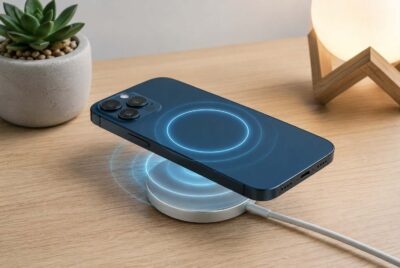
There are generally two categories that people discuss when talking about EMFs. Extremely low frequency fields are associated with power lines, electrical wiring, and household appliances. Radiofrequency fields are generated by wireless technologies such as cell phones, WiFi routers, Bluetooth devices, and communication systems.
Because cruise ships contain electrical systems and wireless communication equipment, passengers are naturally exposed to some level of EMFs throughout their trip. The important thing to remember is that cruise ships are not unique in this regard. Hotels, airports, office buildings, shopping centers, and even homes contain many of the same technologies.
Why Cruise Ships Use So Much Technology
Before looking at specific EMF sources, it helps to understand how modern cruise ships operate. Today’s vessels are far more than transportation platforms. They are complex resorts that must provide communication, entertainment, navigation, safety monitoring, and operational support for thousands of passengers and crew members.
Internet connectivity is one of the most requested amenities on cruise ships. Passengers want to check email, share photos, stream content, communicate with family members, and use cruise line apps. To make this possible, ships rely on satellite communication systems and extensive onboard WiFi networks.
Navigation systems also play an essential role. Cruise ships depend on radar, GPS, communication equipment, weather monitoring systems, and various electronic safety systems to operate efficiently and safely. These technologies are critical to maritime operations and have become standard throughout the cruise industry.
Satellite Internet Systems at Sea
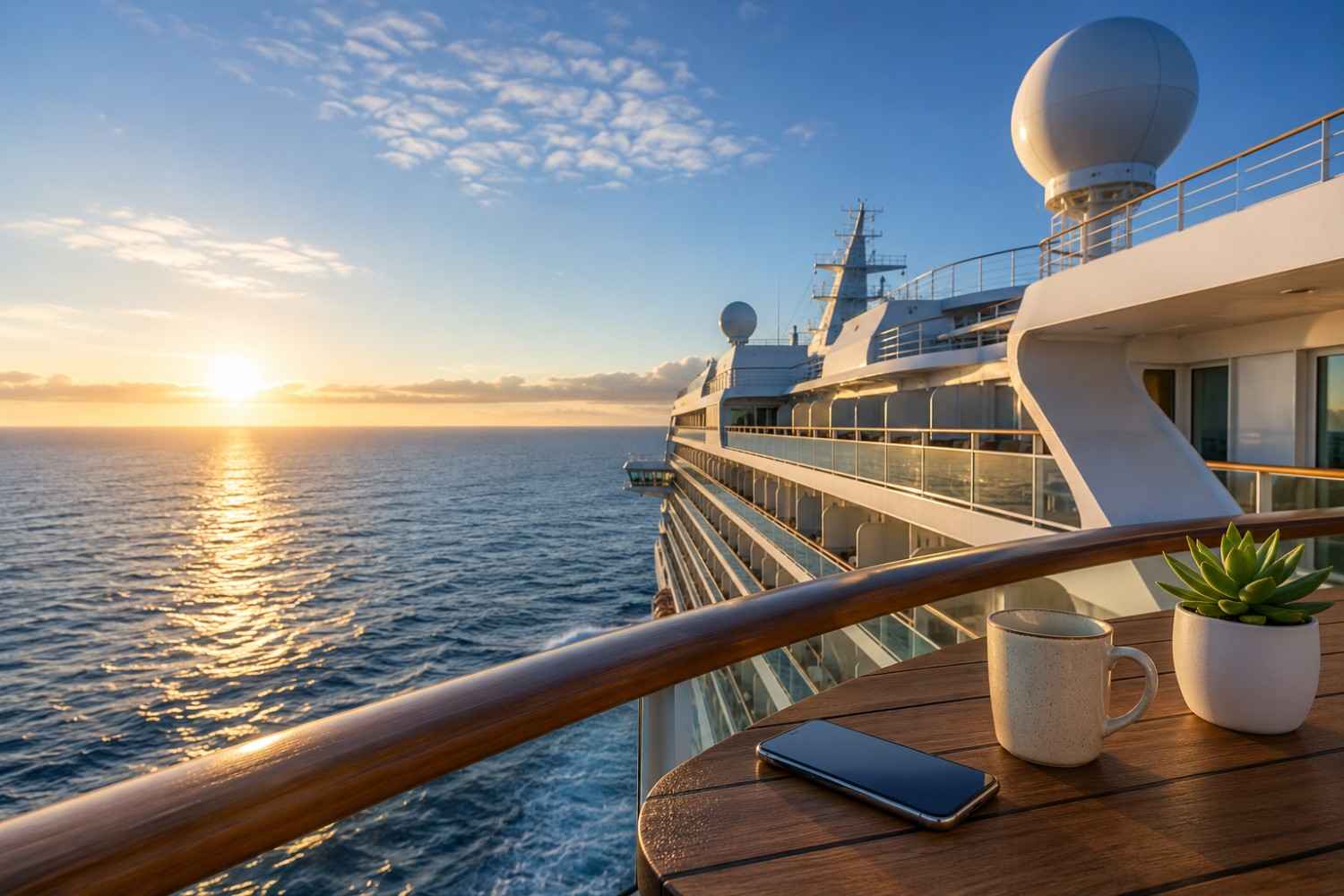
One of the most noticeable pieces of technology on a cruise ship is the large communication equipment mounted high above passenger areas. These dome-shaped structures often house satellite communication antennas.
Unlike hotels or homes that connect through land-based internet infrastructure, cruise ships must communicate with satellites orbiting above Earth. These systems provide internet access, operational communication, and data services while the vessel is far from shore.
Many travelers wonder whether satellite communication equipment creates significant exposure. In practice, the antennas are generally installed in restricted areas away from passengers. Distance is an important factor when discussing radiofrequency exposure, and cruise lines typically position transmitting equipment where direct passenger access is limited.
For most guests, exposure from personal devices and nearby wireless equipment is often a more relevant consideration than the ship’s satellite systems themselves.
WiFi Networks Throughout the Ship
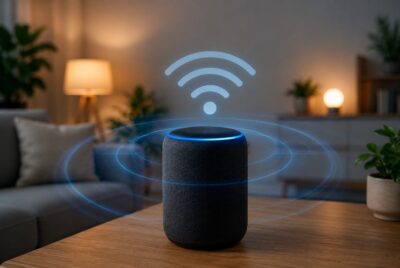
Modern cruise ships often contain hundreds of wireless access points distributed throughout the vessel. These access points help provide internet coverage in cabins, restaurants, theaters, lounges, pool areas, and public spaces.
The presence of multiple access points is not necessarily an indication of higher exposure. Cruise lines use numerous access points because each one can operate at lower power while still providing reliable coverage. This approach helps maintain connectivity for thousands of devices simultaneously.
Passengers may encounter WiFi equipment in hallways, ceilings, common areas, and occasionally near cabin locations. The exact placement varies by ship design and cruise line.
For travelers concerned about EMF exposure on cruise ships, onboard WiFi is usually one of the most discussed sources because it is active throughout much of the vessel and operates continuously during the voyage.
Cellular Systems on Cruise Ships
Once a ship moves away from shore, traditional cell towers are often no longer available. To maintain mobile phone service, many cruise ships use onboard cellular systems that connect calls and data through satellite networks.
When passengers leave their phones active, devices frequently communicate with these onboard systems. Phones may also increase transmission power when attempting to maintain a connection under certain conditions.
This is one reason many EMF-conscious travelers choose to place their phones in airplane mode whenever they do not need connectivity. Airplane mode can significantly reduce wireless transmissions from the device while still allowing access to downloaded content, photos, books, and offline entertainment.
Personal Electronics May Be the Largest Contributor
When discussing EMFs on cruise ships, it is easy to focus on ship infrastructure. However, personal electronics often contribute more to an individual’s daily exposure.
Many passengers carry smartphones throughout the day, use Bluetooth earbuds, stream videos, browse social media, send messages, and wear smartwatches. These devices remain close to the body for extended periods and often communicate wirelessly throughout the day.
On a typical cruise vacation, travelers may actually spend more time using personal devices than they do during everyday life. Sea days, poolside relaxation, and long evenings onboard can encourage additional screen time.
For this reason, reducing unnecessary device use may have a greater impact than worrying about large ship systems located elsewhere on the vessel.
Cruise Ship Navigation and Radar Systems
Passengers often notice radar arrays and other electronic equipment mounted on upper decks. These systems are essential for navigation, weather awareness, collision avoidance, and operational safety.
Marine radar helps officers monitor surrounding vessels, coastlines, weather patterns, and navigational hazards. GPS equipment provides location information, while communication systems allow ships to remain in contact with ports and support services.
Because these systems are critical to safe operation, cruise lines follow strict installation and maintenance procedures. Equipment is generally positioned in designated technical areas that limit passenger access.
Many travelers assume visible antennas automatically mean higher exposure. In reality, distance plays a major role, and most guests spend very little time near operational equipment.
How Cruise Ships Compare to Other Environments
Understanding context can be helpful when evaluating EMF exposure on cruise ships. Although cruise ships contain sophisticated communication systems, many aspects of onboard exposure are similar to what people encounter elsewhere.
A modern home may contain WiFi routers, smart televisions, streaming devices, Bluetooth accessories, tablets, smartphones, laptops, gaming systems, smart appliances, and wireless security devices.
Airports contain extensive communication infrastructure, security systems, wireless networks, and thousands of connected devices operating simultaneously.
Office buildings frequently support hundreds or thousands of wireless devices through large network systems.
Cruise ships certainly contain wireless technology, but they are not isolated examples of highly connected environments. In many ways, they reflect broader trends that exist throughout modern society.
Practical Ways to Reduce EMF Exposure During a Cruise
Many travelers are not looking to eliminate exposure entirely. Instead, they simply want practical steps that can help reduce unnecessary wireless activity without interfering with their vacation experience.
Fortunately, there are several easy adjustments that can make a difference.
Use Airplane Mode Whenever Possible
One of the simplest strategies is placing your phone in airplane mode when internet access is not needed. Many travelers spend hours walking the deck, attending shows, dining, or participating in activities where connectivity is unnecessary.
Airplane mode can reduce wireless transmissions while also extending battery life.
Download Content Before Departure
Downloading movies, books, podcasts, and music before boarding can reduce the need for continuous streaming throughout the cruise.
This allows travelers to enjoy entertainment while keeping wireless communication turned off for extended periods.
Turn Off WiFi at Night
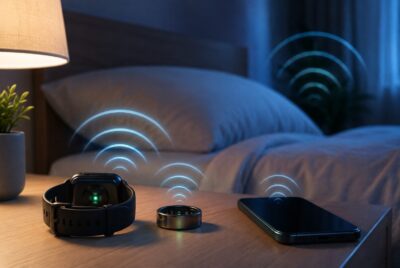
Many people leave phones connected around the clock even when sleeping. Disabling WiFi and placing devices away from the bed can reduce unnecessary overnight wireless activity.
Some travelers also choose to keep devices completely powered off while sleeping.
Spend Time Outdoors
One of the greatest advantages of cruising is access to open-air spaces. Walking the decks, relaxing by the ocean, and participating in outdoor activities naturally creates opportunities to spend less time surrounded by personal electronics.
Use Wired Accessories
Travelers who frequently use phones for calls, podcasts, or videos may prefer wired accessories rather than Bluetooth alternatives.
One popular option is the DefenderShield EMF-Free Air Tube Headphones.
Air tube headphones replace part of the wire near the ears with hollow tubes that carry sound rather than electrical signals.
Measure Your Environment
For travelers who enjoy learning about their surroundings, an EMF meter can provide useful information about wireless activity levels.
A commonly used option is the Safe and Sound Pro II RF Meter. Rather than relying on assumptions, a meter allows users to observe and compare RF activity in different locations.
Affiliate Advertisement

Should EMF-Sensitive Travelers Avoid Cruises?
This question does not have a universal answer because individual experiences vary considerably.
Some people who identify as EMF-sensitive report no issues while cruising. Others prefer taking extra precautions to manage their comfort. Factors such as cabin location, personal device usage, time spent indoors, and overall sensitivity may influence individual experiences.
For many travelers, a balanced approach works best. Reducing unnecessary wireless device use, taking advantage of outdoor spaces, using airplane mode when practical, and creating technology-free periods throughout the day can help support a more comfortable travel experience.
The goal does not need to be perfection. Small changes often provide a reasonable compromise between connectivity and personal preference.
Frequently Asked Questions About Cruise Ship EMFs
Does cruise ship WiFi produce EMFs?
Yes. Like all wireless communication systems, cruise ship WiFi networks use radiofrequency signals to transmit data.
Are cruise ship cabins higher in EMFs?
This depends on cabin location, nearby equipment, passenger device usage, and WiFi infrastructure. Conditions can vary from one ship and cabin to another.
Should I bring an EMF meter on a cruise?
Some travelers enjoy measuring and comparing environments. An EMF meter can provide data about wireless activity levels throughout different areas of the ship.
Is airplane mode useful on a cruise?
Many travelers consider airplane mode one of the easiest ways to reduce wireless transmissions from their personal devices.
Final Thoughts
Modern cruise ships rely on advanced communication systems, WiFi networks, navigation equipment, and personal electronics to create the connected vacation experience many travelers expect. While these technologies contribute to EMF exposure on cruise ships, much of that exposure comes from the same types of wireless devices people use every day at home, work, and while traveling.
For those who prefer a more cautious approach, simple strategies such as using airplane mode, limiting unnecessary screen time, choosing wired accessories, and taking advantage of outdoor deck spaces can help reduce exposure without sacrificing the enjoyment of a cruise vacation. By understanding the technology around you and making informed choices, you can focus less on worry and more on enjoying your time at sea.
Before You Go…
Get Weekly EMF Protection Tips
Enjoy this article? Join the EMFLuLu newsletter for simple weekly tips to reduce everyday EMF exposure from phones, WiFi routers, laptops, and smart home devices.
Try Our Free EMF Calculators
Curious how much EMF exposure you may experience each day?
These simple tools can help you estimate your exposure and identify possible problem areas in your home.
Try these free calculators:
Like this article? Pin it on Pinterest!

More to Explore