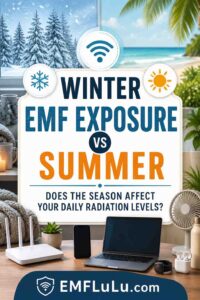
When most people think about electromagnetic fields, they usually picture the same types of exposure year-round. WiFi routers, smartphones, laptops, and smart home devices continue operating whether it is July or January. However, seasonal habits can significantly change how much time we spend around electronic devices and electrical systems. In many households, winter EMF exposure may naturally increase because people spend longer periods indoors surrounded by connected technology.
Cold weather often changes daily routines in ways that are easy to overlook. Families spend more evenings inside streaming television, using gaming systems, charging phones, and relying on electric heating appliances. Windows stay closed, smart devices remain active for longer periods, and many people spend extra time working remotely during winter storms or cold temperatures. Summer creates its own exposure patterns, especially during travel and outdoor phone use, but winter tends to concentrate electronic activity inside the home.
This does not necessarily mean winter is dangerous or that people should panic about electromagnetic fields. The goal is not fear. Instead, it is about understanding how seasonal habits may influence overall exposure levels and learning practical ways to reduce unnecessary exposure if that is important to you. Understanding winter EMF exposure can help people make informed decisions about device placement, nighttime habits, and indoor technology use throughout the colder months.
What Is EMF Exposure?
Electromagnetic fields, commonly called EMFs, are areas of energy produced by electrically powered devices and wireless communication systems. EMFs exist naturally in the environment from sources such as the sun and the earth itself, but modern technology has added many additional man-made sources into everyday life.
Inside the average home, EMFs can come from WiFi routers, smartphones, tablets, smart televisions, gaming systems, Bluetooth devices, microwave ovens, smart meters, laptops, power lines, and electrical wiring hidden behind walls. Some devices emit low-frequency EMFs generated by electricity flow, while wireless devices often emit radiofrequency radiation used for communication signals.
Most people encounter EMFs constantly throughout the day without noticing them. The amount of exposure can vary depending on proximity, duration, device strength, and the number of electronic devices operating nearby. Because modern homes are increasingly connected, many individuals are becoming more interested in understanding how daily routines affect overall exposure levels.
Seasonal changes can alter these routines dramatically. During winter, indoor electronics often become central to work, entertainment, communication, and comfort. This shift may increase the total amount of time spent near active electronic devices.
Why Winter EMF Exposure May Be Higher
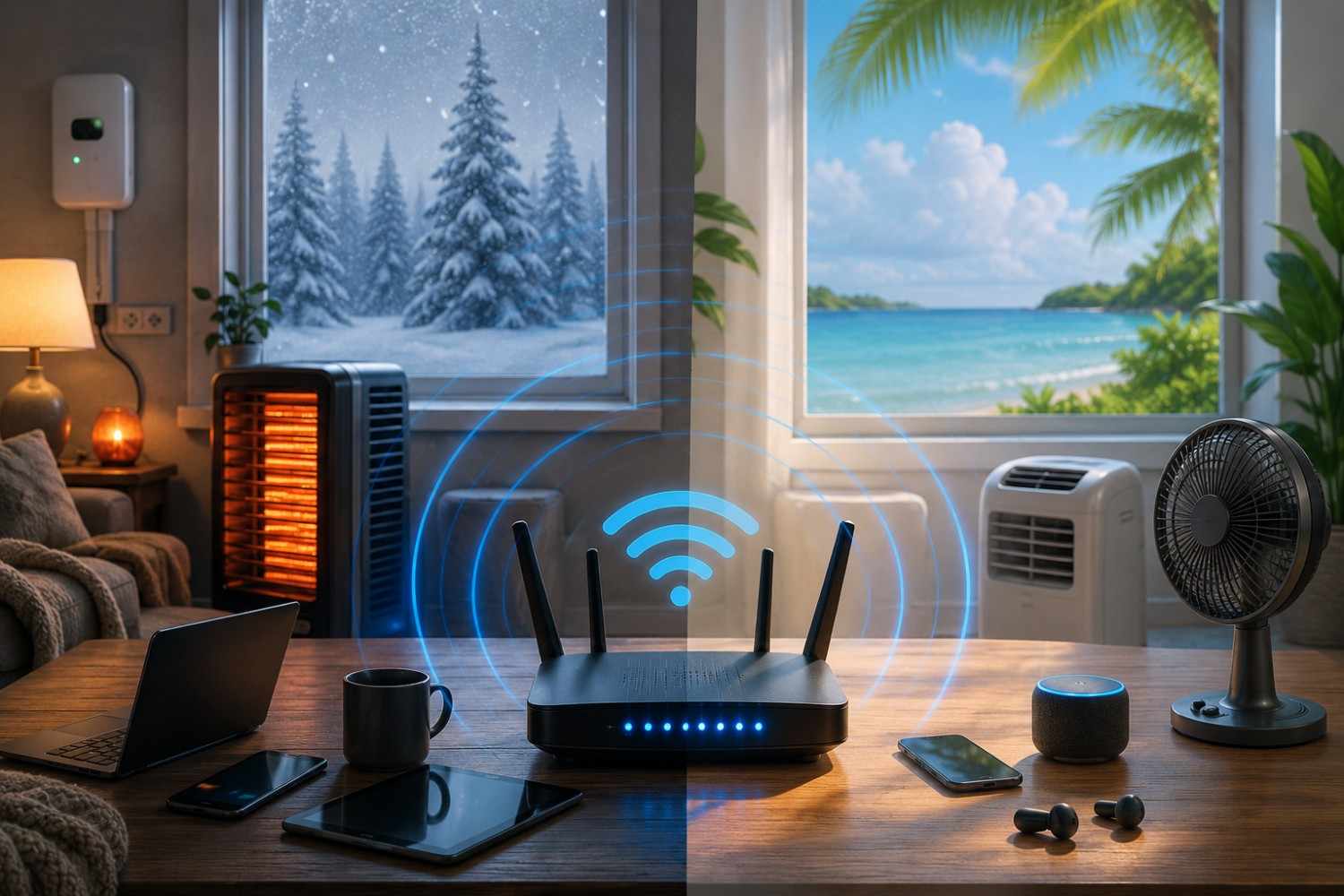
Winter changes how people interact with technology. The colder weather encourages indoor activities, and homes become packed with operating electronics for longer portions of the day. For many households, winter EMF exposure is less about a single device and more about the combined effect of multiple electronic systems operating simultaneously in enclosed spaces.
People often spend several additional hours indoors during colder months. Television streaming increases. Phones remain nearby while relaxing indoors. Children spend more time using tablets or gaming systems after school. Laptops and home office equipment may remain active throughout the evening. All of these habits can contribute to a higher level of continuous indoor exposure.
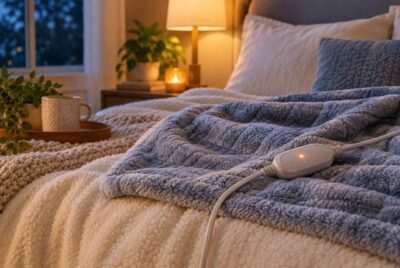
Heating systems also play a role. Electric space heaters, heated blankets, electric baseboard heaters, and HVAC systems all rely on electrical current. While exposure levels vary widely depending on the appliance and distance from the source, many people do not realize that winter heating equipment can contribute to indoor EMF environments.
Another factor is reduced ventilation and spacing. During warmer months, windows remain open more frequently, and people naturally spread out into yards, patios, parks, and outdoor areas. Winter concentrates activity into smaller indoor spaces where routers, televisions, chargers, and appliances may remain close to where people sleep or relax.
Holiday technology use can also increase exposure levels. Homes often add smart lighting systems, wireless speakers, gaming consoles, streaming devices, and additional electronics during the holiday season. Many households receive new devices as gifts, adding even more connected equipment into daily routines.
How Summer EMF Exposure Differs
Although winter often leads to heavier indoor device use, summer creates different exposure patterns that are worth understanding. Instead of concentrated indoor exposure, summer tends to involve more mobile and travel-related exposure.
Many people spend less time indoors during warm weather. Outdoor activities naturally reduce the amount of time spent sitting near routers, televisions, and desktop computers. This can lower exposure from certain household devices simply because people are physically farther away from them.
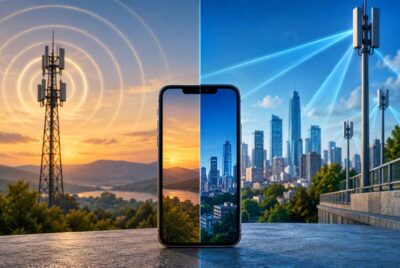
However, summer can increase dependence on mobile phones. Travel, road trips, navigation apps, outdoor streaming, and weak-signal areas may cause phones to work harder to maintain connections. Phones generally emit more radiofrequency energy when struggling to connect to distant towers, which is one reason poor signal strength often raises concerns among people interested in EMF reduction.
Summer travel also introduces additional technology exposure in airports, hotels, public transportation systems, and smart vehicles. Bluetooth earbuds, wearable fitness trackers, portable hotspots, and wireless entertainment systems become more common during vacations and outdoor activities.
Even though outdoor environments may provide some natural reduction in concentrated indoor exposure, modern summer lifestyles still involve substantial interaction with wireless technology. The overall pattern simply changes from indoor clustering to mobile connectivity.
Do Heating Devices Produce EMFs?
Many winter appliances operate using electricity, which naturally creates electromagnetic fields. The actual level of exposure depends heavily on the device design, power usage, and distance from the source.
Electric blankets and heated mattress pads are often discussed because they remain very close to the body for long periods during sleep. Space heaters and baseboard heating systems may also generate low-frequency EMFs while operating. This does not automatically mean these devices are unsafe, but it does explain why some people choose to limit prolonged close contact with certain electrical equipment.
Distance plays an important role with EMFs. Exposure levels typically decrease rapidly as you move away from the source. Even creating a small amount of additional distance between yourself and a device may significantly reduce exposure.
For people interested in measuring electrical activity inside the home, the Safe and Sound Pro II RF Meter from Safe Living Technologies is often used to monitor radiofrequency signals from wireless devices. Tools like this can help homeowners better understand where stronger signals exist inside a room rather than relying on guesswork.
Some individuals also choose to create more distance from nighttime electronics during winter months by moving routers away from bedrooms or limiting device charging near sleeping areas.
Seasonal Habits That May Reduce EMF Exposure
Many people prefer practical lifestyle adjustments instead of extreme measures. The following habits are simple, realistic, and easy to incorporate into everyday life without dramatically changing how a household functions.
One of the most effective approaches involves creating more distance from commonly used electronics. Routers do not need to sit directly beside couches, beds, or desks. Phones can remain on nearby tables rather than inside pockets whenever possible. Small changes in placement may help reduce continuous close-range exposure.
Turning off WiFi at night is another strategy some households adopt during winter. Since people spend longer hours indoors during colder months, nighttime exposure periods may naturally become longer. Disabling wireless systems while sleeping is an easy adjustment for individuals who do not require overnight internet access.
Limiting overnight charging near the bed may also help reduce unnecessary exposure. Many people sleep with phones directly under pillows or on nightstands only inches from their heads. Moving devices farther away while sleeping is a simple habit that costs nothing and may improve overall sleep comfort for some individuals.
Outdoor activity can also naturally reduce concentrated indoor exposure. Winter often encourages sedentary indoor routines, but even brief outdoor walks reduce time spent surrounded by multiple electronic systems operating simultaneously.
The Bigger Issue: Exposure Stacking
One concept that receives increasing attention is exposure stacking. This idea refers to the accumulation of multiple electronic signals and electrical systems operating together within the same environment.
A single smartphone may not concern someone very much on its own. However, a winter evening inside a modern home could involve a phone, laptop, smart television, gaming system, Bluetooth speaker, WiFi router, smart thermostat, wireless earbuds, tablet, and multiple charging devices all operating simultaneously in close proximity.
This combination creates a denser electronic environment than many people realize. Winter EMF exposure may feel higher for some households simply because indoor lifestyles naturally increase this stacking effect.
People working remotely may experience especially high levels of continuous indoor exposure during colder months. Home offices often contain multiple monitors, WiFi routers, smartphones, wireless keyboards, Bluetooth devices, and charging systems operating throughout the day.
Again, this does not automatically mean harm is occurring. The discussion surrounding EMFs continues to evolve scientifically, and opinions vary widely. Still, many individuals prefer to reduce unnecessary exposure where practical because the adjustments are often simple and inexpensive.
Affiliate Advertisement
Are Winter EMF Levels Dangerous?
The scientific discussion surrounding EMFs remains complex. Some researchers believe additional long-term study is needed regarding prolonged exposure to certain forms of electromagnetic radiation, while others point out that many common exposures remain within established safety guidelines.
Because of this uncertainty, many people choose a balanced precautionary approach rather than an extreme response. They focus on reducing avoidable exposure without eliminating technology from their lives entirely.
This balanced mindset is often the most practical. Modern technology provides major benefits in communication, convenience, entertainment, education, and work productivity. Completely avoiding electronics is unrealistic for most households. Instead, understanding how daily habits influence exposure allows people to make thoughtful decisions without unnecessary fear.
Winter creates unique indoor conditions that naturally increase contact with electronics. Awareness of those seasonal patterns may help people identify easy opportunities to reduce exposure if desired.
Conclusion
Seasonal habits can significantly influence how much time people spend around electronic devices and wireless technology. While summer often brings more travel-related and mobile exposure, winter tends to concentrate technology use indoors for longer periods each day. For many households, winter EMF exposure may increase because of extended screen time, indoor entertainment, heating systems, remote work setups, and the close proximity of multiple connected devices operating simultaneously.
The good news is that reducing unnecessary exposure usually involves practical and manageable adjustments rather than dramatic lifestyle changes. Creating distance from devices, improving nighttime habits, limiting unnecessary wireless usage, and becoming more aware of indoor technology placement can all help reduce overall exposure levels.
Understanding winter EMF exposure is ultimately about awareness, balance, and informed decision-making. Technology is part of modern life, but thoughtful habits can help people create healthier and more comfortable indoor environments throughout the colder months.
Before You Go…
Get Weekly EMF Protection Tips
Enjoy this article? Join the EMFLuLu newsletter for simple weekly tips to reduce everyday EMF exposure from phones, WiFi routers, laptops, and smart home devices.
Try Our Free EMF Calculators
Curious how much EMF exposure you may experience each day?
These simple tools can help you estimate your exposure and identify possible problem areas in your home.
Try these free calculators:
Like this article? Pin it on Pinterest!
More to Explore