Power outages are an unavoidable part of modern life. Severe thunderstorms, hurricanes, winter storms, heat waves, vehicle accidents, and aging electrical infrastructure can all interrupt the flow of electricity with little warning. While many outages last only a few minutes, others can continue for hours or even days, making preparation an important part of keeping your household safe and comfortable.
When people think about emergency preparedness, they often picture bottled water, canned food, flashlights, and extra batteries. Those supplies are certainly important, but today’s homes also rely heavily on electronic devices for communication, information, and even medical needs. Smartphones, portable battery packs, Wi-Fi equipment, and backup power systems all play a role when electricity is unavailable. This naturally leads many people to wonder about EMF during power outage situations and whether electromagnetic fields change when the electrical grid goes offline.
The encouraging news is that a power outage often reduces many of the everyday electromagnetic fields found inside a home. Household wiring is no longer energized, large appliances stop operating, and numerous electronic devices shut down automatically. At the same time, some battery-powered devices and wireless communication equipment continue operating, so it helps to understand what remains active and what does not.
This guide explains what happens to EMFs during a blackout, offers practical emergency preparedness advice, and provides balanced information to help you make informed decisions without unnecessary worry. The goal is not to eliminate every source of electromagnetic exposure but to understand where it comes from, how it changes during an outage, and how thoughtful preparation can make the experience easier for your entire family.
Why Power Outage Preparedness Matters
Few people expect the power to disappear until it actually happens. One moment your home is operating normally, and the next your lights, refrigerator, internet, and heating or cooling system stop working. Even a relatively short outage can become inconvenient, while longer outages require more planning and patience.
Power outages affect nearly every aspect of daily life. Refrigerators begin warming, frozen food starts thawing, electronic payment systems may not function, and mobile phone batteries become valuable resources rather than everyday conveniences. For families with infants, elderly relatives, or anyone who relies on electrically powered medical equipment, preparation becomes even more important.
Having a well-stocked emergency kit provides peace of mind before severe weather ever arrives. Instead of rushing to crowded stores at the last minute, you already have the essentials available when you need them most. Preparation also helps reduce stress because everyone in the household understands the plan.
Another important consideration is communication. During widespread outages, cellular networks often experience heavy traffic as thousands of people attempt to call or message loved ones at the same time. Even if your phone still has battery power, network congestion can make communication slower than usual. Having backup charging options and knowing when to conserve battery life becomes just as valuable as keeping bottled water in your pantry.
Modern homes also contain far more electronic devices than they did twenty years ago. Smart thermostats, Wi-Fi routers, security cameras, smart speakers, streaming devices, and home automation systems have become common. When electricity is interrupted, many of these devices stop functioning immediately unless they are connected to an uninterruptible power supply or another backup power source.
Understanding how these devices behave during an outage also helps answer questions about electromagnetic fields. Many people assume a blackout somehow increases EMF exposure because electrical systems become unstable. In reality, the opposite is often true. As more devices lose power, many common household EMF sources disappear until electricity is restored.
Good emergency preparedness is about understanding your home, your equipment, and your family’s needs before an emergency occurs. A little planning today can prevent unnecessary frustration later.
What Happens to EMFs During a Power Outage?
One of the most common questions people ask is whether electromagnetic fields become stronger or weaker when the electrical grid fails. The answer depends on the type of EMF and which devices continue operating during the outage.
Most homes contain several different sources of electromagnetic fields throughout the day. Electrical wiring carries alternating current through the walls, appliances draw power as they operate, wireless devices communicate continuously, and nearby utility equipment contributes to the overall electromagnetic environment.
When the electricity goes out, many of these sources simply stop functioning.
Household Electrical Wiring
Electrical wiring hidden behind your walls generates electric fields whenever it is energized. During normal operation, every outlet, switch, and branch circuit contributes to the electrical environment inside your home.
Once utility power is interrupted, those electric fields are greatly reduced because electricity is no longer flowing through the home’s wiring. Unless a backup generator or whole-house battery system immediately restores power, the wiring essentially becomes inactive until service returns.
This is one reason why many homes experience lower overall EMF levels during an outage.
Large Household Appliances
Many of the strongest magnetic fields inside a home come from appliances that use electric motors or high electrical current. Refrigerators, washing machines, dryers, dishwashers, microwave ovens, air conditioners, and HVAC systems all generate varying levels of electromagnetic fields while operating.
When a power outage occurs, these appliances stop running completely.
Without electricity, motors stop spinning, compressors shut off, and electrical current is no longer flowing through these appliances. Since magnetic fields depend on current flow, their EMF output decreases significantly or disappears altogether until power returns.
Wi-Fi Routers and Home Networks
For many households, the Wi-Fi router operates around the clock. It constantly exchanges wireless signals with smartphones, tablets, laptops, televisions, and other connected devices.
During a typical power outage, the router immediately turns off because it no longer receives electricity from the wall outlet.
When the router powers down, the wireless radio transmissions also stop. Unless the router is connected to a battery backup system or portable power station, your home’s Wi-Fi network becomes inactive.
This is another example of how EMF during power outage conditions often involve fewer active wireless signals inside the home.
Of course, your smartphone may continue using cellular data instead of Wi-Fi, which shifts communication from your home network to nearby cellular towers.
Cell Phones Continue Working
Unlike many household devices, smartphones contain their own rechargeable batteries. As long as sufficient battery power remains and nearby cellular towers continue operating, your phone can still send texts, make calls, and access the internet.
Cell phones communicate by adjusting their transmitting power based on signal strength. If nearby towers become congested or farther away due to outages affecting local infrastructure, the phone may increase its transmitting power to maintain a reliable connection.
This doesn’t necessarily create unusually high exposure, but it does illustrate why your phone remains one of the primary active wireless devices during a blackout.
One simple way to reduce unnecessary battery drain is enabling Airplane Mode whenever you do not need to communicate. This not only conserves battery life but also temporarily disables the wireless transmitters until you turn them back on.
Smart Meters
Many homeowners wonder whether their smart electric meter continues transmitting after the electricity goes out.
The answer depends on the utility company and the specific meter model.
Some smart meters contain internal batteries or capacitors that allow limited communication during outages. Others may stop transmitting until electrical service is restored.
Because smart meter technology varies from one utility provider to another, there is no single answer that applies everywhere. If you are curious about your home’s equipment, your local utility company can usually explain how its meters function during extended outages.
For most homeowners, however, the smart meter represents only one small part of the overall electromagnetic environment.
Portable Power Stations
Portable battery power stations have become increasingly popular for emergency preparedness. These units provide electricity for phones, laptops, lighting, small appliances, and medical equipment without the noise or fuel requirements of gasoline generators.
When operating, portable power stations generate some electromagnetic fields, primarily around their internal electronics and power inverter. Fortunately, EMF levels typically decrease rapidly as you move farther away from the unit.
A practical approach is simply placing the power station several feet from areas where people spend extended periods of time. For example, instead of placing it directly beside your chair or bed, position it on a nearby table or another part of the room where it remains accessible while creating additional distance.
For many households, a portable power station offers an excellent balance between convenience, quiet operation, and emergency readiness.
Solar Generators
Solar generators function much like portable power stations but can also recharge using portable solar panels.
These systems contain batteries, charging electronics, and inverters that convert stored energy into household electricity. Like other powered equipment, they produce measurable electromagnetic fields close to the unit itself.
The good news is that simple placement makes a meaningful difference. Keeping the generator a reasonable distance from sleeping or sitting areas allows you to enjoy its benefits while limiting unnecessary close-range exposure.
Solar generators also offer another advantage during extended outages. If sunlight is available, they can continue producing usable electricity long after disposable batteries have been exhausted.
Building an Emergency Kit with EMF Considerations
Every emergency kit should be built around one simple goal: helping your family remain safe, comfortable, and informed until normal services return. While discussions about EMFs sometimes focus heavily on electronic devices, it is important to remember that the fundamentals of emergency preparedness come first. Clean water, food, lighting, first aid supplies, and reliable communication are far more important during an outage than attempting to eliminate every possible source of electromagnetic exposure.
Once those essentials are covered, you can think about how your electronic equipment fits into your emergency plan. Battery-powered devices can provide tremendous value during a blackout, and using them thoughtfully can help balance convenience with any personal preferences you may have regarding EMF exposure.
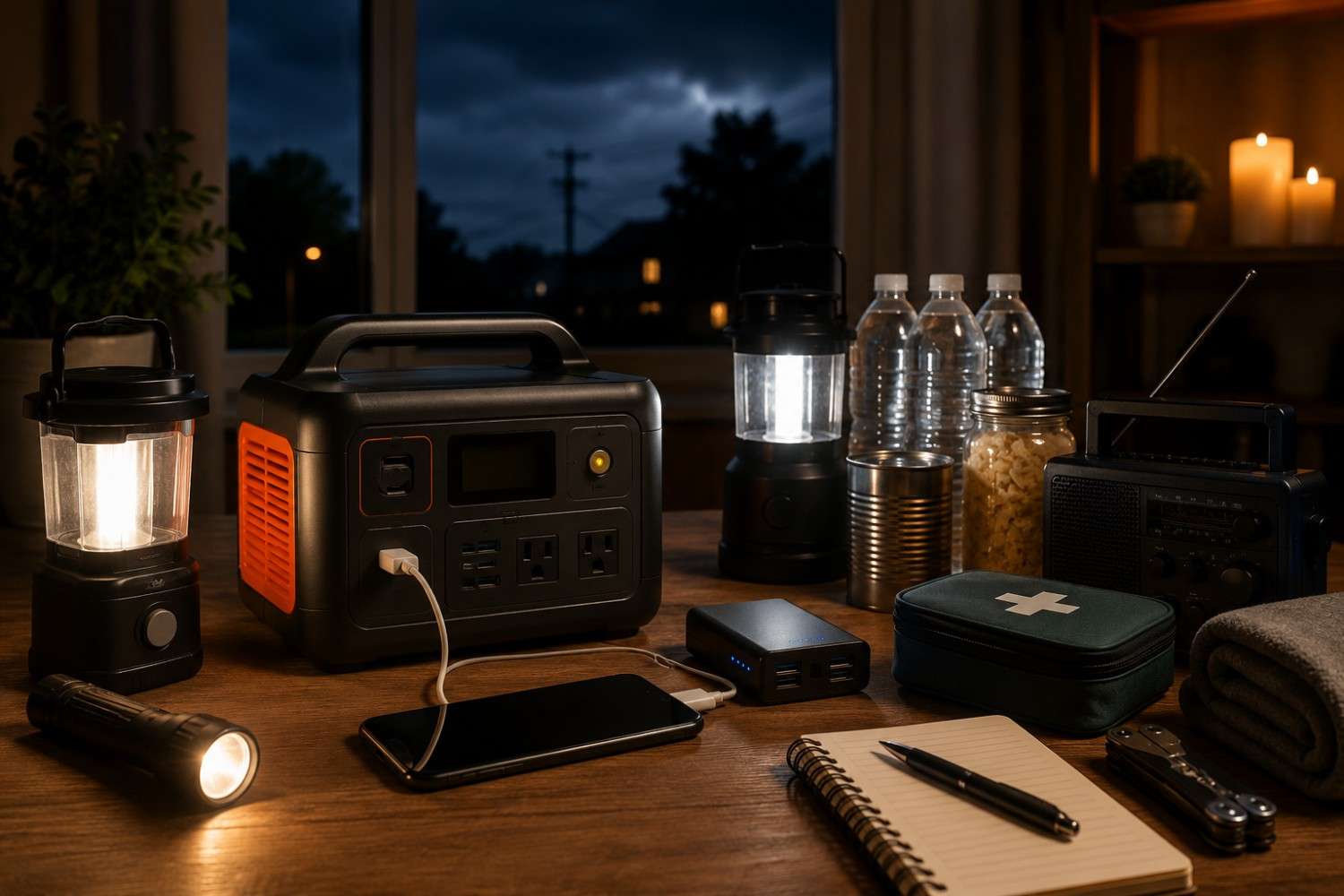
A well-rounded emergency kit should include items such as:
- Bottled water and non-perishable food for several days
- Manual can opener
- Flashlights for each family member
- Extra batteries
- First aid kit
- Prescription medications
- Printed emergency contact information
- Cash in small bills
- Warm blankets or sleeping bags
- Multi-tool
- Battery-powered or hand-crank NOAA weather radio
- Fully charged portable power bank
- Phone charging cables
- Spare eyeglasses or contact lens supplies if needed
- Personal hygiene items
If you rely on battery-powered electronics, make it a habit to inspect your emergency kit at least twice a year. Recharge power banks, replace expired batteries, verify medications are current, and make sure everyone knows where supplies are stored. A few minutes of maintenance once or twice each year can prevent unpleasant surprises during an actual emergency.
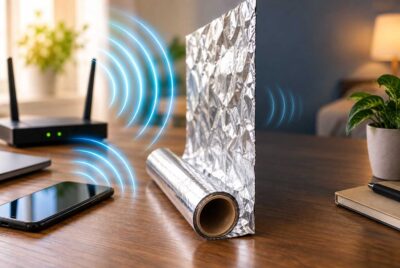
One accessory that some people like to include is the DefenderShield Faraday Bag.
A Faraday bag is designed to block wireless signals from reaching compatible electronic devices while they are stored inside. Although it is not an essential item for every emergency kit, some individuals appreciate having one available for storing spare phones, key fobs, or other electronics when wireless communication is not needed. If you choose to include one, become familiar with how it works before an emergency rather than waiting until you need it.
Remember that every item in your emergency kit should serve a clear purpose. Practicality should always guide your decisions.
Charging Devices Wisely During an Outage
One of the fastest ways to create unnecessary stress during a prolonged outage is allowing your phone battery to drain too quickly. For many families, smartphones become the primary source of weather updates, emergency alerts, maps, communication, and news. Preserving battery life should become a priority shortly after the power goes out.
Fortunately, extending battery life usually requires only a handful of simple adjustments. None of these steps are difficult, and together they can dramatically increase the amount of time your device remains usable.
Consider these practical habits:
- Lower your screen brightness.
- Close apps running in the background.
- Turn off Bluetooth when it is not needed.
- Disable Wi-Fi if your home router is offline.
- Enable Airplane Mode whenever communication is unnecessary.
- Download maps before severe weather arrives.
- Avoid streaming video or other battery-intensive activities.
- Charge devices before they reach critically low battery levels.
Another smart habit is deciding which devices truly need power. During an emergency, charging a smartphone that provides weather alerts and emergency communication is usually much more valuable than charging a tablet used primarily for entertainment.
If multiple family members share one portable power station, establish a charging schedule so everyone has access to essential battery power.
One highly respected option for emergency charging is the Anker Power Bank (link to Amazon.com).
Anker has earned a strong reputation for producing dependable portable battery packs in a variety of capacities. Choosing the right size depends on how many devices you expect to charge and how long you want backup power to last between recharging opportunities.
Planning ahead is equally important. During hurricane season or before a forecast winter storm, fully charge every power bank, rechargeable flashlight, and portable battery pack in your home. This simple routine provides valuable peace of mind should the power unexpectedly fail.
Backup Power Options and EMF Considerations
Backup power has improved tremendously over the past decade. Homeowners now have more choices than ever before, ranging from traditional gasoline generators to quiet portable battery systems that can safely operate indoors.
Each solution offers unique strengths, and selecting the best option depends on your family’s needs, budget, and expected outage duration.
Gasoline Generators
Gasoline-powered generators remain one of the most powerful backup options available for residential use. Larger models can operate refrigerators, freezers, sump pumps, furnaces, and even portions of an entire home when installed correctly.
The primary advantage of a gasoline generator is its ability to provide significant electrical output for extended periods, assuming fuel remains available.
There are also important safety considerations.
Generators must always operate outdoors and well away from windows, doors, or garages because they produce carbon monoxide, an odorless gas that can be deadly indoors. Proper placement and ventilation are absolutely essential.
From an EMF perspective, generators create electromagnetic fields while producing electricity. Fortunately, these fields decrease quickly with distance. Since generators should already be located outside and away from occupied living spaces, maintaining additional distance is usually straightforward.
The greater safety concern is carbon monoxide rather than electromagnetic fields.
Portable Power Stations
Portable power stations have become one of the fastest-growing categories in emergency preparedness, and for good reason.
Unlike gasoline generators, these battery-powered systems operate quietly, produce no exhaust fumes, and can safely be used indoors. They require very little maintenance and are ready to use with the push of a button.
They are especially useful for powering:
- Smartphones
- Tablets
- Laptop computers
- LED lighting
- Small fans
- CPAP machines (depending on power requirements)
- Internet equipment
- Small medical devices
One of the industry’s best-known products is the Jackery Explorer Portable Power Station (link to Amazon.com).
Jackery offers several models with different battery capacities, allowing homeowners to choose a system that matches their expected emergency power needs.
Because portable power stations contain internal batteries and electronic inverters, they do generate some EMFs while operating. Like most electrical equipment, those fields become much lower as distance increases. Placing the unit a few feet away rather than directly beside where someone spends hours sitting or sleeping is a simple, practical approach.
Many homeowners appreciate the combination of quiet operation, portability, and ease of use that these systems provide.
Affiliate Advertisement

Solar Generators
Solar generators build upon the advantages of portable battery stations by allowing batteries to recharge using sunlight.
For extended outages lasting several days, this capability can become extremely valuable. As long as weather conditions permit, solar panels can replenish stored energy without requiring gasoline deliveries or additional fuel storage.
These systems are particularly attractive for homeowners interested in long-term emergency preparedness because they operate silently and require relatively little maintenance.
Like any inverter-based electrical equipment, solar generators produce electromagnetic fields while converting battery power into usable household electricity. The fields are generally strongest very close to the equipment itself and diminish rapidly with additional distance.
Rather than worrying excessively about this, most people simply position the generator in an area where it remains easy to access while avoiding unnecessary close contact for long periods.
That practical approach aligns well with many general recommendations for everyday electrical appliances.
Whole-Home Battery Systems
Some homeowners invest in permanently installed battery storage systems that automatically supply electricity whenever utility power fails.
These systems are often paired with rooftop solar panels, although they can also charge directly from the electrical grid.
The greatest advantage is convenience. When an outage occurs, many homeowners notice little interruption because lights, refrigerators, and other selected circuits continue operating automatically.
Since these systems are permanently installed, they are usually located in garages, utility rooms, or other dedicated equipment spaces. This naturally creates separation from bedrooms and living areas where people spend most of their time.
Although these systems involve a larger financial investment than portable power stations, they may be worth considering for households that experience frequent or prolonged outages.
Choosing the Right Backup Power Solution
There is no single backup power option that works best for everyone. Your decision should reflect your household’s priorities, expected outage duration, available budget, and the equipment you need to keep running.
For some families, a compact portable battery pack capable of charging phones for several days is all that is necessary. Others may require enough electricity to support medical equipment, refrigeration, or home office technology.
When comparing different options, look beyond the advertised battery capacity. Consider ease of operation, charging speed, portability, warranty coverage, and long-term reliability. Investing in dependable equipment often proves worthwhile when an emergency eventually occurs.
Whatever system you choose, remember that preparation is more valuable than perfection. Having a reliable backup plan in place provides confidence long before severe weather appears in the forecast.
Sleeping During a Power Outage
Nighttime often feels like the most challenging part of a prolonged power outage. Without familiar lighting, heating or air conditioning, and the usual background sounds of everyday life, many people find it more difficult to relax and fall asleep. Fortunately, a little planning can make overnight hours much more comfortable.
One positive aspect of a blackout is that many sources of artificial light disappear. Streetlights, televisions, computer monitors, and other household electronics may all be off, creating a naturally darker sleeping environment. Many people find this darkness surprisingly peaceful, especially after spending much of the day around bright screens and indoor lighting.
Temperature, however, can become a greater concern. During summer outages, bedrooms may become warm and humid without air conditioning. In colder months, indoor temperatures may gradually decline if the heating system is unavailable. Keeping extra blankets, lightweight clothing, or battery-powered fans in your emergency kit allows you to adapt to changing conditions.
If you are using portable battery packs or a power station overnight, consider placing them a reasonable distance from your bed rather than directly on a nightstand next to your pillow. This approach not only creates a more organized sleeping area but also follows the simple principle of maintaining distance from operating electrical equipment whenever practical.
Some people also prefer to silence unnecessary phone notifications before bedtime. If severe weather has passed and emergency alerts are no longer expected, reducing overnight interruptions can make it easier to get quality rest while still conserving battery life.
A flashlight within easy reach is another small but valuable preparation. Instead of relying on your phone every time you need light, a dedicated flashlight preserves battery life and provides immediate illumination if you need to move around safely during the night.
Practical Tips for Families
Every household has different needs, but the best emergency plans share one thing in common: they are simple enough for everyone to remember.
A written plan removes much of the uncertainty that often accompanies an unexpected blackout. Children know where flashlights are stored, adults understand who will check on neighbors or relatives, and everyone knows how to communicate if mobile service becomes unreliable.
The following ideas can help strengthen your family’s overall preparedness:
- Store emergency supplies in one easily accessible location.
- Recharge power banks every few months, even if they have not been used.
- Keep a battery-powered NOAA weather radio available for severe weather updates.
- Print important phone numbers in case mobile devices become unavailable.
- Review your emergency plan with family members at least once or twice each year.
- Test flashlights, lanterns, and backup batteries before storm season begins.
- Know how to manually operate garage doors if electrical openers lose power.
- Keep several charging cables available for different electronic devices.
- If someone depends on electrically powered medical equipment, discuss backup plans with healthcare providers well before an emergency occurs.
Preparedness is not something you accomplish once and forget. Instead, it becomes an ongoing habit of occasionally checking supplies, replacing expired items, and making small improvements over time.
Many people are surprised by how much confidence comes from simply knowing they are ready for unexpected situations.
Final Thoughts
Power outages are rarely convenient, but they do not have to become overwhelming. A little planning before severe weather arrives can make a significant difference in your family’s comfort, safety, and peace of mind.
Understanding what happens to household electronics during an outage also helps answer many common questions about electromagnetic fields. In many cases, everyday household EMFs actually decrease when utility power is interrupted because electrical wiring and major appliances are no longer operating. At the same time, battery-powered devices, portable power stations, and cell phones may continue functioning, making it useful to understand how they fit into your emergency plan.
Rather than focusing on eliminating every possible source of electromagnetic exposure, concentrate on practical preparedness. Keep emergency supplies organized, maintain reliable backup power, conserve battery life when appropriate, and become familiar with the equipment you already own before an emergency occurs.
Learning about EMF during power outage situations is simply one part of building a thoughtful emergency preparedness plan. By combining sound safety practices with a balanced understanding of how modern electronics behave during blackouts, you can approach future outages with greater confidence and less uncertainty.
Whether the next outage lasts a few minutes or several days, preparation today can help make tomorrow’s unexpected challenges much easier to manage.
Before You Go…
Get Weekly EMF Protection Tips
Enjoy this article? Join the EMFLuLu newsletter for simple weekly tips to reduce everyday EMF exposure from phones, WiFi routers, laptops, and smart home devices.
Try Our Free EMF Calculators
Curious how much EMF exposure you may experience each day?
These simple tools can help you estimate your exposure and identify possible problem areas in your home.
Try these free calculators:
Like this article? Pin it on Pinterest!
More to Explore