Ceiling fans are one of the most common household appliances found in bedrooms across the world. Many people sleep with one running every night to stay cool, improve airflow, and reduce the need for air conditioning. At the same time, growing awareness about electromagnetic fields has caused some homeowners to wonder whether ceiling fan EMF exposure is something they should pay attention to. Questions about EMF from everyday appliances continue to increase, especially when those devices are located close to the body for long periods of time.
The concern usually comes down to one simple question: is sleeping under a ceiling fan safe? Since ceiling fans use electricity and contain electric motors, they do produce electromagnetic fields. Still, that does not automatically mean they are dangerous. Understanding how EMF works, how much exposure a ceiling fan may create, and how that exposure compares to other devices in your home can help put the issue into perspective.
In this article, we’ll take a detailed look at ceiling fan EMF levels, what science currently says about low-frequency EMF exposure, whether sleeping directly beneath a ceiling fan is considered risky, and practical ways to reduce exposure if you prefer a more cautious approach.
What Is EMF?
EMF stands for electromagnetic field. These fields are generated whenever electricity flows through wires or electronic devices. EMFs are extremely common in modern life and are produced by countless household items including refrigerators, televisions, WiFi routers, smartphones, microwaves, power lines, and ceiling fans.
There are two broad categories of EMF. The first is ionizing radiation, which includes things like X-rays and gamma rays. Ionizing radiation has enough energy to remove electrons from atoms and is generally considered more concerning from a health standpoint.
The second category is non-ionizing radiation. This includes the low-frequency EMFs produced by household electrical systems and appliances. Ceiling fans fall into this category. Non-ionizing EMF is much lower in energy than ionizing radiation and is the type most people discuss when talking about home EMF exposure.
When it comes to ceiling fans, the EMF produced is typically classified as extremely low frequency (ELF) EMF. This type of field is created mainly by the electric motor and the electrical wiring supplying power to the fan.
One important thing to understand is that EMF strength weakens rapidly with distance. Even moving a few feet farther from a source can significantly lower exposure levels. That principle plays a major role when discussing whether sleeping under a ceiling fan creates meaningful exposure.
Do Ceiling Fans Produce EMF?
Yes, ceiling fans do produce EMF. Any electrically powered appliance with a motor generates some level of electromagnetic field. The motor inside the ceiling fan requires electricity to operate, and that electrical activity creates magnetic and electric fields around the appliance.
The amount of EMF varies depending on several factors. Fan size, motor design, age, wiring quality, speed setting, and distance from the motor all influence the readings. Older fans sometimes generate stronger fields due to less efficient motors or outdated wiring systems. Some newer fans, especially energy-efficient DC motor fans, may produce lower EMF levels than traditional AC motor designs.
Smart ceiling fans can introduce another variable. Some modern fans include WiFi or Bluetooth connectivity for remote control through apps or smart home systems. In these cases, the fan may also emit radiofrequency (RF) radiation in addition to low-frequency EMF. The RF levels are often relatively low, but they can still contribute to overall household exposure.
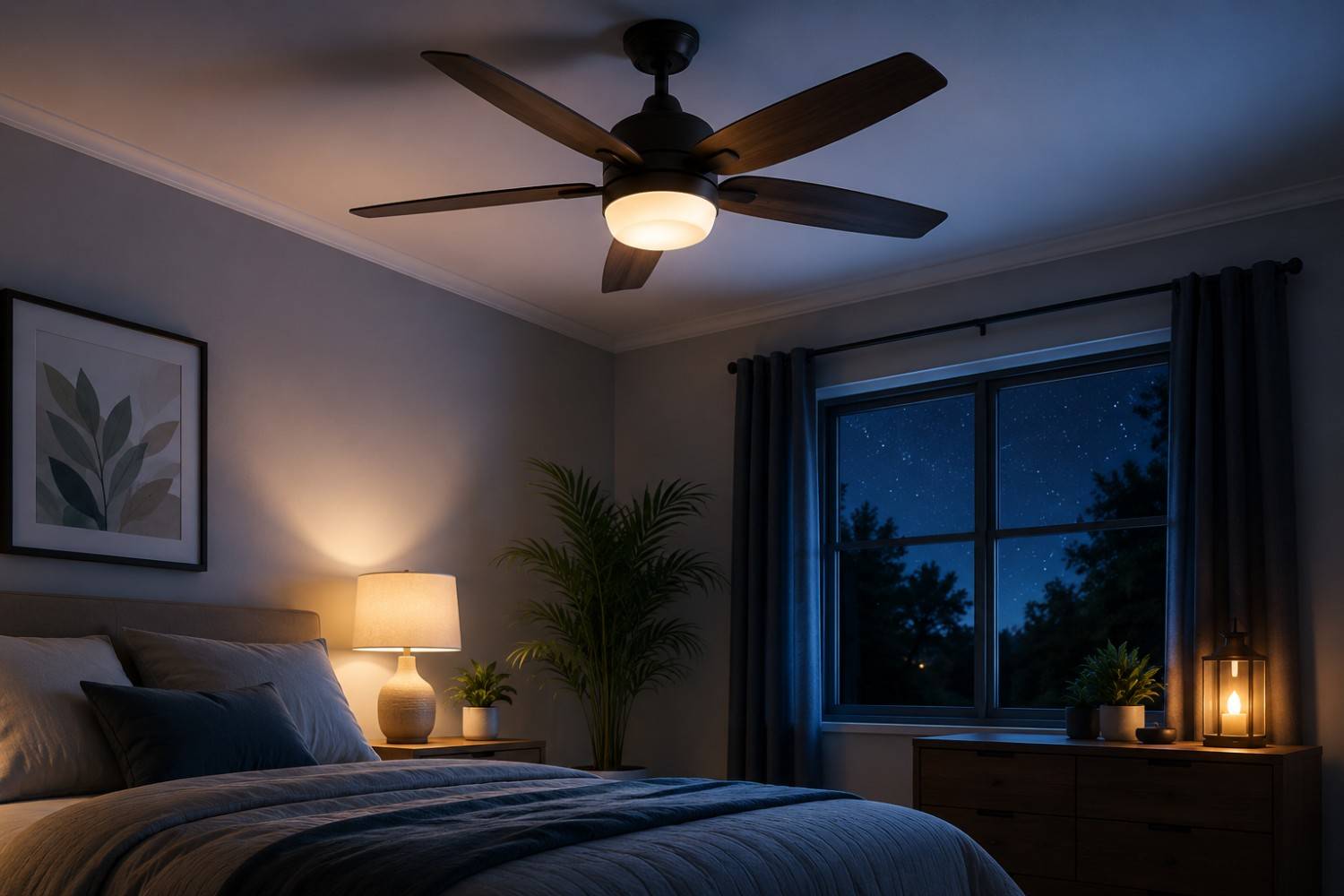
In most ceiling fans, the strongest EMF readings are usually found very close to the motor housing itself. Since the fan is mounted on the ceiling, the actual distance between the motor and the sleeper matters quite a bit. A high ceiling naturally increases the distance between the person and the EMF source.
How Strong Is Ceiling Fan EMF?
Many people are surprised to learn that ceiling fan EMF levels are often much lower than those produced by certain other household appliances. Devices like hair dryers, microwave ovens, induction cooktops, and electric blankets can sometimes generate significantly stronger magnetic fields at close range.
That does not mean ceiling fan exposure is zero. It simply means context matters.
The strength of ceiling fan EMF exposure depends largely on how close your body is to the motor. If the fan is mounted on an eight-foot ceiling and your bed is several feet below, your exposure may already be much lower than readings taken directly at the motor housing.
Fan speed can also play a role. Higher speeds may increase electrical current slightly, which can affect EMF levels. Still, the difference is often moderate rather than dramatic.
People interested in measuring their own environment sometimes use EMF meters to evaluate appliances throughout the home. A commonly used option is the TriField TF2 EMF Meter, available on Safe Living Technologies. Another popular choice is the Safe and Sound Pro II RF Meter also available from Safe Living Technologies.
Using a meter can help homeowners compare readings from different areas of the house rather than relying entirely on assumptions. In some cases, people discover that other devices in the bedroom produce more measurable EMF than the ceiling fan itself.
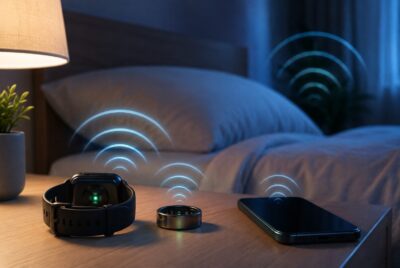
For example, smartphones sitting next to pillows, WiFi routers placed near beds, smart watches, wireless chargers, and electric blankets may contribute more exposure during sleep than the fan overhead.
Is Sleeping Under a Ceiling Fan Safe?
For most people, sleeping under a ceiling fan is generally considered safe based on current scientific understanding of low-frequency EMF exposure. There is currently no clear scientific consensus showing that normal residential ceiling fan use causes health problems.
At the same time, some individuals prefer to minimize unnecessary EMF exposure where possible. Bedrooms receive particular attention because people spend many continuous hours there every night. Even small exposures can feel more important when they occur repeatedly over long periods.
The discussion around EMF often includes two different viewpoints.
The first viewpoint is the mainstream scientific position. Many researchers and public health organizations state that low-level household EMF exposure from appliances falls within accepted safety guidelines. From this perspective, a standard ceiling fan used normally in a residential setting is unlikely to present a major concern.
The second viewpoint follows a precautionary approach. Some people believe it makes sense to reduce unnecessary exposure when practical, even if definitive proof of harm is lacking. This group often focuses on reducing cumulative exposure from multiple devices rather than fearing a single appliance.
There are also individuals who report EMF sensitivity symptoms around electrical devices. These symptoms can include headaches, fatigue, difficulty sleeping, or brain fog. Scientific studies on EMF sensitivity remain mixed, and researchers continue to debate the relationship between symptoms and actual EMF exposure levels.
Still, many homeowners choose simple low-cost precautions because they are easy to implement and provide peace of mind.
Factors That May Increase Ceiling Fan EMF Exposure
Not every bedroom setup creates the same exposure conditions. Several factors can potentially increase EMF levels around a sleeping area.
One important factor is bed placement. If the bed sits directly underneath a low-mounted ceiling fan, the sleeper may be closer to the motor than someone sleeping farther off-center.
Older homes can also contribute to higher EMF readings if wiring is outdated or improperly grounded. Electrical problems sometimes create stray magnetic fields that extend beyond the appliance itself.
Smart ceiling fans with wireless connectivity may introduce additional RF exposure from WiFi or Bluetooth signals. While the levels are often relatively low, some individuals trying to minimize overall exposure prefer wired or non-smart appliances whenever possible.
Metal bed frames can sometimes interact with nearby electromagnetic fields as well. This does not necessarily mean the bed becomes dangerous, but certain configurations may influence how fields travel through the sleeping area.
Another consideration is the overall EMF environment of the room. In some bedrooms, the ceiling fan may not be the primary source at all. Nearby breaker panels, extension cords under beds, smart home hubs, wireless alarm clocks, and charging stations can sometimes contribute more significantly to total exposure.
Practical Ways to Reduce Ceiling Fan EMF
For readers who want to reduce exposure without becoming overly worried about the issue, several practical steps may help. These suggestions are generally simple and inexpensive.
One of the easiest approaches is increasing distance. Because EMF levels decrease rapidly with space, moving the bed slightly away from directly beneath the fan motor may lower exposure naturally. Even modest changes in positioning can make a measurable difference.
Reducing unnecessary wireless signals in the bedroom can also help lower overall exposure. If your ceiling fan includes smart features that you rarely use, disabling WiFi or Bluetooth functions may reduce RF emissions in the room.
Some homeowners choose to run fans at moderate rather than maximum speed settings. While the difference in EMF may not always be dramatic, it can slightly reduce electrical demand on the motor.
If your home has older electrical wiring, having a qualified electrician inspect the system can sometimes identify grounding or wiring issues that contribute to elevated EMF readings.
Many people also focus on reducing larger and more direct exposure sources first. Keeping phones away from the pillow, unplugging unnecessary electronics at night, and relocating WiFi routers away from bedrooms may have a greater impact than focusing solely on the ceiling fan.
Affiliate Advertisement

How Ceiling Fans Compare to Other Household EMF Sources
One reason ceiling fan EMF may not deserve as much fear as some online discussions suggest is that many homes already contain numerous stronger or more direct EMF sources.
Smartphones are frequently held directly against the head or carried in pockets throughout the day. WiFi routers may operate continuously around the clock. Laptops often sit directly on the lap. Bluetooth earbuds place wireless transmitters very close to the body.
Meanwhile, ceiling fans are typically mounted several feet away from the sleeper and do not involve direct physical contact.
Electric blankets are another useful comparison. Since the electrical wiring runs directly through the blanket touching the body, some people concerned about EMF choose to avoid them before worrying about ceiling fans.
This does not mean ceiling fan EMF should be ignored completely. It simply helps provide perspective. Looking at the entire household environment often gives a more accurate picture than isolating a single appliance.
Should You Stop Sleeping Under a Ceiling Fan?
For most households, there is probably little reason to panic about sleeping under a ceiling fan. Current evidence does not clearly indicate that normal exposure from standard residential fans creates major health risks.
That said, personal comfort matters. Some individuals feel better taking small precautionary measures, especially in bedrooms where they spend many hours every night. Since many exposure-reduction strategies are easy and inexpensive, some homeowners see little downside in implementing them.
A balanced approach usually works best. Rather than becoming fearful of every electrical appliance, it may be more practical to focus on overall awareness and reasonable habits.
Reducing unnecessary wireless devices near the bed, improving bedroom ventilation naturally, using grounded wiring, and increasing distance from major electronics can all help create a lower-EMF sleeping environment without requiring dramatic lifestyle changes.
Conclusion
Ceiling fans do emit electromagnetic fields because they rely on electricity and electric motors to operate. In most cases, however, ceiling fan EMF exposure is relatively low compared to many other household devices people use daily. Current scientific evidence does not clearly show that sleeping under a standard ceiling fan is dangerous for most individuals.
For readers who still prefer a more cautious approach, simple steps like increasing distance from the fan motor, reducing nearby wireless devices, and improving bedroom electrical setup can help lower overall exposure levels. Understanding ceiling fan EMF in a calm and informed way allows homeowners to make practical decisions without unnecessary fear or confusion.
Before You Go…
Get Weekly EMF Protection Tips
Enjoy this article? Join the EMFLuLu newsletter for simple weekly tips to reduce everyday EMF exposure from phones, WiFi routers, laptops, and smart home devices.
Try Our Free EMF Calculators
Curious how much EMF exposure you may experience each day?
These simple tools can help you estimate your exposure and identify possible problem areas in your home.
Try these free calculators:
Like this article? Pin it on Pinterest!

More to Explore