For many people, the bedroom is a place to relax, recharge, and get quality sleep after a busy day. Yet modern bedrooms often contain more technology than ever before. Smartphones, tablets, smart speakers, wireless chargers, smart watches, Wi-Fi connections, and other electronics have become part of everyday life. While these devices offer convenience, some individuals prefer to reduce unnecessary electronic exposure in areas where they spend several uninterrupted hours every night.
Creating an EMF conscious bedroom does not require expensive renovations or a complete lifestyle overhaul. In most cases, it involves making thoughtful choices about device placement, wireless technology, and bedroom organization. The goal is not to create fear around technology but rather to create a sleep environment that feels calm, comfortable, and intentional.
In this guide, we will explore practical ways to build an EMF conscious bedroom, identify common sources of electromagnetic fields in the sleeping area, and discuss simple changes that may help you create a more relaxing sleep environment.
What Is an EMF Conscious Bedroom?
An EMF conscious bedroom is a sleeping environment where unnecessary sources of electromagnetic fields are minimized whenever practical. This approach typically focuses on reducing wireless devices near the bed, limiting overnight electronic activity, and creating a sleep-friendly atmosphere.
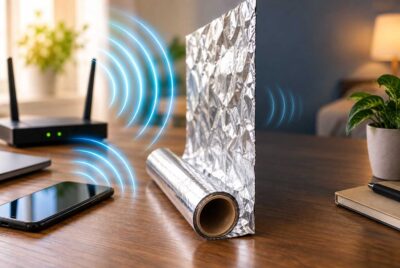
Electromagnetic fields, commonly called EMFs, are generated by many household devices. Wi-Fi routers, cell phones, tablets, smart home equipment, and electrical wiring all produce some level of EMF. Since people spend approximately one-third of their lives sleeping, many wellness-minded individuals choose to pay closer attention to their bedroom environment than other areas of the home.
An EMF-conscious approach is often less about eliminating every possible source and more about reducing avoidable exposures while maintaining convenience and functionality.
Why Many People Focus on the Bedroom
Before discussing specific improvements, it helps to understand why the bedroom receives so much attention when discussing EMFs.
Unlike a kitchen, office, or living room, the bedroom is a place where people typically remain in one location for six to eight hours each night. During that time, devices may continue transmitting wireless signals, charging batteries, downloading updates, or maintaining network connections.
Many people also find that reducing electronic clutter helps create a calmer atmosphere. Even if EMFs are not their primary concern, moving devices away from the bed can encourage healthier sleep habits by reducing late-night scrolling, notifications, and interruptions.
The bedroom is often one of the easiest places in the home to make meaningful changes because the improvements tend to be simple and inexpensive.
Common Sources of EMFs in the Bedroom
Before making adjustments, it helps to identify what devices are actually present in the room.
Many people are surprised to discover how many electronics are located within a few feet of where they sleep. Smartphones often sit on nightstands while charging overnight. Smart watches continue syncing through Bluetooth. Tablets remain connected to Wi-Fi. Smart speakers listen for voice commands, and wireless routers may be located in nearby rooms.
Some of the most common sources include:
- Smartphones
- Tablets
- Smart watches
- Wireless earbuds
- Wi-Fi routers
- Smart speakers
- Wireless charging pads
- Smart televisions
- Laptop computers
- Smart home hubs
Identifying these devices gives you a starting point for making practical improvements.
Step 1: Create a Device-Free Sleeping Zone
One of the simplest ways to build an EMF conscious bedroom is to establish a device-free zone around the bed.
Many people sleep with their phones directly beside their pillow or on the nightstand within arm’s reach. While convenient, this placement also encourages checking notifications, emails, and social media before falling asleep and immediately upon waking.
A better approach is to move phones several feet away from the bed or place them on a dresser across the room. If the phone is being used solely as an alarm clock, consider replacing it with a dedicated alarm clock.
Using a separate alarm clock removes the need to keep a smartphone near your pillow and can help support healthier bedtime routines.
Step 2: Use Airplane Mode When Appropriate
Many people overlook one of the easiest adjustments available on nearly every smartphone.
Airplane mode disables cellular transmissions and can also disable Wi-Fi and Bluetooth depending on device settings. If you do not need to receive calls or notifications overnight, enabling airplane mode before bed is a simple habit that takes only seconds.
Some individuals prefer to leave emergency contacts able to reach them, while others are comfortable disconnecting completely during sleeping hours. The best choice depends on your personal circumstances and comfort level.
The key is being intentional about how devices are used during the night rather than leaving every wireless connection active by default.
Step 3: Move Charging Stations Away from the Bed
Charging areas often become magnets for electronic clutter.
Phones, tablets, smart watches, earbuds, and portable batteries frequently accumulate on nightstands, creating a concentration of electronics near the sleeping area.
A useful strategy is to establish a dedicated charging station elsewhere in the room. A dresser, desk, or hallway charging shelf can serve as a central location for devices while keeping them away from the bed.
This simple change offers several benefits. It reduces nighttime distractions, encourages better sleep habits, and helps maintain a cleaner and more organized bedroom.
For families, centralized charging stations can also help create household technology boundaries that support healthier screen-time habits.
Step 4: Evaluate Your Smart Devices
Smart home technology has become increasingly common in bedrooms.
Voice assistants can control lighting, answer questions, and play music. Smart televisions stream content instantly. Smart bulbs connect to wireless networks, and smart displays provide weather updates and calendar information.
These devices may offer valuable convenience, but it is worth evaluating whether every device truly needs to be located in the bedroom.
Ask yourself a few questions:
- Does this device improve my sleep environment?
- Do I use it regularly?
- Could it be relocated to another room?
- Would a simpler alternative accomplish the same goal?
Sometimes the best improvement is simply removing devices that are rarely used.
Step 5: Consider the Location of Your Wi-Fi Router
The placement of your Wi-Fi router can influence the amount of wireless activity near sleeping areas.
Many homes place routers wherever the internet connection enters the building, which sometimes means a router ends up near a bedroom wall or directly inside a bedroom.
If possible, consider relocating the router to a more central area of the home that is farther away from sleeping spaces.
Another option is using a timer that automatically turns off power to the router during sleeping hours.
One commonly used option is the BN-LINK Indoor Timer Outlet (link to Amazon.com).
This allows the router to shut off automatically overnight and restart in the morning without requiring daily attention.
Step 6: Measure Before Making Major Changes
Many people appreciate having actual data before making significant adjustments.
EMF meters can help identify unexpected sources of electromagnetic fields and provide a better understanding of the home environment. Instead of guessing, measurements can reveal where devices are located and how different changes affect readings.
One popular option is the TriField TF2 EMF Meter.
An EMF meter can be particularly useful for homeowners who enjoy testing and learning rather than relying solely on assumptions.
Step 7: Reduce Bedroom Clutter
Although clutter is not an EMF source, it can significantly influence how a room feels.
Many wellness experts recommend creating a bedroom that promotes relaxation rather than stimulation. Excess electronics, tangled cords, stacks of devices, and visual clutter can make a room feel busy and distracting.
When building an EMF conscious bedroom, consider simplifying the space by:
- Organizing cords
- Removing unused electronics
- Limiting decorative technology
- Creating clear surfaces around the bed
- Keeping essential items accessible
A cleaner environment often supports a more restful atmosphere.
Step 8: Improve Your Overall Sleep Environment
An effective bedroom strategy extends beyond EMFs alone.
The following factors often have a significant impact on sleep quality and should be considered alongside any EMF-conscious improvements.
Lighting – Reducing bright light exposure before bedtime can help support natural sleep cycles. Warm lighting in the evening is often preferred over bright blue-white lighting.
Temperature – Most people sleep best in a cooler environment. Experimenting with bedroom temperature may provide noticeable improvements in comfort.
Noise – Reducing unwanted noise can contribute to a more peaceful sleep environment. Fans, sound machines, and soft background noise may be helpful depending on personal preference.
Air Quality – Fresh air, proper ventilation, and clean bedding can all contribute to a more comfortable sleeping space.
When combined with thoughtful technology use, these improvements can create a bedroom that feels significantly more relaxing.
Affiliate Advertisement

Common Mistakes to Avoid
People interested in EMF awareness sometimes make the process more complicated than necessary.
One common mistake is attempting to eliminate every possible EMF source immediately. Modern life includes technology, and perfection is rarely practical.
Another mistake is purchasing large numbers of products before evaluating actual needs. Simple changes such as moving devices away from the bed, using airplane mode, and improving bedroom organization often provide a logical starting point.
It is also important to remember that sleep habits matter. Reducing screen time before bed, maintaining a consistent bedtime schedule, and creating a comfortable sleeping environment may have a meaningful impact on overall sleep quality.
Finally, be cautious about dramatic marketing claims. Research products carefully and focus on practical solutions supported by transparent information.
Simple EMF Conscious Bedroom Checklist
If you are looking for a straightforward starting point, this checklist can help guide your efforts.
Before making major purchases or significant changes, consider whether you have completed these basic steps:
- Move phones away from the pillow area
- Use airplane mode when practical
- Relocate charging stations away from the bed
- Evaluate smart devices in the bedroom
- Organize electronic clutter
- Consider router placement
- Improve overall sleep conditions
- Measure with an EMF meter if desired
These adjustments can be completed gradually over time and often require little financial investment.
Conclusion
Building an EMF conscious bedroom does not require perfection or expensive equipment. In many cases, the most effective improvements involve simple changes such as moving electronics away from the bed, reducing overnight wireless activity, organizing charging stations, and creating a calmer sleep environment. By taking a thoughtful and practical approach, you can create a bedroom that supports both comfort and peace of mind while reducing unnecessary distractions from technology.
Before You Go…
Get Weekly EMF Protection Tips
Enjoy this article? Join the EMFLuLu newsletter for simple weekly tips to reduce everyday EMF exposure from phones, WiFi routers, laptops, and smart home devices.
Try Our Free EMF Calculators
Curious how much EMF exposure you may experience each day?
These simple tools can help you estimate your exposure and identify possible problem areas in your home.
Try these free calculators:
Like this article? Pin it on Pinterest!


More to Explore