Welcoming a new baby into your life is exciting – and a little overwhelming. Between decorating the nursery and making sure everything is safe and cozy, there’s one invisible threat that often goes unnoticed: electromagnetic field (EMF) radiation. If you’ve found yourself searching for how to reduce EMF in baby room, you’re not alone. More and more parents are becoming aware of the potential risks that EMFs pose, especially to newborns and toddlers.
This guide is designed to help you reduce EMF in your baby’s room through practical, research-backed steps. Whether you’re a new parent or simply curious, you’ll learn how to identify hidden EMF sources, make smarter device choices, and create a safer, more restful space for your little one.
Why Babies Are More Sensitive to EMFs
Before we dive into the solutions, it’s important to understand why reducing EMF in a baby room is such a concern. Babies’ brains and bodies are rapidly developing. Their skulls are thinner, their nervous systems are still forming, and they sleep for long stretches – making them more vulnerable to prolonged exposure to EMF radiation.
While definitive long-term studies are still in progress, organizations such as the BioInitiative Report and the American Academy of Pediatrics have called for a precautionary approach when it comes to children’s EMF exposure. In other words, if we can reduce it, we should.
This is particularly important in rooms where children spend most of their time sleeping – like a nursery.
How to EMF-Proof a Nursery: Safe, Simple, and Smart
Now that we’ve established why this matters, let’s focus on how to do it. If you’re wondering how to reduce EMF in baby room without tearing down walls or hiring an electrician, the good news is: you absolutely can. Below are simple, step-by-step recommendations you can implement right away.
-
Choose the Right Location for the Nursery
If you’re still in the planning phase of setting up your baby’s room, you’re in a great position to reduce EMF exposure from the start.
Here’s what to consider before choosing a room:
- Stay away from walls that share space with smart meters, circuit breakers, or WiFi routers. These devices emit high levels of EMF, especially when they are always on.
- Avoid placing the nursery directly above a garage or laundry room, where heavy appliances like water heaters or washers may create a constant electromagnetic load.
- Use an EMF meter to test the room before setting up. These inexpensive devices allow you to scan for strong EMF hotspots and reposition furniture or electronics accordingly.
Even if your nursery is already set up, doing a quick scan can reveal surprising problem areas you can address with simple adjustments.
-
Eliminate or Replace Wireless Devices
Wireless technology is one of the biggest sources of EMF in modern homes. Baby monitors, smart toys, Bluetooth sound machines, and even your cell phone can emit radiofrequency (RF) radiation.
Instead of going wireless, try this:
- Use wired baby monitors with long-range cords. They may seem old-school, but they are significantly safer than WiFi or Bluetooth models.
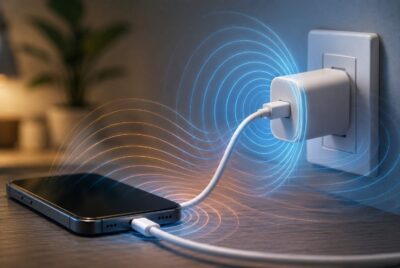
- Avoid placing your smartphone near the crib, especially if it’s charging overnight. If you must use your phone in the room, keep it in airplane mode.
- Remove Bluetooth-enabled gadgets (like sleep soothers or temperature monitors) and replace them with analog or battery-operated versions.
By eliminating wireless devices in the nursery, you drastically reduce one of the most common EMF exposure sources.
-
Turn Off WiFi at Night
This is one of the easiest, most effective changes you can make – even outside the nursery.
Wireless routers constantly emit radiofrequency radiation, whether they’re being used or not. Your baby may be sleeping just one wall away from a signal pulsing 24/7.
Try these tips:
- Unplug the router at night, or use a timer outlet to automate shut-off during sleeping hours.
- Move the router to the opposite side of the house from the nursery if possible.
- If you must keep WiFi on, invest in a low-radiation router or at least install a WiFi shield box around your existing unit.
Turning off WiFi is not only safer – it may also help everyone in the house sleep better.
-
Use Shielding Materials Wisely
If you’ve done what you can to reduce EMF but are still concerned about exposure, shielding products can add an extra layer of protection. But beware: improper use can actually trap EMFs inside a room.
Here’s how to approach shielding carefully and safely:
Before diving into the list, it’s important to know that shielding should never be your first line of defense – it should be a complement to reducing EMF at the source. Always test with a quality EMF meter before investing in or installing shielding materials.
Effective shielding options include:
- EMF-blocking curtains: These are lined with silver or copper threads and can help block radiation from nearby cell towers or neighbors’ WiFi.
- EMF canopy for cribs: Specially designed canopies can surround your baby’s sleeping area in a mesh that blocks EMF without restricting airflow.
- EMF paint: A paint containing conductive materials (like graphite) that blocks certain EMF frequencies. Best used on walls facing high-EMF areas like smart meters.
Use shielding with professional guidance or after proper meter testing to avoid overdoing it. More is not always better – sometimes shielding without addressing sources can increase internal EMF reflection.
-
Mind the Crib Placement
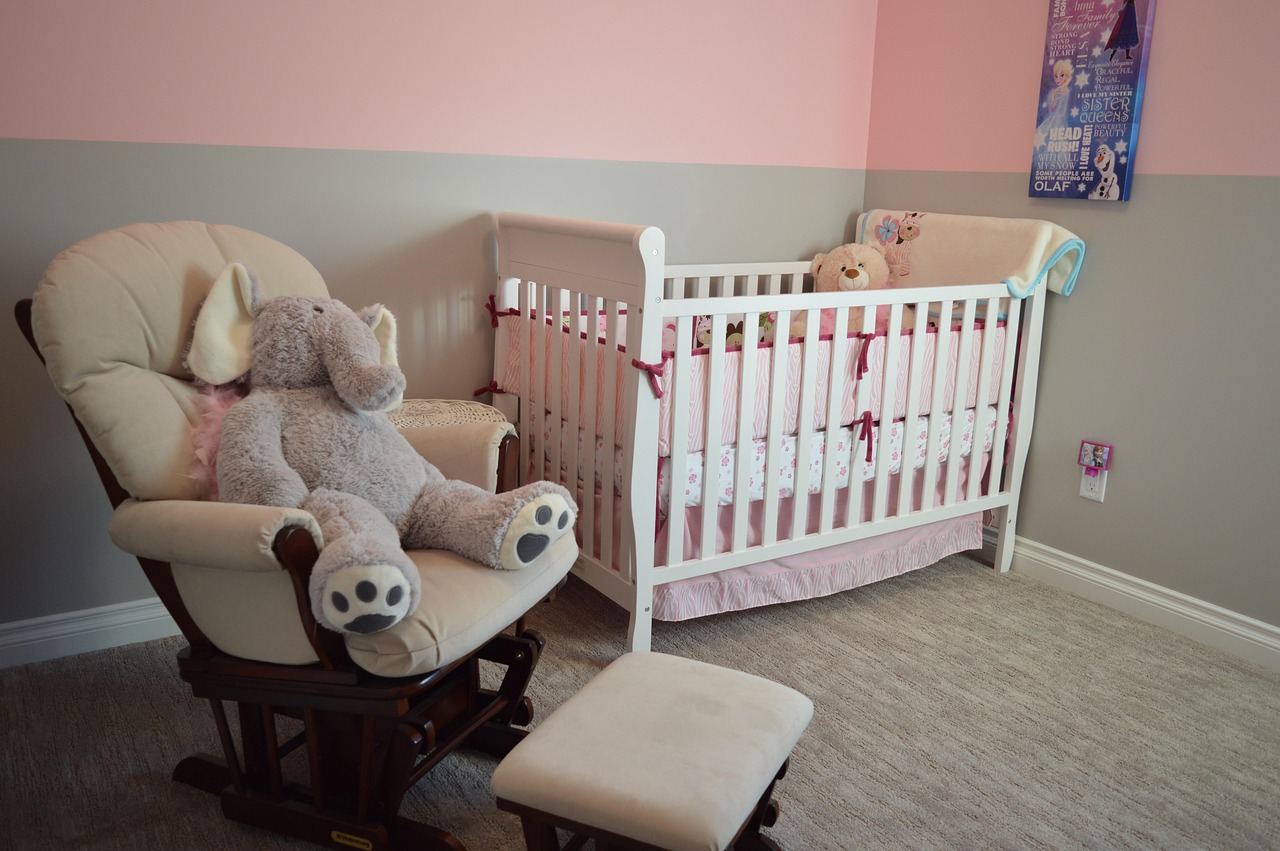
One of the simplest and most overlooked steps in EMF reduction is crib positioning. The wrong wall—or even wrong corner—can make a big difference.
General crib placement tips:
- Keep cribs at least 3-5 feet away from walls with active electrical outlets or cords.
- Don’t place the crib next to a wall that backs a kitchen, office, or entertainment center.
- Avoid placing the crib under or above rooms with heavy electronics (TVs, routers, computers, laundry machines).
If you only do one thing from this list, optimizing crib placement can significantly reduce your baby’s EMF exposure.
Affiliate Advertisement

Safer Alternatives for Baby Monitors and Devices
Parents love baby monitors, white noise machines, and soothing night lights – but many of these are wireless and emit EMFs. Luckily, safer options do exist.
Here are a few EMF-safe alternatives you can feel good about using:
- Audio-only wired baby monitors – no WiFi, no video streaming.
- Battery-operated night lights – preferably with warm LED colors.
- Mechanical sound machines – plug-in or battery options that don’t rely on Bluetooth.
- Crib toys without electronics – remove anything with WiFi/Bluetooth tags.
As a rule, go low-tech whenever you can – you’ll save energy, reduce EMF, and potentially lower stress levels (for both baby and parents).
How to Monitor EMF Levels in the Nursery Over Time
Reducing EMF isn’t a one-time task – it’s an ongoing habit. Electronics and new appliances introduced to the house can change the nursery’s EMF environment. Luckily, it’s easy to stay on top of things.
Use these tips to stay proactive:
- Purchase an affordable EMF meter (under $200) to check the nursery monthly.
- Do a full room scan after setting up new electronics, plugging in baby gadgets, or rearranging furniture.
- Consider a once-a-year consultation with an EMF specialist if you live in a high-density apartment building or near cell towers.
Awareness is your best defense. The more you know, the safer your baby’s environment can be.
Affiliate Advertisement
Daily Habits to Keep the Nursery EMF-Safe
Even if you’ve followed the steps above, maintaining a low-EMF room means building the right habits.
Here are a few simple, ongoing habits to keep in mind:
- Turn off unused electronics in and around the nursery before bedtime.
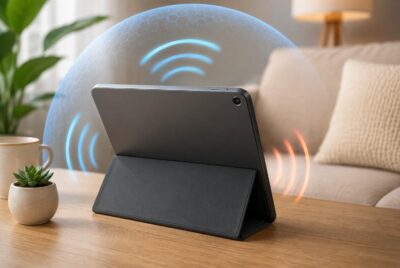
- Avoid charging phones or tablets in the baby’s room, especially overnight.
- Teach older siblings and family members to keep devices away from the crib or play area.
- Close the nursery door at night to reduce stray WiFi signals from other rooms.
These small, everyday habits will reinforce your long-term goal of creating an EMF-safe space for your child.
Conclusion
As a parent, you do everything you can to protect your baby. Taking the extra step to learn how to reduce EMF in baby room is a proactive and caring choice. While EMF radiation may be invisible, the peace of mind that comes from creating a low-EMF nursery is something you and your family can feel every day.
From unplugging WiFi at night to choosing the right crib location, even the smallest changes can make a big difference in your baby’s health and development. The goal isn’t perfection – it’s awareness, consistency, and intentional choices.
Before You Go…
Get Weekly EMF Protection Tips
Enjoy this article? Join the EMFLuLu newsletter for simple weekly tips to reduce everyday EMF exposure from phones, WiFi routers, laptops, and smart home devices.
Try Our Free EMF Calculators
Curious how much EMF exposure you may experience each day?
These simple tools can help you estimate your exposure and identify possible problem areas in your home.
Try these free calculators:
Like this article? Pin it on Pinterest!

More to Explore