If you’ve ever wondered how to reduce EMF exposure at night naturally, you’re not alone. Many people are becoming more aware of the invisible signals surrounding their homes, especially during sleep when the body is supposed to rest and recover. While EMF exposure is part of modern life, nighttime is unique because it represents several uninterrupted hours in the same environment, often with devices close to the body.
The good news is that reducing unnecessary exposure does not require expensive equipment or major lifestyle changes. In fact, some of the most effective strategies are simple habits that cost nothing and can be implemented immediately. By making a few small adjustments to your nightly routine, you can create a more relaxed and lower-exposure sleep environment without overcomplicating things.
In this article, you’ll learn exactly how to reduce EMF exposure at night naturally using practical, free methods, along with a few optional upgrades if you decide to take things a step further.
Why Nighttime EMF Exposure Matters
Before jumping into solutions, it helps to understand why nighttime exposure is worth paying attention to. During the day, your exposure to electromagnetic fields tends to vary as you move from place to place. At night, however, your body remains in one location for six to eight hours or more, often within close proximity to multiple devices.
Your body also shifts into a recovery state during sleep. This is when processes like hormone regulation, cellular repair, and brain recovery take place. While research continues to evolve, many people prefer to reduce unnecessary environmental inputs during this period simply because it is the longest continuous stretch of exposure in a controlled setting.
Another important factor is proximity. A phone placed inches from your head or a router sitting a few feet from your bed creates a different situation than passing exposure during the day. The goal is not to eliminate technology completely, but rather to reduce avoidable exposure while you sleep.
The Biggest EMF Sources in Your Bedroom
Most bedrooms today contain more electronic devices than people realize. Even if you are not actively using them, these devices can still emit low levels of electromagnetic fields, especially when powered or connected wirelessly.
Understanding where exposure typically comes from is the first step toward reducing it. In many cases, small adjustments can significantly lower your overall exposure without removing anything essential from your daily life.
Common sources include smartphones placed near the pillow, WiFi routers operating overnight, charging cables plugged in close to the bed, Bluetooth-enabled devices such as watches or headphones, and smart home devices that remain connected around the clock. Each of these contributes a small amount, but together they can create a concentrated environment near your sleeping area.
By identifying these sources, you can begin to make targeted changes rather than guessing what might be contributing to your exposure.
Simple Nighttime Routine to Reduce EMF Exposure
Creating a consistent nighttime routine is one of the easiest ways to lower exposure without needing to think about it each night. The goal is to build a few simple habits that become automatic over time, allowing you to reduce EMF exposure without disrupting your lifestyle.
Below is a practical routine that focuses entirely on free methods, with optional upgrades if you choose to enhance your setup later.
Move Your Phone Away From Your Bed
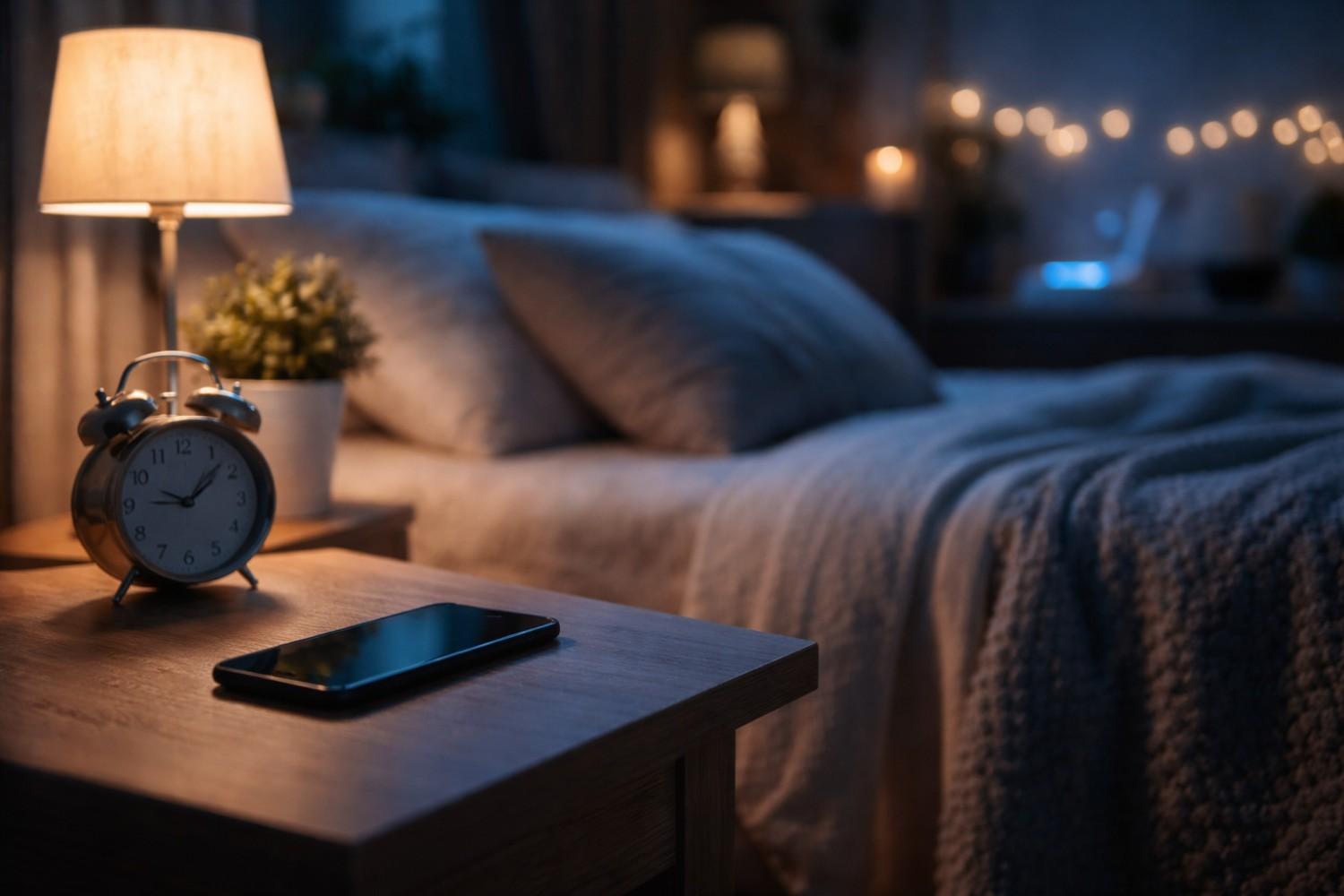
One of the most effective changes you can make is also one of the simplest. Many people sleep with their phone on a nightstand or even under their pillow. Moving your phone just a few feet away can significantly reduce close-range exposure during the night.
If you use your phone as an alarm, consider placing it across the room. This not only reduces proximity but can also help you wake up more naturally by requiring you to get out of bed to turn it off.
For those who prefer additional protection while still using their phone regularly, the DefenderShield EMF Radiation Protection Phone Case can be an option to explore.
Turn Off WiFi at Night
Turning off your WiFi router before bed is one of the highest-impact steps you can take. Since you are not actively using the internet while sleeping, keeping the router on overnight often serves no real purpose.
Many routers allow you to set a timer, which makes this process automatic. If not, manually turning it off takes only a few seconds and can quickly become part of your routine.
Affiliate Advertisement

Avoid Charging Devices Near Your Bed
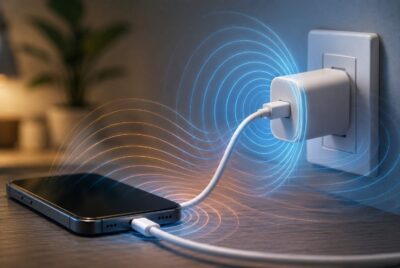
Charging cables and power adapters can emit low levels of EMF when plugged in, even if the device is not actively in use. Keeping charging stations away from your sleeping area helps reduce unnecessary exposure.
A simple solution is to designate a charging area across the room or in another part of the house. This keeps powered electronics at a distance while still allowing you to charge devices overnight.
Use Airplane Mode When Possible
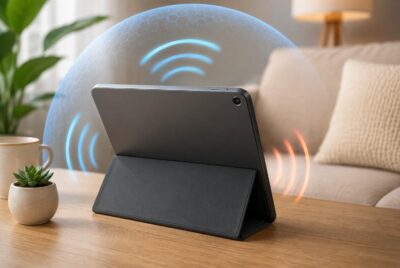
Switching devices to airplane mode is a quick and effective way to stop wireless communication signals. This is especially useful for phones and tablets that you may still want nearby for alarm or emergency use.
Airplane mode disables cellular, WiFi, and Bluetooth signals while allowing the device to function for offline tasks. It takes only a few seconds to activate and can make a noticeable difference in your immediate environment.
Create a Low-EMF Sleep Zone
Your sleeping area should ideally be the lowest-exposure zone in your home. This does not mean removing all electronics, but rather creating space between you and the devices that are not essential during sleep.
Try to keep electronics at least several feet away from your bed. Even small changes in distance can reduce exposure levels. Clearing unnecessary devices from your nightstand is a simple place to start.
Choose Wired Over Wireless When Possible
Whenever practical, using wired alternatives can help reduce reliance on wireless signals. For example, a basic wired alarm clock can replace a phone alarm, and wired headphones can replace Bluetooth devices for evening use.
This does not require a complete shift in how you use technology, but rather a gradual preference for wired options in situations where it makes sense.
Affiliate Advertisement

What You Don’t Need to Do
It’s easy to feel overwhelmed when learning about EMF, especially with the amount of information available online. However, reducing exposure does not require extreme measures or major lifestyle changes.
You do not need to remove all electronics from your home or eliminate every source of EMF. You also do not need to spend large amounts of money on products to make meaningful improvements. In fact, many of the most effective steps are completely free and take only a few minutes to implement.
The goal is to reduce unnecessary exposure in a practical and sustainable way. Even small changes, when done consistently, can make a meaningful difference over time.
Optional Upgrades for Extra Protection
Once you have established a solid routine using free methods, you may choose to explore additional tools that can help further reduce exposure. These are not required, but they can complement the habits you have already built.
For example, some people choose to use shielding products designed for specific situations. The DefenderShield EMF Protection Blanket is one option that can be used while resting or relaxing.
For those who want to measure their environment directly, the TriField EMF Meter Model TF2 can provide insight into different types of EMF in your home.
These tools can be helpful for those who want to take a more detailed approach, but they are not necessary to start reducing exposure effectively.
Putting It All Together: A Simple Nightly Routine
To make everything practical, it helps to think of these steps as a short routine rather than individual actions. A simple nightly flow might include turning off your WiFi before bed, placing your phone across the room, switching it to airplane mode, and ensuring that no devices are charging near your bed.
This entire process can take less than two minutes once it becomes a habit. Over time, these small actions add up and create a more consistent low-exposure environment during sleep.
Conclusion
Learning how to reduce EMF exposure at night naturally does not have to be complicated or expensive. By focusing on simple habits like creating distance from devices, turning off WiFi, and minimizing unnecessary electronics near your bed, you can take meaningful steps toward lowering your exposure while you sleep.
The key is consistency rather than perfection. You do not need to change everything overnight. Even implementing one or two of these strategies can make a noticeable difference over time. As these habits become part of your routine, you may find that creating a lower-EMF sleep environment feels both simple and sustainable.
Before You Go…
Get Weekly EMF Protection Tips
Enjoy this article? Join the EMFLuLu newsletter for simple weekly tips to reduce everyday EMF exposure from phones, WiFi routers, laptops, and smart home devices.
Try Our Free EMF Calculators
Curious how much EMF exposure you may experience each day?
These simple tools can help you estimate your exposure and identify possible problem areas in your home.
Try these free calculators:
Like this article? Pin it on Pinterest!

More to Explore