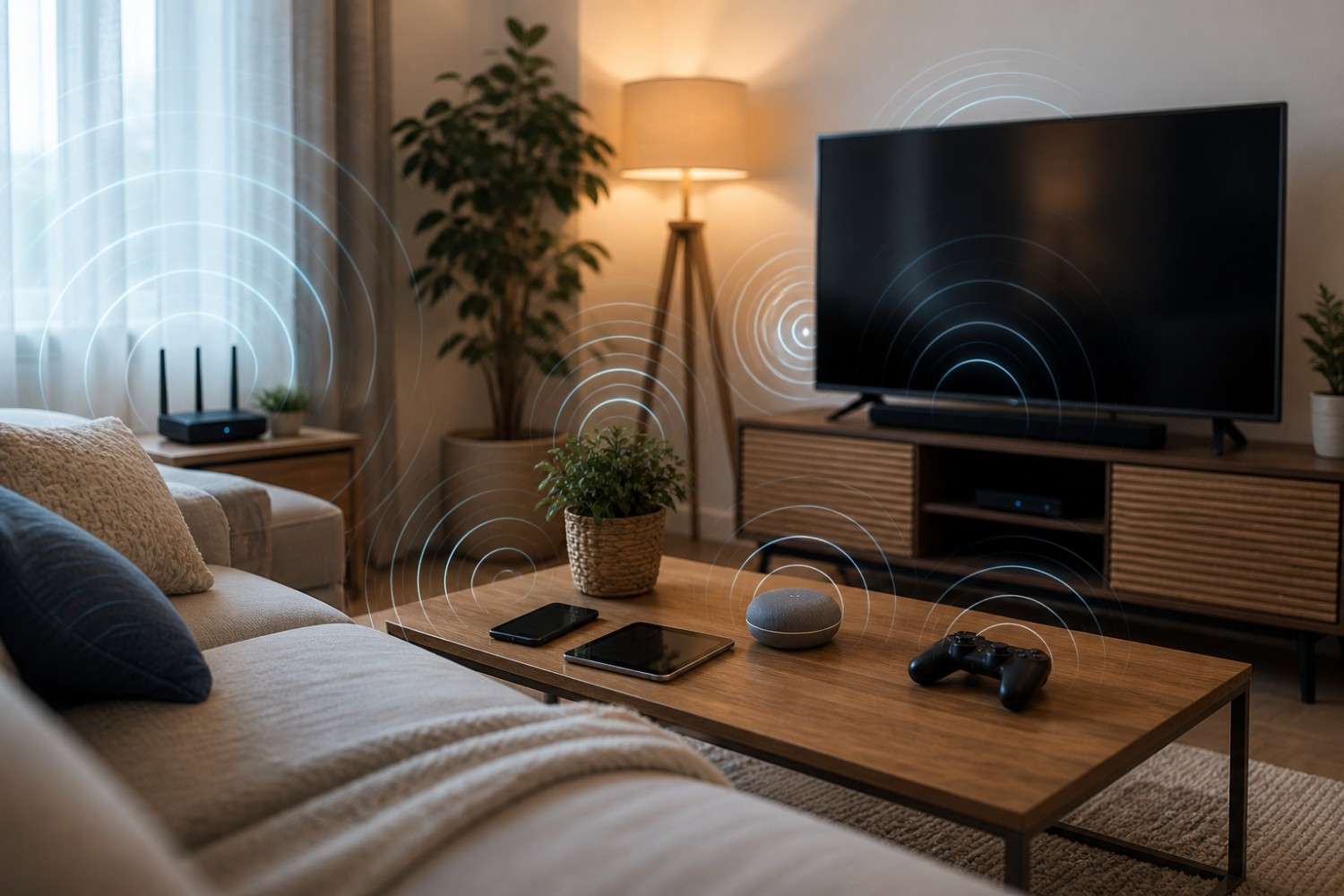
Picture a typical evening in your living room. The television is on, your phone is within reach, the WiFi is running, and maybe a tablet or gaming console is in use. It feels like a place to relax, unwind, and spend time with family. What most people don’t realize is that this same space is also filled with invisible energy from multiple electronic devices.
When you start to look more closely, the number of living room EMF sources can be surprising. These sources don’t come from one obvious device, but from a combination of everyday electronics working together. Understanding where this exposure comes from is not about creating fear, but about becoming aware of your environment and making smarter decisions.
In this article, we’ll break down the most common living room EMF sources, including some that are often overlooked. You’ll also learn which ones matter the most and how to reduce your exposure in simple, practical ways without disrupting your daily routine.
What Counts as EMF in Your Living Room?
Before identifying specific sources, it helps to understand what EMF actually means in a practical sense. EMF, or electromagnetic fields, are produced whenever electricity flows or wireless signals are transmitted. In a living room, this typically comes from two main categories.
The first type is low-frequency EMF, which is generated by electrical wiring, lamps, power strips, and plugged-in appliances. This type is always present when electricity is flowing through your home.
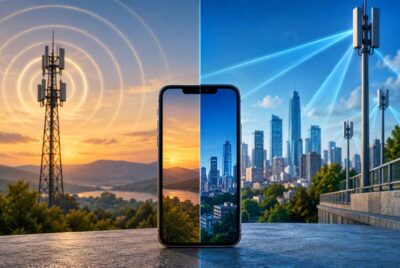
The second type is radiofrequency EMF, which comes from wireless technologies such as WiFi, Bluetooth, and cellular signals. These signals allow your devices to communicate without wires, but they also contribute to the overall exposure in your environment.
The key idea to remember is that not all exposure is equal. Distance plays a major role. The closer you are to a device, the stronger the exposure. Duration also matters. A device used for hours every day contributes more than one used occasionally.
The Most Common Living Room EMF Sources
Most living rooms contain a mix of devices that contribute to EMF exposure throughout the day. What makes this important is not any single device, but the way multiple sources operate at the same time. This creates what is often called “stacked exposure,” where different signals overlap in the same space.
Let’s take a closer look at the most common contributors.
WiFi Router
The WiFi router is usually the strongest and most consistent source in the room. It operates continuously, sending and receiving signals to keep your devices connected. Many people place their router in a central location, which often ends up being the living room.
Because it runs 24 hours a day, it becomes one of the most significant living room EMF sources. The closer it is to your couch or seating area, the higher your exposure over time. Simply moving the router farther away from where you sit can make a noticeable difference.
Smart TVs and Streaming Devices
Modern televisions are far more than just screens. Smart TVs constantly communicate with WiFi networks, download updates, and connect to streaming platforms. Even when turned off, many remain in a standby mode that keeps certain internal components active.
Streaming devices such as Roku, Fire Stick, or Apple TV also contribute to this constant connectivity. While each device may not seem significant on its own, together they add to the overall EMF environment in your living room.
Smartphones and Tablets
Phones and tablets are some of the highest exposure devices, mainly because they are used so close to the body. Watching videos, browsing, or making calls increases signal activity, especially when the connection is weak.
These devices are not always considered part of the room itself, but they play a major role in daily exposure. When used frequently on the couch or in close proximity, they become a key part of your living room setup.
For those who want an added layer of protection during use, the DefenderShield EMF Protection Phone Case is designed to reduce direct exposure on one side of the device.
Bluetooth Devices
Bluetooth speakers, wireless headphones, gaming controllers, and even remote controls use low-power wireless signals. While Bluetooth typically emits less power than WiFi, it is often used very close to your body.
Over time, repeated close-range use can contribute to overall exposure, especially when multiple devices are active at once.
Gaming Consoles
Gaming systems combine several elements in one device. They draw electrical power, connect to WiFi or Ethernet, and are often used for long periods. This combination makes them a moderate but consistent contributor to EMF levels in the room.
For households with frequent gaming activity, this can become a noticeable part of daily exposure.
Power Strips and Extension Cords
These are easy to overlook because they don’t transmit wireless signals. However, they carry electrical current, which creates low-frequency EMF.
Many living rooms have power strips tucked behind entertainment centers or near seating areas. Sitting close to these for extended periods can increase your exposure more than you might expect.
Lamps and Electrical Wiring
Electrical wiring runs behind your walls and powers everything in the room. While the exposure from wiring is typically lower than wireless devices, it is always present.
Lamps, especially those close to seating areas, can also contribute small amounts of EMF when plugged in and turned on.
Affiliate Advertisement

The Hidden EMF Sources Most People Miss
Beyond the obvious devices, there are several sources that people rarely think about. These hidden contributors can quietly add to your overall exposure without you realizing it.
One of the most common is standby mode. Many devices are never fully turned off. Televisions, gaming systems, and streaming devices often remain in a low-power state, still drawing electricity and emitting small amounts of EMF.
Smart home devices are another example. Voice assistants, smart plugs, and connected lighting systems maintain constant communication with your network. Even when not actively in use, they continue to transmit signals in the background.
External signals also play a role. WiFi networks from neighboring homes can pass through walls and contribute to the overall signal environment. While you can’t control these, being aware of them helps you understand the full picture.
Which Living Room EMF Sources Matter the Most?
Not all sources carry the same weight. Understanding which ones matter most allows you to focus your efforts where they will have the greatest impact.
In most cases, the WiFi router stands out as the primary contributor due to its constant operation and signal strength. Devices that are used very close to the body, such as smartphones, also rank high because of proximity.
Other electronics like TVs and gaming systems fall somewhere in the middle. They contribute to the overall environment but are usually less significant than a nearby router or phone in active use.
Lower-level sources, such as wiring and power strips, are always present but generally less impactful on their own. The key takeaway is that exposure is cumulative. It’s the combination of multiple sources that creates the overall effect.
How to Reduce EMF in Your Living Room
Once you understand where exposure comes from, the next step is making practical adjustments. The goal is not to eliminate every device, but to reduce unnecessary exposure in ways that are easy to maintain.
One of the simplest changes is moving your WiFi router away from where you sit most often. Even a few extra feet can significantly reduce the intensity of the signal reaching you.
Turning off WiFi at night is another effective strategy. This reduces continuous exposure during hours when you are not actively using your devices.
Creating distance from electronics whenever possible is one of the most powerful tools you have. Keeping phones off your body, avoiding resting laptops on your lap, and stepping back from devices during use all help reduce exposure.
Limiting direct contact with electronics is also important. Many people unknowingly hold or rest devices against their body for extended periods. Small adjustments in how you use these devices can make a meaningful difference over time.
For those who want a more precise understanding of their environment, measuring tools can provide valuable insight. An EMF Meter like those sold by Safe Living Technologies allows you to identify stronger sources and understand how different devices contribute to your space.
This type of tool is not necessary for everyone, but it can be helpful for those who want a clearer picture of their surroundings.
Do You Need to Worry About EMF in Your Living Room?
It’s easy to feel overwhelmed when thinking about all the technology in your home. The reality is that EMF exposure is a normal part of modern life. Every home with electricity and wireless devices will have some level of exposure.
The key is balance. Instead of trying to eliminate every source, focus on reducing the most significant contributors. Small, consistent changes can lower your overall exposure without disrupting your lifestyle.
Awareness is the first step. Once you understand what is around you, you can make informed decisions that align with your comfort level.
Conclusion
Your living room is designed to be a place of comfort, but it also contains a mix of devices that contribute to your daily EMF exposure. When you take a closer look at the most common living room EMF sources, it becomes clear that exposure comes from multiple overlapping signals rather than a single device.
The good news is that you don’t need to make drastic changes to improve your environment. Simple steps like increasing distance, adjusting device placement, and reducing unnecessary usage can have a meaningful impact over time.
By becoming aware of what’s around you and making a few thoughtful adjustments, you can create a living room that feels just as comfortable while also being more mindful of your overall exposure.
Before You Go…
Get Weekly EMF Protection Tips
Enjoy this article? Join the EMFLuLu newsletter for simple weekly tips to reduce everyday EMF exposure from phones, WiFi routers, laptops, and smart home devices.
Try Our Free EMF Calculators
Curious how much EMF exposure you may experience each day?
These simple tools can help you estimate your exposure and identify possible problem areas in your home.
Try these free calculators:
Like this article? Pin it on Pinterest!

More to Explore