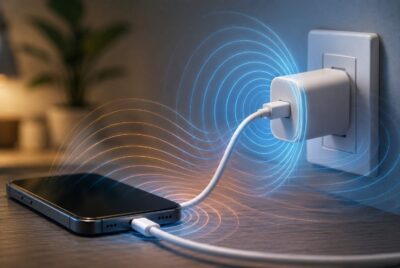
In today’s electronic world, where technology is everywhere, electromagnetic fields (EMFs) are everywhere as well – from cell phones and Wi-Fi to microwaves and electrical appliances. With technology’s ever increasing, rapid growth, many individuals are reporting sensitivity to EMFs, often referred to as Electromagnetic Hypersensitivity (EHS). While EHS is not yet officially recognized as a medical diagnosis, many people believe they experience symptoms linked to EMF exposure. In this article, let’s dive into what EHS is, its common symptoms, how to identify them, and practical ways to manage EMF sensitivity in your daily life.
What is Electromagnetic Hypersensitivity (EHS)?
Electromagnetic Hypersensitivity, or EHS, refers to the idea that exposure to electromagnetic fields may cause various physical symptoms in some individuals. These fields can come from many different sources, including wireless devices, household electronics, and even the power lines around us. Although mainstream medical science has not officially classified EHS as a disease, many people experience real discomfort and have adjusted their lifestyles to reduce their exposure to EMFs.
Understanding EMFs and Their Sources
Before jumping right into EHS, it’s essential to understand what EMFs actually are. In short, electromagnetic fields are areas of energy that surround electronic devices. They are typically categorized into two types:
- Low-frequency EMFs: These come from devices like power lines, electrical wiring, and household appliances.
- High-frequency EMFs (radiofrequency radiation): Sources include cell phones, Wi-Fi routers, and other wireless technologies.
Without much doubt, our modern lives have increased exposure to these fields. The concern among people with EHS is that constant exposure to these fields might affect their health, leading to symptoms that are oftentimes hard to diagnose.
Recognizing the Symptoms of EMF Sensitivity
Identifying the common symptoms of EHS can be somewhat challenging because the signs vary widely among individuals. Here, however, are some of the most commonly reported signs and symptoms:
- Headaches and migraines: Persistent headaches are among the most frequent complaints from those with EHS. These headaches can range from mild discomfort to severe migraines, often increasing in intensity with prolonged exposure to EMF-emitting devices, such as smartphones or Wi-Fi routers.
- Fatigue: Many people report a general sense of tiredness or even exhaustion that does not improve with rest.
- Sleep disturbances: Insomnia or difficulty falling asleep is a common symptom, often accompanied by a feeling of unrested sleep. For more on sleep and EMF, please read more here.
- Concentration problems: Difficulty focusing or feeling mentally foggy may be linked to EMF exposure.
- Tingling or prickling sensations: Some individuals report feeling a tingling or numb sensation in the skin, particularly in areas closest to EMF-emitting devices.
- Dizziness: Sudden spells of dizziness or lightheadedness can occur, particularly after prolonged exposure to EMFs.
- Nausea: Some individuals experience feelings of nausea when around high-frequency EMFs.
- Heart palpitations or irregular heartbeat: Changes in heart rhythm have been reported in more severe cases of EMF sensitivity.
- Eye strain and visual disturbances: EMFs from devices such as computers and mobile phones may contribute to eye discomfort and blurred vision.
Affiliate Advertisement

How to Test for Electromagnetic Hypersensitivity
Unfortunately, there is no official medical test to diagnose EHS, but several approaches can help you determine if EMF exposure is affecting your health. Here are a few steps you can take:
- Tracking Symptoms
Keeping a symptom diary is one of the most effective ways to link your health issues to EMF exposure. Make a note of when and where symptoms occur and what devices or EMF sources were around you at the time. For example, do your headaches occur more frequently when using your smartphone or sitting near a Wi-Fi router? This method can help you identify patterns in symptoms.
- Reducing EMF Exposure for Testing
To see if EMFs are a contributing factor, try reducing your exposure to electromagnetic fields for a period of time. Unplug your devices, turn off your Wi-Fi at night, and avoid using cell phones for a few days. If your symptoms improve, it could indicate a sensitivity to EMFs.
- Use EMF Meters
EMF meters can measure the level of EMFs in your environment. These devices are affordable and can help you identify areas with high exposure in your home or workplace. Knowing where EMFs are most concentrated can help you to minimize exposure in those particular areas.
- Consult a Health Practitioner
Though EHS isn’t officially recognized by all medical professionals, some doctors and naturopaths specialize in environmental illnesses. Consulting with a healthcare provider who is knowledgeable about EHS can offer guidance on managing your symptoms.
Managing EMF Sensitivity at Home
If you suspect you have EMF sensitivity, there are many ways you can reduce your exposure and potentially alleviate these symptoms.
- Limit Wireless Device Use
The first step in managing EMF sensitivity is to limit your use of wireless devices such as smartphones, tablets, and Wi-Fi routers. Hey, I am old enough to know what life was like without these devices, and honestly, life was really not inconvenient at all. It was still great with plenty of activities to experience. Sure, all these devices bring a level of convenience to your life, but limiting their use, in my opinion, is not at all a great bother. To do this, you might consider the following:
- Use wired connections: Whenever possible, opt for wired internet connections rather than Wi-Fi. This reduces the amount of high-frequency EMFs in your home.
- Turn off devices when not in use: Power down devices like routers, computers, and cell phones when they are not being used, especially overnight.
- Use speakerphone or wired headsets: When using your phone, try not to hold it directly to your ear. Use a speakerphone or a wired headset to reduce exposure to radiofrequency radiation.
- Create Low-EMF Zones in Your Home
Designate areas of your home where you limit or eliminate EMF-emitting devices. Bedrooms are an excellent place to start since reducing EMF exposure at night may improve sleep. Here are some tips:
- Keep electronics out of the bedroom: Avoid placing cell phones, Wi-Fi routers, or laptops in your sleeping area.
- Use low-EMF lighting: Opt for incandescent or LED lights rather than compact fluorescent bulbs (CFLs), which emit higher levels of EMFs.
- Unplug devices at night: Electronics that remain plugged in can still emit EMFs even when not in use, so unplug them before bed.
- EMF Shielding Solutions
There are products on the market designed to shield against EMFs. These include:
- EMF-blocking curtains and fabrics: Specialized fabrics can block electromagnetic radiation from entering your living space.
- EMF shielding paint: You can paint walls with EMF shielding paint, which blocks radiofrequency waves and reduces overall EMF levels in your home.
- EMF protection cases for phones and laptops: Many companies offer cases designed to reduce radiation from mobile devices. One particular company is DefenderShield. You can view their protective cell phone cases and laptop guards here.
- Grounding (Earthing)
Some people with EHS find relief through grounding, also known as earthing. Grounding involves making direct contact with the Earth’s surface, usually by walking barefoot outdoors. Proponents of grounding believe it helps balance the body’s electrical charge and can alleviate symptoms of EMF sensitivity. While more research is needed to confirm its benefits, many people with EHS report feeling better after performing regular grounding practices.
- Improve Overall Health
For many, EHS symptoms are worsened by stress, poor diet, and lack of exercise. Here are some general health tips that may help alleviate EMF sensitivity symptoms:
- Stress management: High levels of stress can exacerbate the symptoms of EHS. Incorporating relaxation techniques such as yoga, meditation, or deep breathing exercises may help reduce stress.
- Healthy diet: Eating a balanced diet rich in antioxidants can protect the body from oxidative stress, which some researchers suggest could be linked to EMF exposure.
- Regular exercise: Physical activity improves overall well-being and can help the body better handle environmental stressors like EMF exposure.
Affiliate Advertisement

Final Thoughts on Electromagnetic Hypersensitivity
Electromagnetic Hypersensitivity is a topic of growing interest as more people become aware of their possible sensitivity to EMFs. While research is ongoing, and mainstream medicine may not fully acknowledge EHS as a diagnosable condition, the experiences of those affected are real. If you suspect you have EMF sensitivity, tracking symptoms, reducing exposure, and making lifestyle adjustments are practical first steps in managing your condition.
By identifying the sources of EMFs in your environment and taking proactive steps to reduce exposure, you can significantly alleviate the discomfort associated with EMF sensitivity. Whether through minimizing wireless device usage, shielding your home, or adopting grounding practices, there are many ways to take control of your well-being in an increasingly connected world.
Before You Go…
Get Weekly EMF Protection Tips
Enjoy this article? Join the EMFLuLu newsletter for simple weekly tips to reduce everyday EMF exposure from phones, WiFi routers, laptops, and smart home devices.
Try Our Free EMF Calculators
Curious how much EMF exposure you may experience each day?
These simple tools can help you estimate your exposure and identify possible problem areas in your home.
Try these free calculators:
Like this article? Pin it on Pinterest!

More to Explore