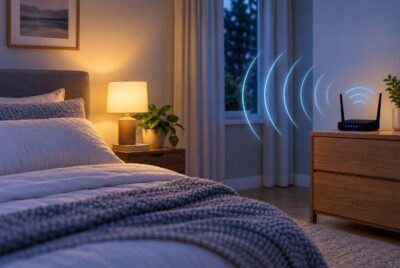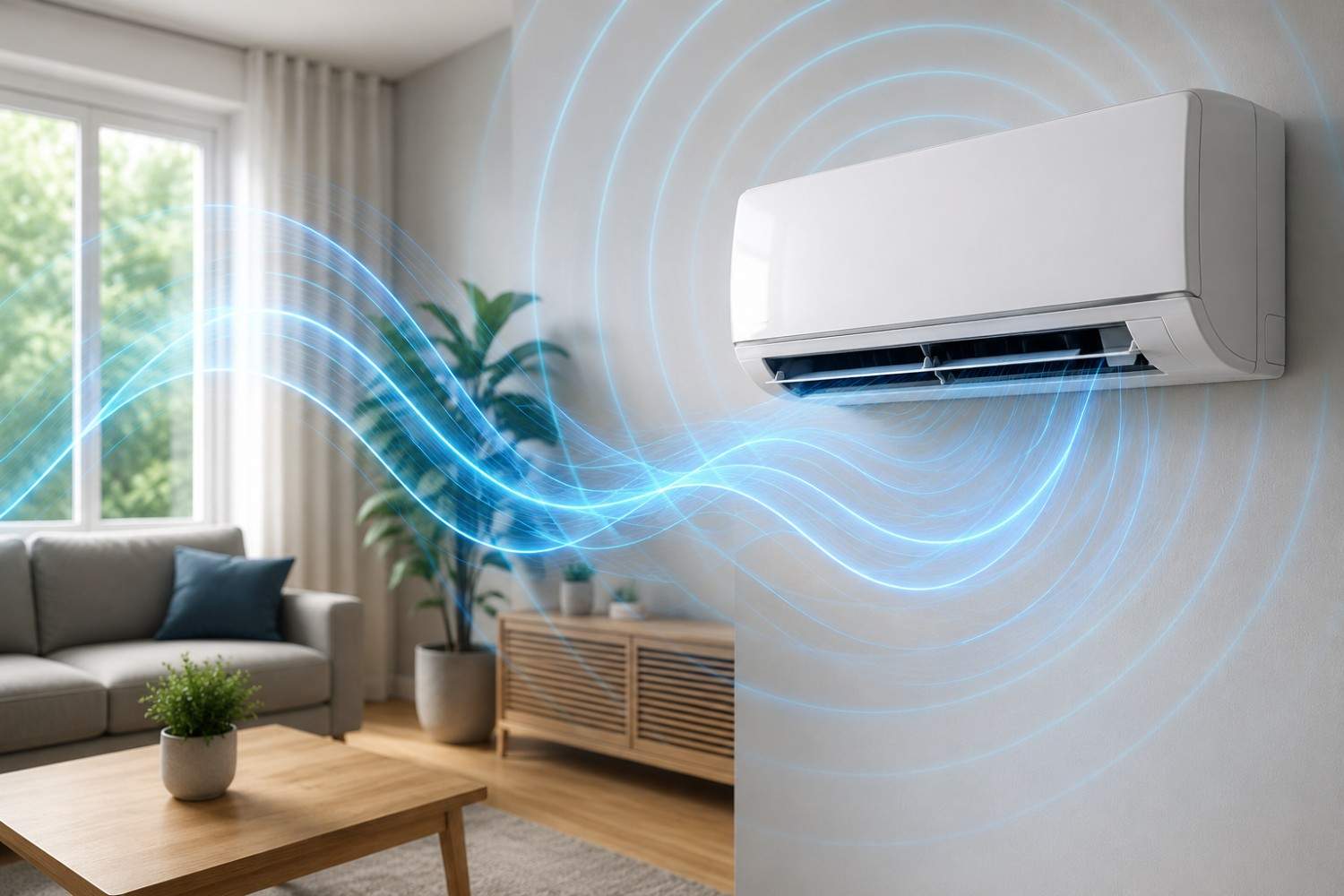
Summer often brings soaring temperatures, longer daylight hours, and a major increase in household electricity use. Air conditioners begin running for extended periods of time, ceiling fans stay on throughout the day, and many homes rely heavily on cooling systems to remain comfortable. As interest in electromagnetic fields continues to grow, many people have started asking whether air conditioners contribute to EMF exposure inside the home.
The answer is yes. Most air conditioning systems generate electromagnetic fields because they rely on electricity, motors, compressors, wiring, and electronic components to operate. Still, understanding air conditioner EMF radiation requires looking at several important factors, including the type of air conditioner being used, how close you are to the unit, how long it operates each day, and whether the system includes wireless smart-home features.
For many households, the goal is not to eliminate every source of EMF exposure. That would be nearly impossible in modern life. Instead, many people prefer learning practical ways to reduce unnecessary exposure while still enjoying the convenience of everyday appliances. Air conditioners are a useful example because they are often placed close to sleeping areas, home offices, couches, or other locations where people spend many hours during the summer months.
This article will explain how air conditioners produce EMFs, which types of systems may create more exposure, how distance affects EMF levels, and several realistic ways to reduce exposure without giving up comfort during hot weather.
What Is EMF and Why Do Appliances Produce It?
Electromagnetic fields, commonly called EMFs, are created whenever electricity flows through wires or electronic equipment. Household appliances generate EMFs because they rely on electrical current to function. Some appliances create relatively small EMFs, while others produce stronger magnetic fields due to motors, compressors, transformers, or higher power usage.
Air conditioners contain several components that naturally generate EMFs during operation. Compressors cycle on and off to cool the air. Fan motors move air through vents or across cooling coils. Internal wiring carries electrical current throughout the system. In some modern systems, wireless connectivity features add radiofrequency emissions on top of standard low-frequency electromagnetic fields.
There are two main types of EMFs commonly discussed in homes. Electric fields are present whenever a device is plugged in and powered. Magnetic fields are created when electrical current is actively flowing. Appliances that use powerful motors or compressors often generate stronger magnetic fields while running.
Air conditioners fall into this category because cooling systems require significant energy to start and maintain compressor operation. This does not automatically mean the exposure is dangerous, but it does explain why some people become curious about air conditioner EMF radiation during the summer.
Do Air Conditioners Emit EMF?
Yes, nearly all air conditioning systems emit EMFs to some degree. The amount varies based on the design of the unit, electrical setup, power demand, and proximity to the user.
Window air conditioners are often discussed most frequently because they sit very close to people. Many are installed beside beds, couches, or workspaces. Portable air conditioners can create similar concerns because the compressor and motor are located inside the room rather than outdoors.
Central air conditioning systems usually place the compressor outside the home, which may reduce direct indoor exposure from the main cooling equipment. However, indoor air handlers, duct systems, thermostats, and electrical wiring still generate some electromagnetic fields while operating.
Mini-split systems have also become increasingly popular in homes and apartments. These systems use indoor wall-mounted units connected to outdoor compressors. Many mini-splits rely on variable-speed inverter technology, which improves energy efficiency but may create varying electromagnetic patterns due to electronic speed controls.
One important thing to remember is that EMF strength generally decreases rapidly with distance. Standing directly beside an operating air conditioner may produce noticeably higher readings than sitting ten feet away. This is one reason room layout matters when discussing air conditioner EMF radiation.
Which Types of Air Conditioners May Produce More EMF Exposure?
Different air conditioning systems create different exposure situations depending on their design and placement. The actual EMF measurements can vary considerably between brands and installations, but understanding the typical setup of each system can help explain why some people are more concerned about certain units.
Window air conditioners are often placed only a few feet from beds or chairs. In small apartments or bedrooms, people may spend many hours very close to these units. Because the compressor and fan motor are built into the same housing, the strongest EMFs are often located near the sides or rear of the appliance.
Portable air conditioners may create similar concerns because the entire cooling system sits inside the room. While these units provide convenience, they are sometimes positioned directly beside desks, couches, or sleeping areas.
Central air conditioning systems may reduce direct exposure because the compressor usually remains outdoors. Even so, indoor blowers, furnace fans, duct motors, and electrical panels still contribute some EMF exposure within the home.
Mini-split systems vary widely. The indoor wall-mounted unit usually creates lower exposure than a nearby window AC unit, but inverter-based systems may generate fluctuating electrical activity due to electronic controls.
Smart air conditioners introduce another factor. Many modern cooling systems include WiFi connectivity, Bluetooth pairing, app controls, or smart thermostats. These features may add wireless radiofrequency emissions in addition to standard appliance-related EMFs.
Does Summer Power Usage Increase Overall EMF Exposure?
During summer, many homes experience a significant increase in electrical activity. Air conditioners run longer cycles, fans remain on throughout the day, and electronic devices may operate continuously as families spend more time indoors escaping the heat.
This increased electricity usage does not necessarily create dangerous conditions, but it can increase the number of active EMF sources operating simultaneously inside a home. In some households, this may include multiple air conditioners, smart thermostats, routers, dehumidifiers, fans, televisions, gaming systems, and charging devices all running together.
Some people describe this as cumulative exposure. Rather than focusing on a single appliance alone, they look at the combined effect of many electrical devices operating nearby throughout the day.
This is one reason practical exposure reduction strategies often focus on the entire environment rather than only one appliance. Simple adjustments like moving routers away from sleeping areas, avoiding unnecessary smart-device features, and increasing distance from larger appliances may help reduce overall exposure without disrupting daily life.
Why Distance Matters So Much
Distance is one of the simplest and most effective ways to reduce EMF exposure from household appliances. Electromagnetic fields weaken significantly as you move farther from the source. In many situations, even a few extra feet can make a noticeable difference.
This matters especially with air conditioners because many people unknowingly place themselves extremely close to operating units for long periods of time. A window AC installed directly beside a bed may expose someone to stronger EMFs throughout the night than a similar unit located across the room.
The same concept applies to portable air conditioners placed beside couches or office desks. Moving seating arrangements slightly farther away may help reduce exposure while still allowing the room to remain cool and comfortable.
Many people interested in reducing EMFs do not attempt to remove every appliance from their homes. Instead, they focus on creating practical distance wherever possible. This approach often feels more realistic and sustainable for everyday living.
Can You Measure EMFs From an Air Conditioner?
People curious about appliance-related EMFs sometimes use EMF meters to measure electrical and magnetic field activity around their homes. These meters can help show how readings change depending on distance, appliance operation, wiring quality, and room layout.
Air conditioner readings often fluctuate because compressors cycle on and off during operation. A unit may produce relatively low readings while idle and noticeably stronger readings during compressor startup.
Those interested in testing appliances sometimes use the Safe and Sound Pro II RF Meter from Safe Living Technologies to evaluate wireless and electronic activity within the home.
Another commonly used option is the TriField EMF Meter Model TF2, also available through Safe Living Technologies. Many homeowners use meters like these to compare readings around appliances, WiFi routers, smart devices, and sleeping areas.
It is important to remember that measurements can vary considerably based on the exact location, electrical wiring, unit design, and even how the appliance cycles during operation. A single reading does not always represent continuous exposure levels.
Practical Ways to Reduce Air Conditioner EMF Exposure
Many people prefer practical solutions that improve comfort without creating fear around everyday technology. Air conditioners are an important part of modern living during hot weather, especially in regions with long summers or high humidity. Fortunately, several simple strategies may help reduce unnecessary exposure while still allowing households to stay cool.
One helpful approach is increasing distance from the unit whenever possible. If a window air conditioner sits directly beside the bed, moving the bed a few feet away may help reduce exposure during sleep. Portable units can sometimes be positioned farther from couches or desks without affecting cooling performance too much.
Another useful step involves reducing unnecessary wireless features. Many newer air conditioners include app controls, WiFi connectivity, and Bluetooth communication. If these features are not needed, disabling them may reduce additional radiofrequency emissions within the room.
Room layout also matters. Avoid placing multiple high-powered electronics together in one small area. For example, keeping a WiFi router directly beside a portable air conditioner and a work desk may create a concentrated area of electronic activity.
Some households also use shielding or organizational products to create more comfortable technology environments. People working indoors near electronics during summer months sometimes use the DefenderShield Laptop Pad from DefenderShield while using laptops for extended periods.
Others exploring broader smart-home EMF reduction strategies occasionally look into products from EMF Harmony when organizing highly connected living spaces.
The most effective approach for many households is usually moderation and awareness rather than drastic changes. Small adjustments in distance, room setup, and wireless usage may help reduce exposure while maintaining normal daily comfort.
Affiliate Advertisement

Are Smart Air Conditioners Different?
Smart-home technology has expanded rapidly over the past several years, and air conditioning systems are no exception. Many modern units now connect to mobile apps, WiFi networks, voice assistants, and smart thermostats.
These systems offer convenience because users can adjust cooling settings remotely, create schedules, monitor energy use, or automate temperature changes throughout the day. However, wireless connectivity also introduces radiofrequency emissions in addition to the low-frequency EMFs already generated by motors and compressors.
For some households, this is not a major concern. Others prefer minimizing unnecessary wireless activity inside bedrooms or living spaces. In those situations, homeowners may choose to disable WiFi features or use manual controls instead.
Smart thermostats can also contribute additional wireless communication depending on how they connect to the home network. While these devices generally use relatively low power, they still become part of the overall electronic environment inside the home.
People concerned about air conditioner EMF radiation often focus more on practical placement and unnecessary wireless activity rather than avoiding cooling systems altogether.
Should You Be Concerned About Air Conditioner EMF Radiation?
For most people, air conditioners are simply part of normal modern living. They improve comfort, reduce humidity, and help maintain safer indoor temperatures during extreme heat.
At the same time, it is reasonable for homeowners to want a better understanding of the electrical environment inside their homes. Learning about EMFs allows people to make informed decisions about appliance placement, room organization, and smart-device usage.
The most balanced approach is usually one based on awareness and practicality rather than fear. Air conditioners do generate EMFs, but exposure levels depend heavily on distance, operating time, room layout, and the specific type of cooling system being used.
Simple adjustments may help reduce unnecessary exposure without sacrificing comfort. Moving a bed farther from a window unit, disabling wireless features that are not needed, or avoiding sitting directly beside a portable air conditioner for long periods are all realistic steps that many households can implement easily.
Conclusion
Air conditioners do emit electromagnetic fields because they rely on electrical motors, compressors, wiring, and electronic controls to operate. During the summer months, increased cooling usage may contribute to a higher number of active EMF sources throughout the home, especially when combined with smart devices and wireless technology.
Still, understanding air conditioner EMF radiation does not need to create fear or panic. In many situations, practical adjustments such as increasing distance from appliances, reducing unnecessary wireless features, and organizing electronic devices more carefully may help lower exposure while still allowing families to stay comfortable during hot weather.
As interest in healthier home environments continues to grow, many people simply want balanced information that helps them make informed choices. Learning how cooling systems work, where EMFs originate, and how room setup affects exposure can provide a more realistic perspective on modern household technology.
Before You Go…
Get Weekly EMF Protection Tips
Enjoy this article? Join the EMFLuLu newsletter for simple weekly tips to reduce everyday EMF exposure from phones, WiFi routers, laptops, and smart home devices.
Try Our Free EMF Calculators
Curious how much EMF exposure you may experience each day?
These simple tools can help you estimate your exposure and identify possible problem areas in your home.
Try these free calculators:
Like this article? Pin it on Pinterest!


More to Explore