Electric recliners and adjustable beds have become increasingly popular over the past decade. Many people use them to improve comfort, relieve back pain, elevate their legs, reduce snoring, or simply make reading and watching television more enjoyable. While these products provide convenience and comfort, some consumers have questions about the electrical components hidden inside them. One concern that frequently arises is EMF from adjustable beds and whether sleeping or sitting near electric motors could increase electromagnetic field exposure. If you have recently purchased an adjustable bed or are considering buying one, understanding where EMFs come from and how these products operate can help you make informed decisions without unnecessary worry.
What Are Electric Recliners and Adjustable Beds?
Before discussing EMFs, it is helpful to understand how these products function.
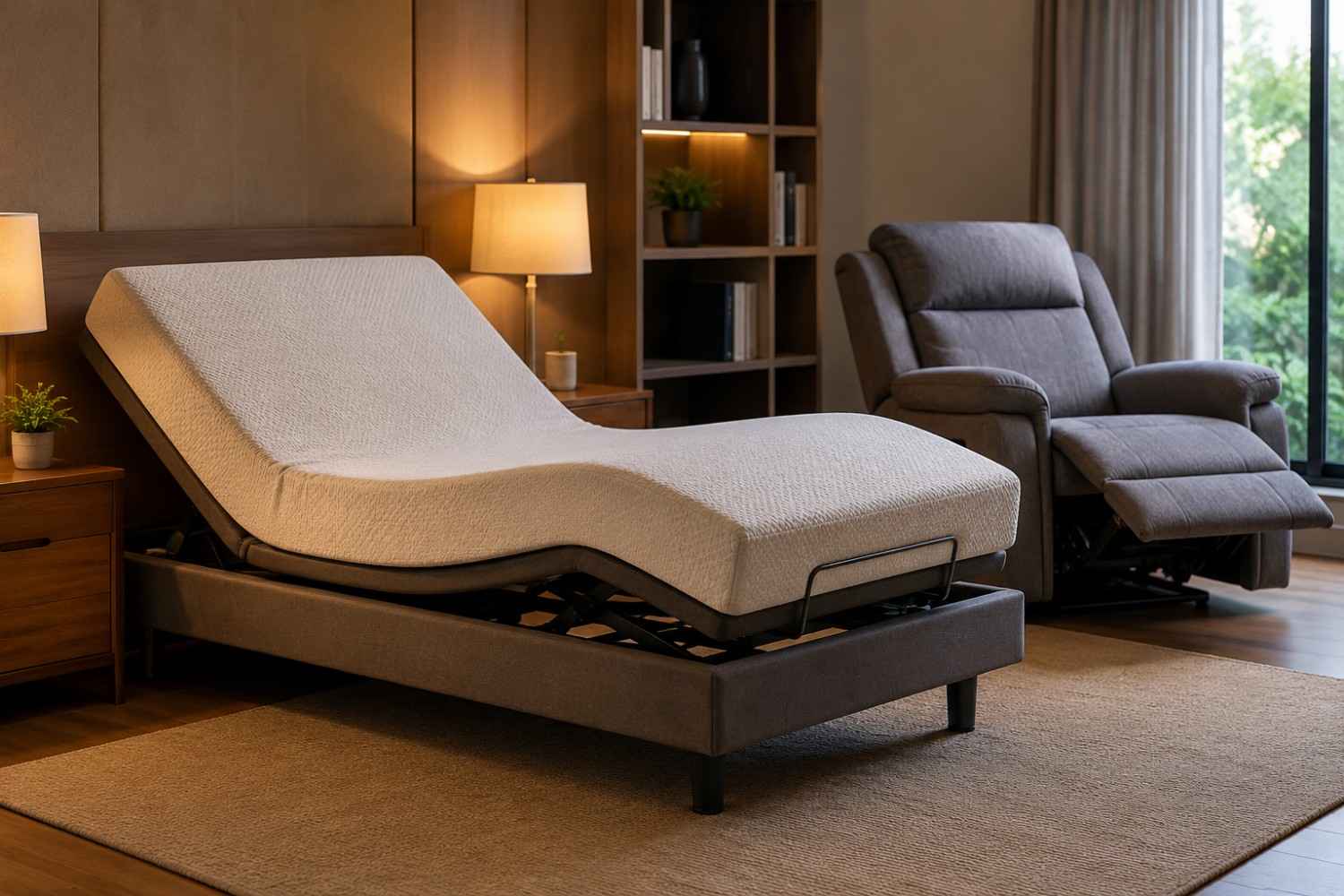
An adjustable bed contains one or more electric motors that raise and lower various sections of the mattress platform. Depending on the model, the head, feet, or lumbar region may be adjustable. Premium models may also include massage features, USB charging ports, under-bed lighting, wireless connectivity, and programmable memory settings.
Electric recliners work in a similar manner. Instead of manually pushing back on the chair, a motor moves the footrest and reclining mechanism. Lift chairs designed for individuals with mobility challenges use additional motors to help users stand from a seated position.
Although these products differ in design, they share many of the same electrical components. Most contain motors, wiring, power supplies, control boxes, and remote-control systems. These electrical parts are responsible for any electromagnetic fields that may be present.
Understanding EMFs in Everyday Life
Electromagnetic fields, commonly called EMFs, are produced whenever electricity flows through wires or electrical devices. EMFs are not unique to adjustable beds or recliners. They are present throughout modern homes.
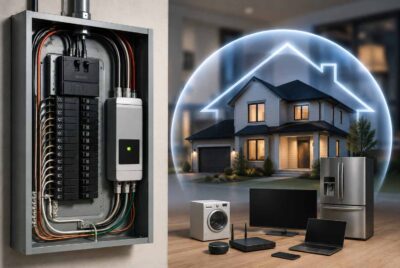
Common household sources include televisions, refrigerators, microwaves, Wi-Fi routers, lamps, electrical panels, power cords, and cell phone chargers. Even the wiring hidden behind your walls generates measurable electromagnetic fields.
The existence of EMFs does not automatically indicate a health risk. The amount of exposure depends on numerous factors including distance, power consumption, operating time, and the design of the device.
When evaluating electric furniture, it is important to focus on actual measurements rather than assumptions.
Where Does the EMF Come From?
Many people assume the entire bed or chair emits EMFs. In reality, the primary sources are specific electrical components.
The electric motors are often the strongest source when they are actively moving. During operation, electrical current flows through the motor windings, producing magnetic fields. Once movement stops, those fields often decrease significantly.
Power supplies and transformers may also generate measurable fields. These components convert household electricity into the voltage needed for the motors and control systems.
Wiring can create electric and magnetic fields as current travels through the system. In addition, wireless remotes and Bluetooth-enabled features may generate low levels of radiofrequency emissions when transmitting signals.
The highest readings are generally found closest to these components. As distance increases, EMF levels usually decrease rapidly.
Do Adjustable Beds Produce High EMF Levels?
This is one of the most common questions consumers ask.
The answer depends largely on the design of the bed and where measurements are taken. If you place an EMF meter directly next to a motor housing, readings may be noticeably higher than measurements taken near the pillow area.
This is important because distance is one of the most powerful factors affecting EMF exposure. A motor located several feet away from your head may produce significantly lower exposure at sleeping position than measurements taken directly beside the motor.
When discussing EMF from adjustable beds, many experts recommend measuring the actual sleeping area rather than focusing solely on readings obtained at the motor itself.
Another factor is operating time. Adjustable bed motors are usually active for only short periods while changing positions. Once movement stops, exposure levels often decline substantially.
Are Electric Recliners Different?
Electric recliners present a slightly different situation because users often sit closer to the motor assembly.
Depending on the chair design, the motor may be located beneath the seat or near the footrest mechanism. This means portions of the body can sometimes be closer to electrical components than they would be in an adjustable bed.
However, exposure still depends heavily on distance and operating status. A recliner motor that operates for only a few seconds during position changes may contribute relatively little overall exposure compared to other electrical devices used throughout the day.
In many homes, Wi-Fi routers, computers, televisions, gaming systems, and cordless phone bases operate continuously, often contributing more total electrical activity than a recliner motor that runs briefly.
What Happens When the Motor Is Not Moving?
Many people assume a powered adjustable bed produces the same EMF levels around the clock. In reality, this is often not the case.
During active movement, motors draw power and generate magnetic fields. Once the motor stops, power usage typically decreases dramatically.
Some beds maintain standby power for remote controls, memory settings, USB ports, or lighting features. These components may still produce measurable EMFs, although often at lower levels than when the motors are operating.
The only way to know with certainty is to measure the specific model. Different manufacturers use different designs, control systems, and power supplies.
This is one reason why general statements about EMF from adjustable beds can be misleading. Two beds that look nearly identical may produce very different measurements.
How to Measure EMF Around an Adjustable Bed or Recliner
For individuals concerned about exposure, measuring can provide valuable information.
Rather than relying on internet discussions or marketing claims, testing allows you to understand the environment in your own bedroom.
A practical testing process might include measuring at the pillow location, near the mattress surface, beside the motor housing, near the power supply, and around any wireless control systems.
You can then compare readings while the bed is stationary and while the motors are actively moving.
This approach provides a more complete picture of actual exposure than simply measuring a single location.
For homeowners interested in performing their own measurements, two popular options are:
TriField TF2 EMF Meter – Link to Amazon.com
Safe and Sound Pro II RF Meter – Link to Safe Living Technologies
The TriField TF2 is commonly used for measuring electric fields, magnetic fields, and radiofrequency signals in residential environments. The Safe and Sound Pro II focuses primarily on radiofrequency measurements and is often used when evaluating wireless devices.
Before purchasing any meter, it is helpful to understand which types of EMFs you want to measure so you select the appropriate instrument.
Simple Ways to Reduce EMF Exposure
For those who prefer a precautionary approach, there are several straightforward strategies that may help reduce exposure without sacrificing the comfort benefits of adjustable furniture.
The goal is not necessarily to eliminate every EMF source. That would be nearly impossible in a modern home. Instead, many people focus on reducing unnecessary exposure where practical.
Increase Distance Whenever Possible
Distance is often the simplest and most effective strategy.
Because EMF levels generally decrease rapidly as you move away from the source, even a modest increase in distance can sometimes produce a noticeable reduction in measured levels.
If a power supply or control box can safely be positioned farther from the head of the bed, that adjustment may help reduce exposure in the sleeping area.
Unplug When Not Needed
Some users choose to unplug adjustable beds when they have finished positioning them for the night.
This approach is not practical for everyone, particularly individuals who rely on medical or mobility-related features. However, those who rarely adjust the bed after settling in may consider it an option.
Always follow manufacturer recommendations before disconnecting power.
Evaluate Other Bedroom Sources
Many people focus heavily on adjustable beds while overlooking other devices that may contribute more significantly to overall exposure.
Consider evaluating:
- Wi-Fi routers
- Smart speakers
- Cell phone chargers
- Wireless alarm clocks
- Cordless phone base stations
- Tablets and laptops
Reducing or relocating these devices may have a greater impact than focusing exclusively on the bed itself.
Create a Low-EMF Sleep Environment
A low-EMF bedroom typically involves looking at the entire environment rather than a single product.
This may include minimizing unnecessary electronics, keeping wireless devices farther from the bed, organizing power cords, and reducing nighttime use of connected devices.
Many people find that these simple adjustments provide peace of mind while maintaining the convenience of modern technology.
Affiliate Advertisement

Should You Be Concerned About EMF From Adjustable Beds?
This is ultimately a personal decision.
Current scientific research has not established that adjustable beds specifically pose unique health risks because of their EMF emissions. At the same time, some individuals prefer to minimize exposure where practical as part of a broader lifestyle approach.
It is also important to consider the benefits these products provide. Adjustable beds can improve comfort, support recovery from certain medical conditions, reduce pressure points, and help some people sleep more comfortably.
A balanced perspective often works best. Rather than assuming all electric furniture is dangerous or completely risk-free, it is more useful to understand how the equipment functions, measure if desired, and make reasonable choices based on your own comfort level.
Frequently Asked Questions
Do adjustable beds emit EMF when turned off?
If the bed remains plugged in, certain components may continue receiving power. The amount of EMF present depends on the specific design and features of the bed.
Is it safe to sleep on an adjustable bed?
Most people use adjustable beds without experiencing problems. These products are widely used in homes, hospitals, and assisted living environments.
Does a massage feature increase EMF?
Massage motors typically create additional electromagnetic fields while operating because they require electrical power. Measurements may be higher during use than when the feature is turned off.
Are wireless remotes a concern?
Wireless remotes generate radiofrequency signals when transmitting commands. The amount of exposure depends on transmission frequency and system design.
Should I buy EMF shielding products?
Shielding products should be evaluated carefully. In some situations, increasing distance or modifying device placement may provide a simpler and more cost-effective solution.
Conclusion
Electric recliners and adjustable beds offer comfort and convenience that many people appreciate every day. While concerns about EMF from adjustable beds are understandable, the actual level of exposure depends on factors such as motor location, operating time, power supply design, and distance from electrical components. For those who want more information, measuring the sleeping area with an EMF meter can provide useful insight. In many cases, simple adjustments such as increasing distance from electrical components, reducing unnecessary electronics in the bedroom, and evaluating other household EMF sources may help create a more comfortable sleeping environment while still allowing you to enjoy the benefits of your adjustable furniture.
Before You Go…
Get Weekly EMF Protection Tips
Enjoy this article? Join the EMFLuLu newsletter for simple weekly tips to reduce everyday EMF exposure from phones, WiFi routers, laptops, and smart home devices.
Try Our Free EMF Calculators
Curious how much EMF exposure you may experience each day?
These simple tools can help you estimate your exposure and identify possible problem areas in your home.
Try these free calculators:
Like this article? Pin it on Pinterest!

More to Explore