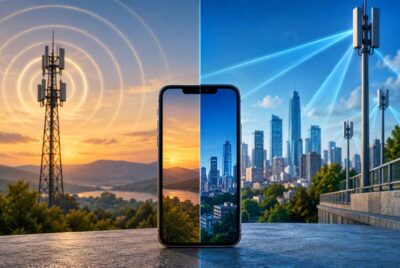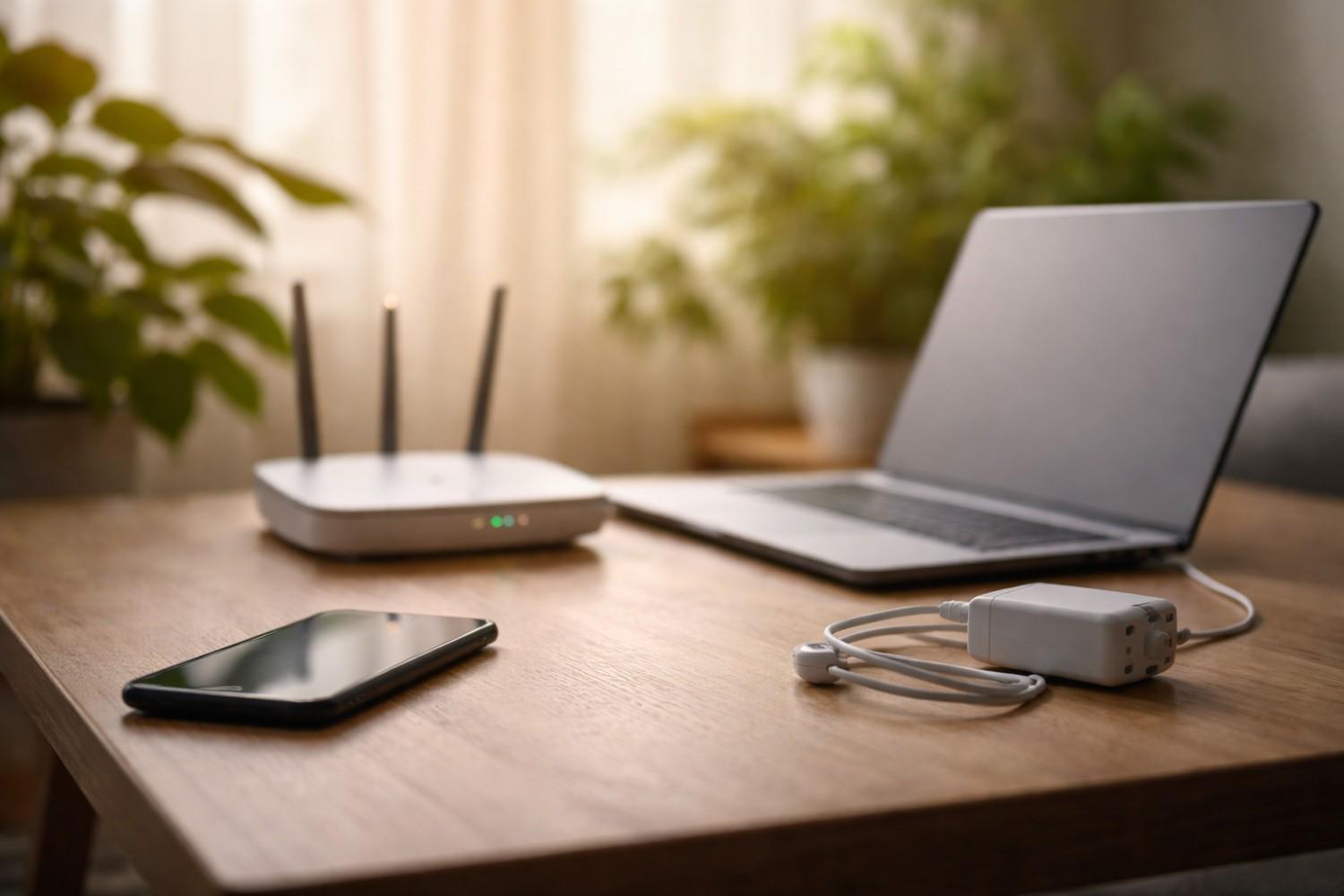
In today’s world, we are surrounded by devices that emit electromagnetic fields (EMF), from smartphones and laptops to WiFi routers and smart home systems. As awareness grows, so does concern about long-term exposure. The problem is that many solutions presented online involve expensive products, leaving people wondering if reducing EMF exposure requires a financial investment.
The good news is that learning how to reduce EMF exposure without buying anything is not only possible, but often surprisingly effective. In fact, many of the most impactful changes involve simple adjustments to how and where you use technology throughout your day. These changes cost nothing, require minimal effort, and can quickly become part of your routine.
This guide focuses on practical, no-cost strategies that you can start using immediately. If you are looking for a realistic approach to lowering EMF exposure without adding new expenses, this article will walk you through it step by step.
Understanding Where EMF Exposure Comes From
Before making changes, it helps to understand where EMF exposure is most likely to occur in your daily life. Most exposure comes from devices we use frequently and often keep close to our bodies.
Common sources include smartphones, WiFi routers, laptops, tablets, Bluetooth devices, and even everyday household electronics. The key factor is not just the presence of these devices, but how close they are to you and how long you are exposed to them.
For example, a phone in your hand for a few minutes is very different from a phone kept in your pocket for hours. A WiFi router across the house is not the same as one sitting next to your bed. Once you begin to think in terms of proximity and duration, it becomes easier to identify simple ways to reduce exposure.
The Reality: You Don’t Need to Spend Money
There is a common belief that reducing EMF exposure requires special shielding products or expensive upgrades. While products can play a role for some people, they are not the starting point.
In reality, the most effective changes come from behavior and environment. Increasing distance from devices, limiting unnecessary usage, and adjusting habits often provide more benefit than anything you can purchase.
Understanding this shifts the focus away from spending money and toward making smarter daily choices. When you learn how to reduce EMF exposure without buying anything, you begin to see that small adjustments can lead to meaningful improvements.
Free Checklist: Practical Ways to Reduce EMF Exposure
The following sections break down simple actions you can take in different areas of your daily life. These are not complicated steps. They are practical habits that can be applied immediately and consistently.
Bedroom: Where Small Changes Have a Big Impact
Your bedroom is one of the most important areas to address because it is where you spend extended, uninterrupted time. Making a few adjustments here can significantly reduce overnight exposure.
Start by turning off your WiFi router before going to bed if possible. This single change removes a constant source of wireless signals during sleep. If turning it off completely is not practical, increasing the distance between your bed and the router can still help.
Next, consider where your phone is placed at night. Keeping it on a nightstand right next to your head means continuous exposure for hours. Moving it several feet away, or even across the room, can reduce that exposure. Using airplane mode while sleeping is another simple option that cuts off wireless signals entirely.
Charging habits also matter. Avoid placing charging devices close to your bed, especially near your head. Even unused electronics on your nightstand can contribute to unnecessary exposure, so removing or relocating them can make a difference.
Phone Habits: Small Adjustments Throughout the Day
Your phone is likely your most frequent source of EMF exposure, simply because it stays close to you throughout the day. Changing how you interact with it can have a noticeable impact.
One of the easiest changes is avoiding carrying your phone in your pocket for long periods. Instead, place it in a bag, on a desk, or in a nearby location when possible. Increasing distance, even slightly, reduces exposure.
During calls, using speaker mode instead of holding the phone directly to your ear can help. Texting instead of making long calls is another simple adjustment that limits direct exposure.
It is also helpful to turn off features you are not using. Bluetooth and WiFi do not need to be active at all times. Disabling them when not needed reduces background signal activity.
Another overlooked factor is signal strength. Phones emit more radiation when searching for or maintaining a weak connection. Avoiding prolonged use in low-signal areas, such as elevators or remote locations, can reduce unnecessary spikes in exposure.
Work and Home Office: Creating a Safer Setup
If you spend hours working on a laptop or near connected devices, your workspace is another important area to evaluate.
One of the most common habits is using a laptop directly on your lap. Placing it on a desk or table instead creates immediate distance between you and the device. This is a simple but effective change.
Consider your position relative to your WiFi router as well. Sitting a few feet farther away can reduce constant exposure throughout the workday. If you do not need internet access at certain times, turning off WiFi temporarily can also help.
Unplugging devices that are not in use is another easy step. Many electronics continue to emit low levels of EMF even when idle, so disconnecting them when they are not needed can reduce overall exposure in your workspace.
Affiliate Advertisement
Driving and Travel: Reducing Exposure on the Go
Many people overlook EMF exposure while driving or commuting, but this is often a time when devices are used continuously.
Avoid placing your phone directly on your body while driving, such as in a pocket or resting on your leg. Keeping it in a holder or on a nearby surface increases distance.
Navigation apps are another factor. Instead of streaming directions in real time, downloading maps in advance can reduce constant data transmission.
Long phone calls while driving are also worth reconsidering. Signal strength fluctuates while moving, which can cause your phone to increase its output. Keeping calls brief or using hands-free options can help minimize exposure during travel.
Around the House: Managing Everyday Exposure
Your home environment includes multiple sources of EMF, but small adjustments can make it more balanced without requiring any purchases.
Start by identifying areas where you spend the most time and consider how many devices are active nearby. Reducing device clutter in these spaces can lower background exposure.
Avoid sitting directly next to your WiFi router for extended periods. Even a small increase in distance can help. If you have smart devices that are not in use, turning them off instead of leaving them on standby is another simple step.
The goal is not to eliminate technology, but to be more intentional about where and how it is used.
Affiliate Advertisement
High-Impact Habits Most People Overlook
Some of the most meaningful improvements come from addressing habits that are easy to ignore. These are everyday behaviors that can quietly increase exposure without you realizing it.
Sleeping with your phone under your pillow or next to your head is one of the most common examples. Using your phone while it is charging is another habit that keeps the device close for extended periods.
Keeping a WiFi router in the bedroom, carrying your phone in a front pocket all day, or constantly using wireless features without need are all patterns that add up over time.
When people begin exploring how to reduce EMF exposure without buying anything, these overlooked habits often provide the biggest opportunity for change. Adjusting just a few of them can lead to a noticeable reduction in daily exposure.
Natural Lifestyle Adjustments That Support Lower Exposure
Beyond specific device-related changes, there are broader lifestyle habits that naturally reduce EMF exposure.
Spending time outdoors away from devices is one of the simplest ways to lower overall exposure. Even short breaks during the day can help create balance.
Creating tech-free zones in your home is another practical approach. For example, keeping bedrooms or dining areas free from devices encourages less constant interaction with electronics.
Reducing screen time before bed not only supports better sleep but also limits late-night exposure. Over time, these small adjustments can become part of a healthier daily routine.
When Products Might Help (Optional Consideration)
While this article focuses on free solutions, there may be situations where people want to take additional steps. In those cases, certain products can complement the habits described above.
For example, phone cases designed to reduce exposure or laptop shields can provide added protection for people who rely heavily on their devices. If you decide to explore these options, it is best to treat them as an addition to good habits rather than a replacement.
Some examples include:
- DefenderShield EMF Protection Phone Case
- EMF Harmony Protection Product
- Safe Living Technologies EMF Protection Solutions
These are optional tools, and the core message remains the same: meaningful reduction starts with behavior, not purchases.
A Simple Daily Routine to Tie It All Together
Putting these ideas into practice does not require a major lifestyle overhaul. A simple routine can help make these changes consistent and manageable.
In the morning, keep your phone off your body when possible and disable features you are not using. During the day, use speaker mode for calls, take breaks from devices, and maintain some distance from your electronics.
In the evening, begin winding down by reducing screen time. Before bed, turn off WiFi if you can, place your phone away from your sleeping area, and consider using airplane mode overnight.
These small actions, repeated daily, can add up to a meaningful reduction in exposure over time.
Conclusion
Reducing EMF exposure does not have to be complicated or expensive. In fact, the most effective strategies are often the simplest ones. By making small adjustments to your habits, your environment, and how you use your devices, you can take meaningful steps toward lowering your daily exposure.
If you have been searching for how to reduce EMF exposure without buying anything, the key takeaway is that you already have everything you need to get started. Awareness, consistency, and a few intentional changes can go a long way.
Start with just a couple of the strategies outlined here and build from there. Over time, these small actions can become part of a routine that supports both peace of mind and a more balanced relationship with technology.
Before You Go…
Get Weekly EMF Protection Tips
Enjoy this article? Join the EMFLuLu newsletter for simple weekly tips to reduce everyday EMF exposure from phones, WiFi routers, laptops, and smart home devices.
Try Our Free EMF Calculators
Curious how much EMF exposure you may experience each day?
These simple tools can help you estimate your exposure and identify possible problem areas in your home.
Try these free calculators:
Like this article? Pin it on Pinterest!

More to Explore