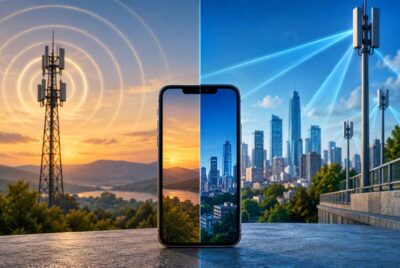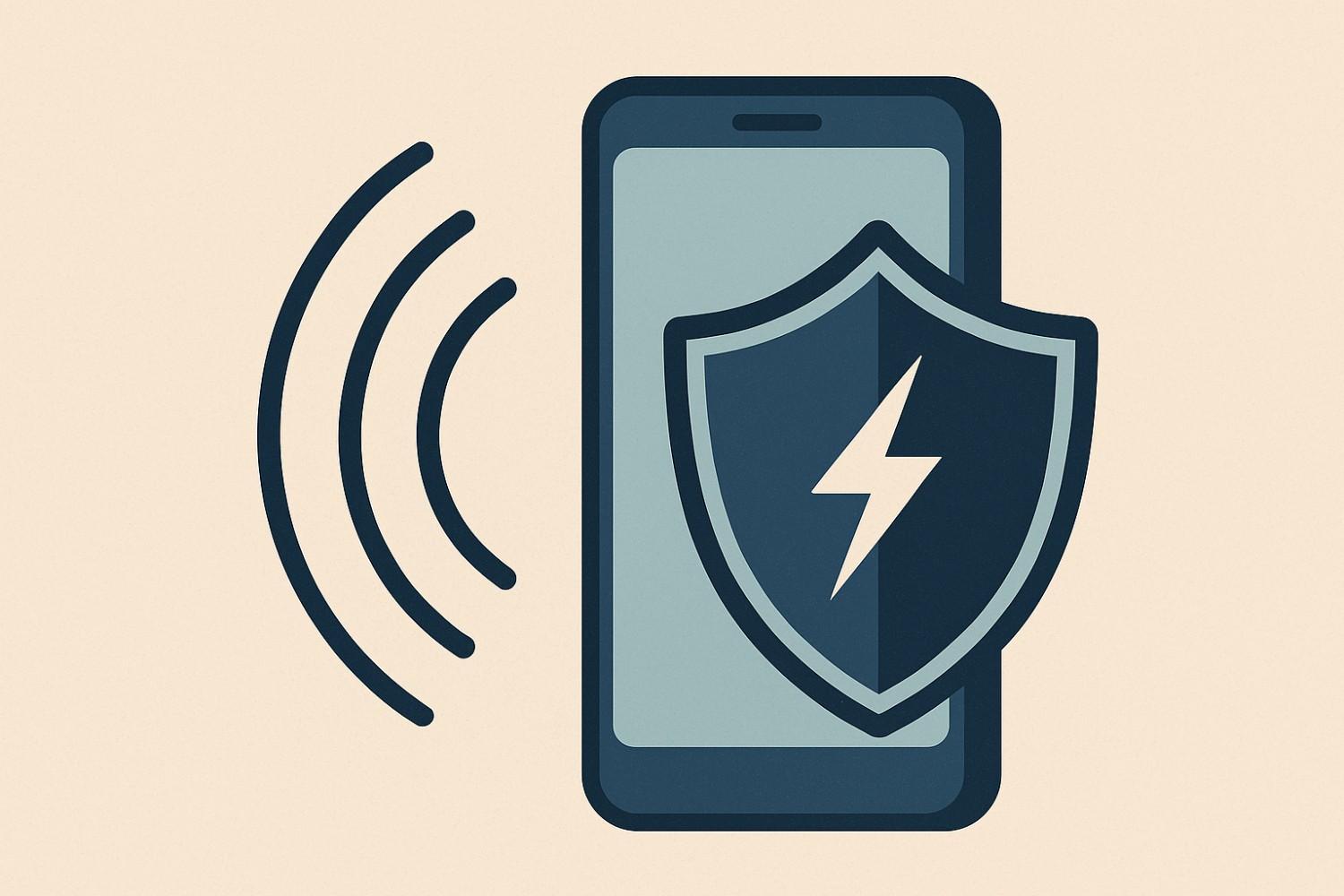
Electromagnetic radiation is one of those things you can’t see, taste, or feel – but scientists and consumers are paying attention. Smartphones emit radiofrequency (RF) radiation and electromagnetic fields (EMFs) every time they’re turned on, and with billions of people using them daily (and often carrying them in pockets or near vital organs), the question of how to protect yourself is more pressing than ever.
Enter EMF-blocking phone cases.
These cases claim to reduce your exposure to potentially harmful radiation from your device. But here’s the million-dollar question: do emf blocking phone cases really work? It’s an important question – because if they don’t, millions of people are being misled. And if they do, they might just be one of the most overlooked tools for modern health.
Let’s explore how these cases work, what science says, how DefenderShield stands out, and how to ensure your shield is truly effective.
What Are EMF-Blocking Phone Cases?
Before we get into brand specifics and performance results, it helps to understand what EMF-blocking phone cases actually are and how they’re designed to work. A lot of people confuse them with standard protective phone cases, but the differences are significant and intentional.
Most phone cases focus on physical protection: stopping drops, scratches, and shattered screens. EMF-blocking cases are built to offer radiation protection. They do this by incorporating layers of conductive or shielding materials – like silver mesh, carbon fiber, or metal alloys – to deflect, block, or absorb EMF radiation in specific directions.
How They’re Designed
The shielding layer is typically built into the front cover or one side of the case. That’s because most people carry their phones in bags or pockets – usually with the screen facing their body. An EMF case is designed to act like a directional shield between the phone and your body.
So when you hear people ask “do emf blocking phone cases really work?”, the answer partly depends on how the case is made – and how it’s used.
Do EMF Blocking Phone Cases Really Work?
This is the core question – and fortunately, we can go beyond theory and into science. Critics claim EMF cases are nothing more than “snake oil,” and before exploring the research or test results, some skepticism is understandable. After all, EMFs are invisible. How do you know if something is working if you can’t see it?
The truth lies in understanding how EMFs are measured, and how shielding technology works.
Understanding EMF Emissions
Phones emit two main types of radiation:
- Radiofrequency (RF) radiation – this includes cellular data, 4G/5G, Bluetooth, and WiFi.
- Low-frequency EMFs – primarily generated by the phone’s electrical components and battery.
Decades of research have established that prolonged exposure to certain kinds of radiation – especially near the head or reproductive organs – may pose health risks, including sleep disruption, oxidative stress, and potentially increased cancer risk (according to the International Agency for Research on Cancer).
How EMF Cases Block Radiation
EMF-blocking phone cases use a principle similar to a Faraday cage – an enclosure made of conductive material that blocks electromagnetic fields. While your phone won’t be placed inside a full metal box (it needs to remain usable), that same principle is applied directionally.
Here’s how it works:
- The case blocks or dissipates EMF radiation from the side facing your body.
- It allows radiation to pass freely from the opposite side (so your call, GPS, or apps still function).
- This reduces your body’s exposure to EMFs without disabling the phone.
Independent third-party labs have tested many of these cases using Specific Absorption Rate (SAR) levels – which measure how much radiation the body absorbs – and found significant reductions when the shielded side is used properly.
This is why it’s crucial for users to understand that EMF cases work directionally. If you’re holding your phone in front of your face with the shielded side pointing away from you, you’re defeating the purpose.
When used correctly, the answer to “do emf blocking phone cases really work?” is yes – they reduce radiation exposure by directing emissions away from the body. But effectiveness depends entirely on design quality and proper usage.
Spotlight on DefenderShield Phone Cases
Now let’s look specifically at DefenderShield, a popular and trusted brand in EMF protection. Their cases are highly recommended in the EMF-conscious community because they combine usability with high-end shielding technology.
What Makes DefenderShield Different?
DefenderShield developed and patented a unique technology called Ultra Armor™. This shielding system blocks up to 99% of EMF radiation emitted from cell phones—including 5G frequencies, WiFi, Bluetooth, and more. They use military-grade, multi-layer shielding, which reflects, absorbs, and dissipates radiation.
Their cases are designed for everyday use – meaning they also look like normal designer phone cases. They’re not clunky or unattractive. DefenderShield prioritizes both health and style.
How Their Phone Cases Work
Here’s exactly how the shielding works in a DefenderShield phone case:
- The front flap is the shielding layer – when closed between the phone and your body, it blocks radiation.
- The rest of the phone remains exposed for full functionality.
- The shielding materials are non-toxic and embedded right into the case.
- They protect both RF and ELF (extremely low-frequency) EMFs, which most basic shields don’t cover.
They’ve also been tested using FCC-accredited lab measurements, which means their claims aren’t just marketing – they’re verified scientifically.
Why These Cases Work
Some brands simply line their case with metal and call it EMF protection – that’s not enough. DefenderShield goes beyond just reflection. Their layers use a combination of reflection, absorption, and dissipation to manage radiation output. That’s why, in real-world testing, holding a phone with a DefenderShield case close to your body results in significantly lower EMF readings.
And because their shielding is independent from the phone’s antenna, your signal is affected minimally. You still get great performance – without overexposure to EMFs.
How to Test Whether Your Case Works
That brings us to another important question – how can you know that your case is working?
The good news is, if you’re curious and want to verify results at home, you don’t need lab-grade equipment.
How to DIY Test Your EMF Phone Case
Before you start testing, it’s important to understand that no case blocks 100% of radiation. Your phone needs to function, so shielding is partial and directional. But here’s how to test:
What You’ll Need:
- A basic EMF meter (ideally one that detects radiofrequency)
- Your EMF-blocking case (like DefenderShield)
- A phone actively transmitting (with WiFi or cellular data enabled)
Steps:
- Take a baseline reading – Hold the EMF meter near your phone while in use (with no case).
- Put your case on and take a reading from the shielded side – the meter should detect significantly lower EMF levels.
- Test from the unshielded side to compare – readings will be closer to the original baseline.
For an even better test, shield your phone with the case and put the meter behind the flap – if the case is working, you should see the EMF level drop.
This simple experiment provides real-world proof that shielding is happening – and your exposure is decreasing.
Affiliate Advertisement

Common Misconceptions About EMF Protection Cases
There’s a lot of confusion around EMF-blocking gear, and for good reason – it’s an invisible force. That’s why education is vital. Here are some of the most common misconceptions and the truth behind them:
Misconception #1: EMF Cases Block All Radiation
No product can block EMF entirely – you’d end up with a dead phone. EMF cases reduce EMF exposure on the side that matters most: the one facing your body.
Misconception #2: EMF Cases Are Unnecessary if SAR Values Are Safe
SAR values are outdated and reflect radiation based on a 6-foot tall male body. Real exposure for kids, women, and everyday usage (like holding phones in pockets) is not covered by SAR numbers.
Misconception #3: EMF Blocking Cases Reduce Signal Strength
A good case will protect directionally – not block your antenna. Brands like DefenderShield are designed to protect without noticeably interfering with your phone’s signal.
Misconception #4: It’s Just a Marketing Ploy
This is why lab testing matters. DefenderShield and a handful of other brands back their shielding claims with independent, FCC-verified lab reports. Always look for those third-party results.
Alternatives to EMF Phone Cases
Even the best EMF case is only one part of your EMF protection strategy. Let’s look at other effective ways you’d reduce exposure in your daily routine:
- Keep your phone away from your body whenever possible. Use speakerphone or air-tube headsets.
- Don’t sleep with your phone near your head.
- Turn off wireless connections when not in use. Airplane mode at night is a great habit.
- Limit usage in places with weak signal. More EMF is emitted when your phone “struggles” to connect.
A combination of smart habits plus an EMF-blocking phone case offers your best chance to reduce exposure while still living in the 21st century.
Affiliate Advertisement
FAQs: Do EMF-Blocking Phone Cases Really Work?
Do EMF phone cases block 5G?
Yes – good ones do. DefenderShield, for example, is certified to block all frequencies, including 5G bands.
Will the case stop EMF if it’s open?
No. The shield only works when it’s between your body and the phone. Always close the flap when storing it against your skin.
Can I still get a signal if the case blocks EMF?
Yes. The shielding technology is directional. Signal passes freely through the unshielded parts of your phone.
Are EMF cases better than EMF stickers?
Absolutely. Stickers don’t cover enough area or reflect radiation effectively. Full-layer shielding in a case offers far more protection and consistency.
Will my phone overheat in an EMF case?
No. Cases like DefenderShield dissipate heat effectively.
Conclusion: Do EMF Blocking Phone Cases Really Work?
So after all the research and testing – do emf blocking phone cases really work? The answer is yes, when they’re made well and used correctly.
Not all cases are equal, but technology from companies like DefenderShield is based on military-grade shielding and verified by independent lab testing. When the protective layer faces your body, these cases dramatically reduce your exposure to everyday radiation from smartphones.
If you’re concerned about EMF exposure but still want to stay connected, an EMF-blocking case isn’t just an accessory – it’s one of the smartest investments you can make for your long-term health.
Before You Go…
Get Weekly EMF Protection Tips
Enjoy this article? Join the EMFLuLu newsletter for simple weekly tips to reduce everyday EMF exposure from phones, WiFi routers, laptops, and smart home devices.
Try Our Free EMF Calculators
Curious how much EMF exposure you may experience each day?
These simple tools can help you estimate your exposure and identify possible problem areas in your home.
Try these free calculators:
Like this article? Pin it on Pinterest!

More to Explore