If you’re worried about the invisible waves from Wi-Fi routers, smart meters, and cell towers entering your home, you’re not alone. EMF (electromagnetic field) radiation is an increasing concern, especially for those who are sensitive to it or live near multiple EMF sources. While there are plenty of commercial products out there, many are pricey and lack that personal touch. That’s where learning how to sew EMF blocking curtains at home comes in.
Whether you’re looking to protect your baby’s nursery, your bedroom, or a home office, sewing your own curtains allows for customization, savings, and confidence in knowing exactly what’s going into your space. This guide will show you exactly how to sew EMF blocking curtains at home with simple tools and techniques. You don’t need to be a professional tailor – just willing to follow some basic steps and have the right materials on hand.
By the end of this guide, you’ll know how to sew EMF blocking curtains at home, where to find the right fabric, and how to hang them effectively to block harmful radiation.
Why Block EMF in the First Place?
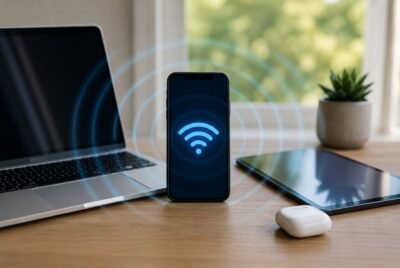
Our homes are filled with invisible energy fields. Everything from wireless internet to Bluetooth speakers emits EMF radiation. While research continues on the long-term effects, many people report symptoms like sleep disruption, fatigue, and headaches when exposed to EMFs for extended periods – especially in sleeping areas.
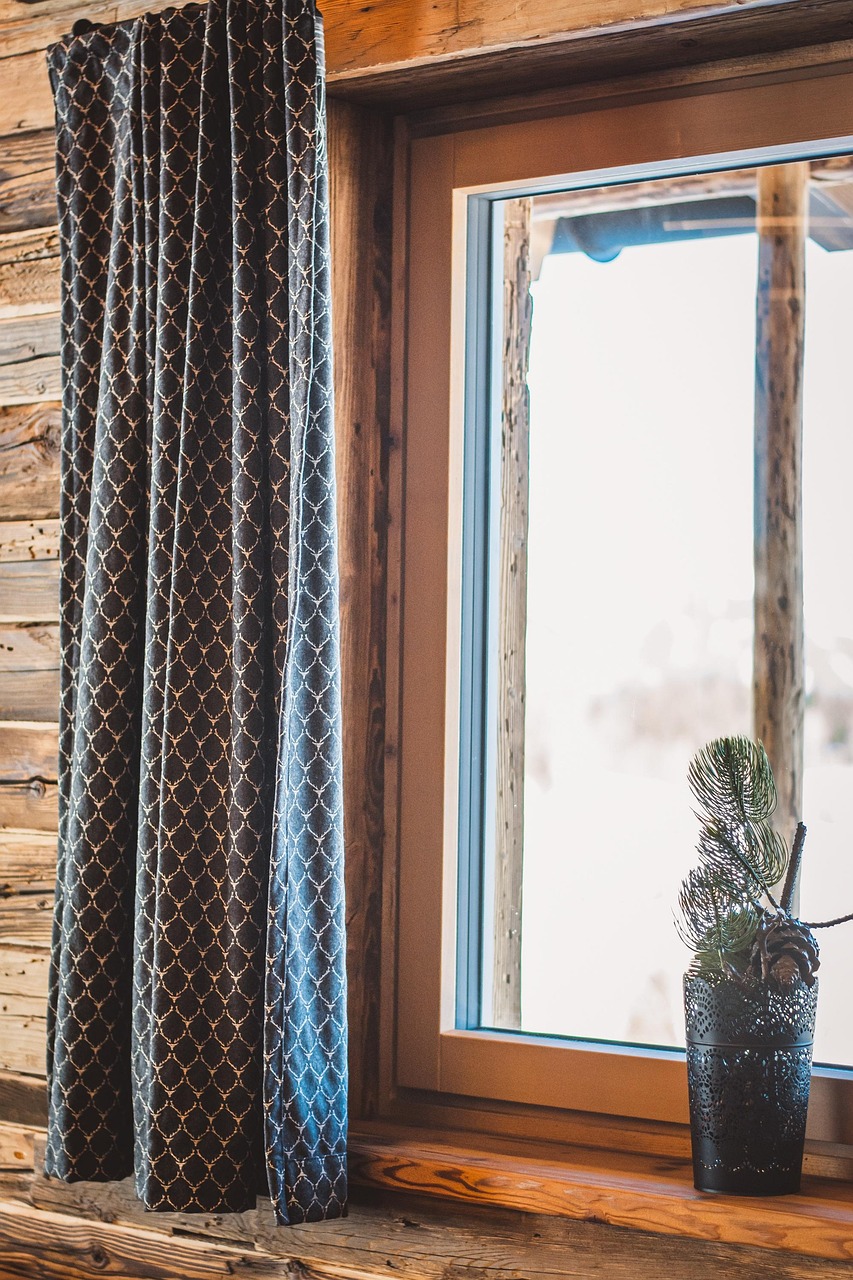
Windows are a weak point in your home’s EMF defense. EMFs can easily pass through glass, especially high-frequency radiation from 5G and Wi-Fi. Curtains made from shielding fabric offer an affordable way to create a barrier, especially when they’re sewn to your exact dimensions and hung correctly.
How EMF Blocking Curtains Work
Before jumping into the DIY section, it’s important to understand how EMF curtains work. Shielding fabrics are typically infused with conductive materials like silver, copper, nickel, or stainless steel. These materials reflect and absorb EMF waves, creating a kind of “Faraday cage” effect when used properly.
Unlike blackout curtains that block light, EMF shielding curtains are designed to block specific frequencies of electromagnetic radiation. A high-quality EMF curtain can reduce exposure by 90% or more, depending on the fabric and installation.
Affiliate Advertisement
What You’ll Need: Materials and Tools
Before you start sewing, it’s essential to gather the right tools and supplies. Don’t worry – most of what you’ll need is available online or at your local craft store. Here’s an overview of what you’ll need and why.
Introductory Note:
This list is tailored for people who may be sewing for the first time or who want to avoid specialized industrial gear. Think of it like preparing for a simple home project – accessible, budget-friendly, and customizable.
Materials List:
- EMF Shielding Fabric – Choose a material like Swiss Shield, Aaronia Silver-Tulle, or BlocSilver. These fabrics typically contain woven silver or other conductive threads.
- Cotton or Linen Lining (Optional) – To improve aesthetics and durability. Acts as a second layer, protecting the delicate shielding fabric.
- Sewing Machine – Any standard home sewing machine will work. A zigzag stitch is recommended for shielding fabrics.
- Thread – Polyester or nylon thread holds up better with metallic fabrics.
- Measuring Tape – To measure window dimensions and cut your fabric accordingly.
- Pins or Fabric Clips – For holding fabric layers in place.
- Fabric Scissors – Shielding fabric can dull scissors, so use an older pair or dedicated ones.
- Iron and Ironing Board – For pressing seams.
- Curtain Grommets or Rings – Depending on how you want to hang the curtains.
- Optional: Grounding Cord – Some shielding fabrics allow for grounding to reduce electric fields, though this is not required for high-frequency protection.
Step-by-Step Guide – How to Sew EMF Blocking Curtains at Home
This is where the magic happens. You don’t need to be an expert sewer to follow this guide. We’ll break it down into manageable steps. This process can take 2–4 hours depending on how large your curtains are and your sewing experience.
- Measure Your Window (and Then Add More)
Start by measuring the full height and width of your window. For maximum EMF protection, make sure your curtain extends:
- 6–12 inches above the window frame
- 6–12 inches below
- At least 4 inches on each side
This overlap prevents EMF waves from sneaking around the edges. Multiply your window width by 1.5 to 2 for a nice gathered look and better coverage.
- Cut the Fabric
Lay out your EMF shielding fabric on a flat surface. If you’re using a liner fabric for aesthetics or insulation, cut it to the same size.
Be gentle with shielding fabrics—some are delicate due to the fine metal threads woven into them. Avoid pulling or stretching.
- Pin and Sew the Layers
Place the optional lining fabric behind the shielding fabric, with the outer sides facing out. Pin around the perimeter to hold both layers together.
Use a zigzag stitch along all sides. This stitch type helps the fabric move slightly while still holding everything firmly, which is important because EMF shielding fabrics don’t stretch like cotton.
Sew with a 1/2-inch seam allowance and go slowly – metallic fabrics can be a bit stiff.
- Add Curtain Header Style
You can choose from three common header types:
- Rod Pocket – Fold the top over by about 3 inches and sew, leaving a tube for the curtain rod.
- Grommets – Use a grommet tool to install evenly spaced holes.
- Clip Rings – Attach clip rings to the top seam for an easy, no-fuss method.
Each of these has its pros. Rod pockets and grommets offer more secure sealing, which improves shielding. Clip rings are easy but may leave small EMF gaps.
- Press and Finish
Use a warm iron (check fabric instructions first – some shielding materials should not be ironed directly). Press all the seams and folds to create a crisp, professional look.
If your fabric allows for grounding and you want to reduce electric fields (ELF), now is the time to attach the grounding clip to the curtain edge. The other end plugs into a grounded outlet. Note: This is optional and mainly applies to shielding against lower-frequency electric fields.
- Hang the Curtains
Install the curtain rod above the window – remember that higher placement equals better coverage.
Once the curtains are up, test the seal around the edges. If light gets through, so can EMF. You can use Velcro strips or magnetic tape along the edges to help the curtain stick to the wall and block side leaks.
Affiliate Advertisement
Tips to Maximize EMF Shielding Effectiveness
Just hanging a shielding curtain isn’t always enough – little gaps can allow EMF to enter. Here are tips to ensure your curtain actually works:
Introductory Note:
The effectiveness of EMF shielding curtains depends heavily on installation and usage. These tips help turn your DIY curtain into a high-performance EMF shield.
- Use side magnets or Velcro strips to seal curtain edges against the wall.
- Double layer your curtain with a decorative liner for extra durability and improved insulation.
- Avoid washing shielding fabrics often, as some may degrade with repeated laundering. Use a damp cloth instead.
- Pair with shielding window film for layered protection.
- Test with a basic EMF meter before and after hanging the curtain to check results (many are available online for under $50).
Where to Buy EMF Shielding Fabric
You can find high-quality EMF fabric at several reputable sources:
- LessEMF.com – Offers a wide variety of EMF fabrics and grounding accessories.
- EMFProtection.com – European-based with international shipping.
- Aaronia USA – Focuses on technical-grade shielding materials.
- DefenderShield.com – Industry leader in EMF protection, offering science-backed cases, shields, and wearables.
When shopping, look for dB ratings. A higher decibel (dB) rating means more shielding. For example, 30–40 dB of attenuation at 1 GHz is considered effective for home use.
Also, consider the fabric’s look and feel. Some are sheer (like Swiss Shield), while others are heavy-duty and industrial in appearance. Choose based on the room you’re decorating.
Conclusion: A Practical and Powerful DIY Project
Learning how to sew EMF blocking curtains at home is more than a crafty weekend project – it’s a step toward creating a safer, healthier environment. With just a few hours, basic sewing tools, and the right fabric, you can dramatically reduce EMF radiation in your living space.
Plus, you’ll save money over buying pre-made solutions and get the satisfaction of building something with your own hands. Whether for a baby’s room, bedroom, or office, these DIY curtains can be a game-changer.
Before You Go…
Get Weekly EMF Protection Tips
Enjoy this article? Join the EMFLuLu newsletter for simple weekly tips to reduce everyday EMF exposure from phones, WiFi routers, laptops, and smart home devices.
Try Our Free EMF Calculators
Curious how much EMF exposure you may experience each day?
These simple tools can help you estimate your exposure and identify possible problem areas in your home.
Try these free calculators:
Like this article? Pin it on Pinterest!

More to Explore