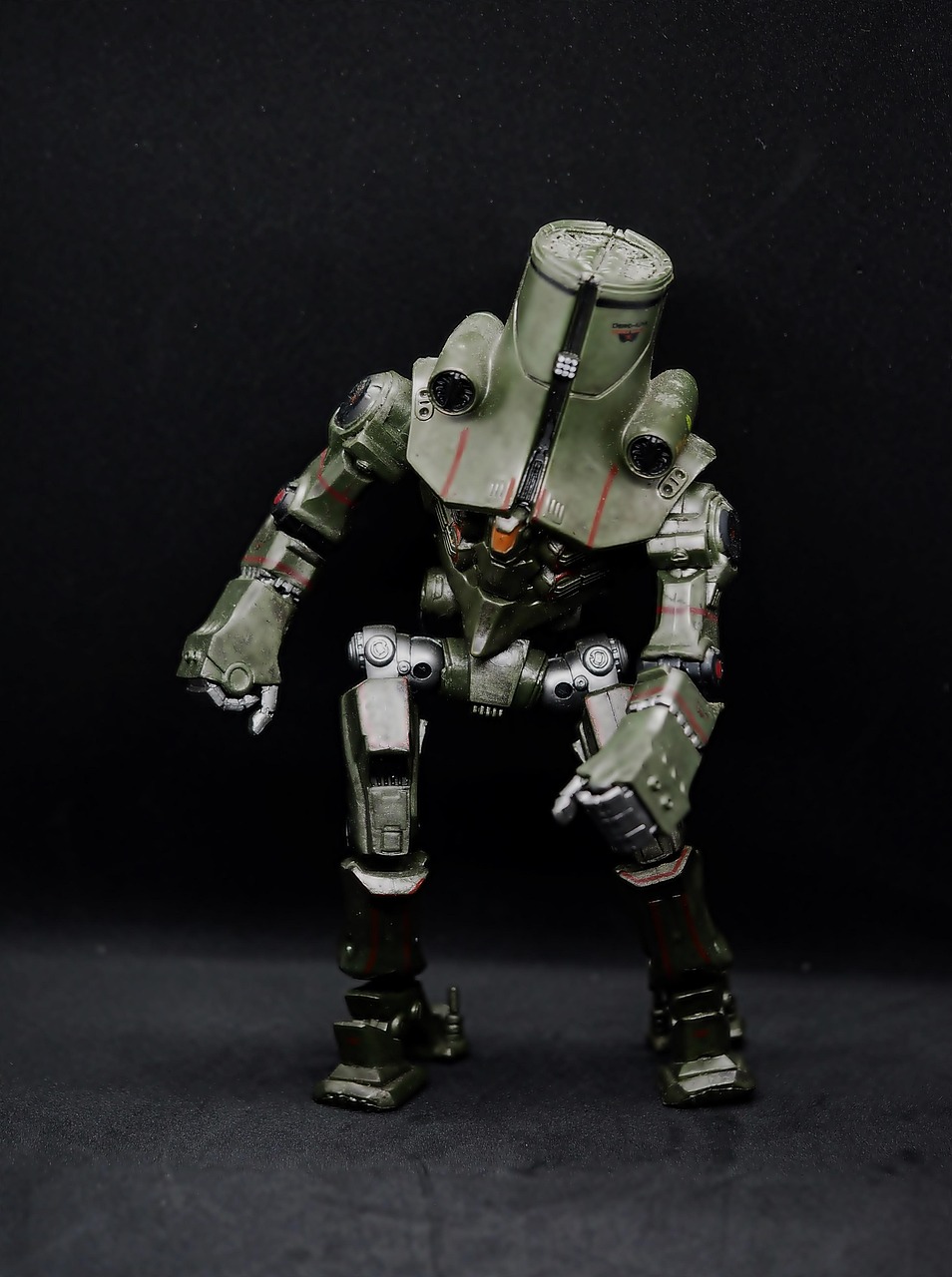
In today’s wireless world, even playtime isn’t completely free from electromagnetic fields (EMFs). From Bluetooth-connected toys to WiFi-enabled tablets, many devices designed for children quietly emit radiation that parents may not even realize. That’s why so many families are searching for EMF-free toys for toddlers and preschoolers – safe, developmental options that let kids learn and play without constant exposure to electromagnetic signals.
The good news is that going EMF-free doesn’t mean going tech-free. There are countless engaging toys and even smart-type devices that use creative, non-wireless designs. In this guide, we’ll walk through why EMF-free play matters, what to look for in truly safe gadgets, examples of toys and activities to consider, and how products from DefenderShield and EMF-Harmony can make your child’s environment even safer.
Why Choose EMF-Free Toys for Young Children
Young children’s bodies and brains are still developing, and their thinner skulls and faster cell growth make them more susceptible to environmental factors – including electromagnetic fields. Studies have shown that EMFs from wireless devices penetrate deeper into a child’s head than an adult’s. Toddlers and preschoolers also spend hours near low-level emitters like tablets, monitors, and smart toys.
While no one can completely eliminate exposure, reducing it – especially during early development – can help minimize potential risks. Choosing EMF-free toys for toddlers and preschoolers is one of the easiest and most effective ways to do that.
Beyond safety, there’s another major benefit: better engagement. EMF-free play encourages hands-on creativity, physical movement, and imagination – all essential for brain development and motor skills. Instead of relying on wireless gadgets for entertainment, children explore cause-and-effect, problem-solving, and real-world curiosity.
Finally, many EMF-free toys are also eco-friendly and more durable. They’re built from natural materials like wood, cotton, or cardboard rather than plastic electronics. This creates a cleaner, simpler play space – and peace of mind for parents.
What to Look For in EMF-Safe Playthings
Before choosing toys or gadgets, it helps to know what features to look for. Many products claim to be “low-radiation” or “non-wireless,” but that doesn’t always mean EMF-free. Below are key criteria – and how to verify them – so you can make confident choices.
- No WiFi or Bluetooth Connectivity
Start by avoiding toys that rely on wireless communication. This includes Bluetooth speakers, WiFi-enabled learning tablets, and smart dolls that connect to the internet.
How to check:
- Read the product box or online listing for “Bluetooth,” “WiFi,” or “wireless connectivity.”
- If you already own the toy, turn it on and look for a small light or network icon that indicates it’s searching for a connection.
- When possible, choose toys that are battery-powered and do not sync with phones or apps.
- Battery-Operated or Manual
Some smart-type toys are powered by batteries but don’t connect wirelessly. These can be a great middle ground – offering light, motion, or sound without EMF signals.
Example: A toy robot that walks and makes sounds when you press buttons, but doesn’t connect via Bluetooth.
Tip: Remove batteries when not in use to prevent background currents.
- Analog and Mechanical Play
Classic toys like puzzles, blocks, and musical instruments are naturally EMF-free. They stimulate learning without screens.
How to test for EMF safety:
- Bring an EMF meter (if you have one) near the toy while it’s active. Analog toys will show no measurable reading.
- For families without meters, you can safely assume anything without circuitry or power cords is EMF-free.
- Shielding for the Play Environment
Even EMF-free toys can be used in rooms with high background radiation. That’s where products from EMF-Harmony and DefenderShield come in:
- DefenderShield Shielding Fabric can line a wall or play tent, reducing ambient EMF exposure by up to 99%.
- Age-Appropriate and Developmental
Select toys that match your child’s stage of learning. For toddlers, focus on sensory and motor skills. For preschoolers, introduce problem-solving and early STEM concepts using non-wireless kits and puzzles.
Examples of EMF-Free Toys and Gadgets
Below is a list of toy types that encourage development and imagination while keeping EMF exposure at a minimum. Before listing, let’s describe what makes these categories special:
This collection focuses on toys that foster learning, motor development, and creativity without relying on wireless technology. Each example can be found in traditional toy stores or online and can be enhanced with optional EMF-reduction accessories.
- Wooden and Natural Material Toys
These are among the best emf free toys for toddlers and preschoolers because they are simple, safe, and tactile.
Examples:
- Wooden building blocks – Encourage stacking, color recognition, and spatial learning.
- Shape sorters – Develop hand-eye coordination and pattern recognition.
- Pull-along animals or cars – Help with balance and coordination while walking.
How to make them safer:
- Store them in a part of the home farthest from the router or smart TV.
- Use an EMF-Harmony fabric mat under the play area to limit background radiation.
- Screen-Free Smart-Type Devices
You can still include a few “smart” toys—just choose those that don’t transmit signals.
Examples:
- Pre-programmed story boxes that use local audio chips (not Bluetooth or WiFi).
- Interactive sound books powered by replaceable batteries.
- STEM kits that rely on magnetic or mechanical functions instead of wireless sensors.
How to use them safely:
- Keep play sessions short (15–30 minutes) and store the toy in an EMF-protected box or fabric bag when not in use.
- Use DefenderShield’s EMF Shielding Blanket nearby if the toy includes electronic components.
Affiliate Advertisement

- Artistic and Creative Play
Arts and crafts are naturally EMF-free and essential for cognitive development.
Examples:
- Finger painting sets made from non-toxic, natural pigments.
- Recyclable cardboard construction kits (like “Makedo” sets).
- Play-dough or modeling clay kits for tactile creativity.
- Outdoor and Movement-Based Toys
Outdoor play drastically lowers EMF exposure while promoting physical health.
Examples:
- Balance bikes, sandbox sets, or gardening kits for small hands.
- Parachute play mats or foam ball sets for teamwork and motion.
Tip: Even “walkie-talkie” toys emit EMFs, so choose non-radio outdoor play instead. Pair outdoor play with DefenderShield EMF-Shielded Beanie or Cap for parents supervising near phone-towers or busy areas.
Affiliate Advertisement
Setting Up an EMF-Safe Playroom
Even if every toy you buy is EMF-free, the playroom itself may still be surrounded by wireless sources. Creating a safer environment is the final step toward a true low-EMF zone.
Here’s how to do it effectively and practically:
- Relocate Wireless Devices – Move WiFi routers, smart speakers, and cordless phone bases to the far side of the home. Ideally, keep them at least 10 feet from where children play.
- Use Shielding Products
- Switch to Wired Connections – If your child uses any educational tablet, consider connecting it via an Ethernet adapter and disabling WiFi and Bluetooth in the device’s settings.
- Set a “Device-Free” Zone Rule – Create a house rule: no phones, laptops, or smartwatches in the playroom. Keep charging stations outside the room.
- Nighttime Safety – EMFs can interfere with sleep. Turn off the router at night.
By making these adjustments, you’ll not only enhance EMF safety but also promote calmer, more focused playtime.
Smart-Type Devices Without EMFs
Parents sometimes want interactive learning tools that still feel modern. While true “smart” devices without EMFs are rare, several creative options exist:
- Pre-loaded music boxes or story readers – These play songs or stories stored on internal chips, requiring no Bluetooth or WiFi.
- Motion-sensor toys – Some detect movement through infrared (not radio waves).
- Solar-powered educational gadgets – Power from sunlight instead of wired electricity.
How to identify them: Look for product specs that say “no connectivity required” or “works offline.” When in doubt, search for analog STEM toys or “non-wireless learning devices.”
Conclusion
Choosing emf free toys for toddlers and preschoolers is a simple yet powerful way to support your child’s healthy growth in a wireless world. By selecting non-wireless playthings, organizing an EMF-safe environment, and using protective tools from DefenderShield and EMF-Harmony, you can reduce exposure without sacrificing fun or learning.
Encourage creativity with natural toys, include the occasional smart-type gadget that runs without wireless emissions, and keep the play area shielded and organized. The result is a balanced environment where your child’s imagination flourishes – without invisible interference.
Before You Go…
Get Weekly EMF Protection Tips
Enjoy this article? Join the EMFLuLu newsletter for simple weekly tips to reduce everyday EMF exposure from phones, WiFi routers, laptops, and smart home devices.
Try Our Free EMF Calculators
Curious how much EMF exposure you may experience each day?
These simple tools can help you estimate your exposure and identify possible problem areas in your home.
Try these free calculators:
Like this article? Pin it on Pinterest!


More to Explore