
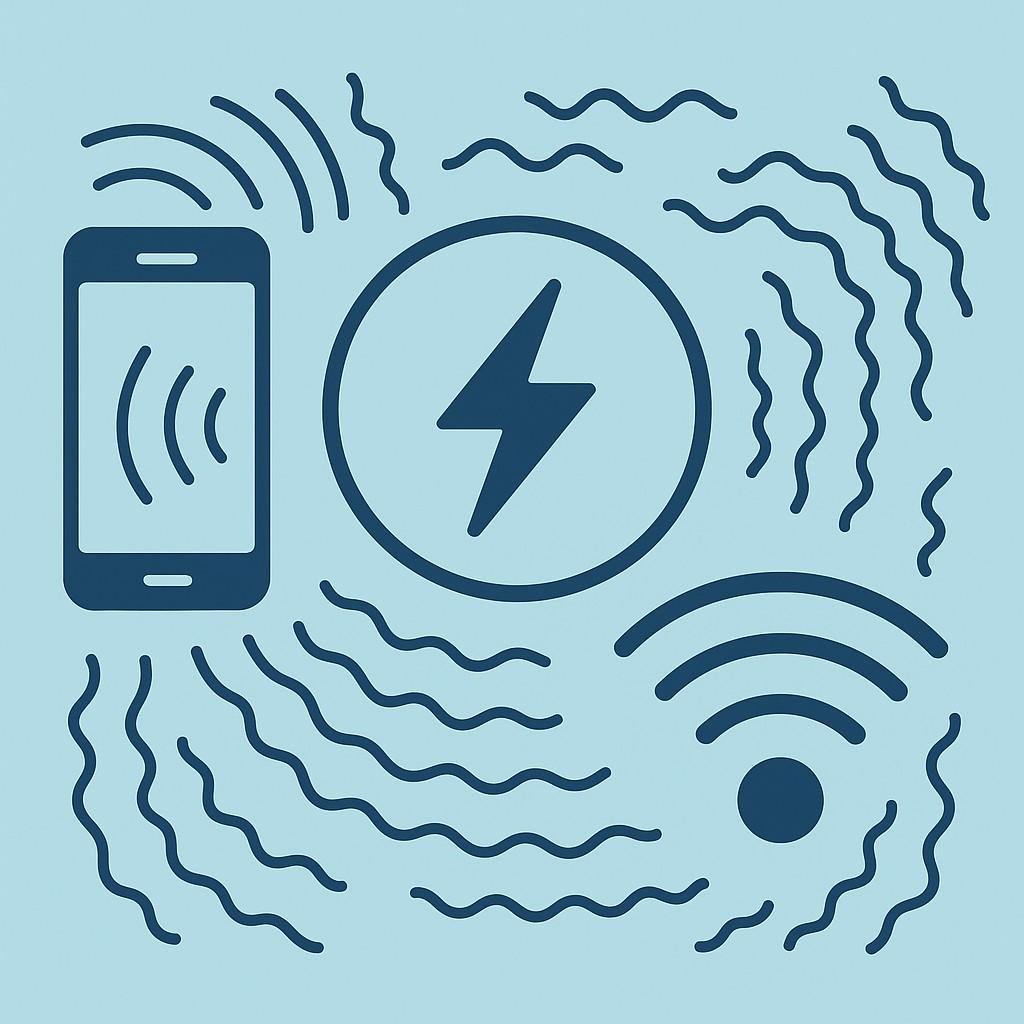
In recent years, more people have begun questioning the invisible forces surrounding modern life – especially the constant presence of wireless technology. Smartphones, WiFi routers, Bluetooth devices, smart appliances, and cellular towers have become unavoidable, and for some individuals, this rise in exposure coincides with troubling physical symptoms. This leads many people to ask a very direct and personal question: is EMF sensitivity recognized by doctors?
For those experiencing headaches, fatigue, sleep disturbances, or unexplained discomfort they believe may be connected to electromagnetic fields (EMFs), the lack of clear medical answers can feel frustrating or even invalidating. This article takes a careful, evidence-based, and compassionate look at what mainstream medicine currently says about EMF sensitivity, why recognition is complicated, and how individuals can navigate this topic responsibly without fear or misinformation.
What Is EMF Sensitivity?
Before discussing medical recognition, it’s important to understand what people generally mean when they talk about EMF sensitivity. EMF sensitivity is often used as a non-medical term to describe a collection of physical symptoms that individuals associate with exposure to electromagnetic fields generated by electronic devices and wireless technologies.
These symptoms vary widely from person to person and may fluctuate depending on environment, stress levels, and lifestyle factors. Because there is no single biological marker or standardized diagnostic test, EMF sensitivity is not defined as a specific disease in conventional medicine. Instead, it is commonly grouped under the term electromagnetic hypersensitivity (EHS) in scientific literature.
Importantly, describing these symptoms does not automatically imply a confirmed cause. Medicine distinguishes between reported experiences and proven mechanisms, and this distinction lies at the heart of the recognition debate.
Commonly Reported Symptoms Associated With EMF Sensitivity
People who identify as EMF sensitive often report overlapping symptoms that affect daily functioning. Before listing them, it’s helpful to clarify that these symptoms are real experiences for those affected – even when the underlying cause remains uncertain.
Commonly reported symptoms include:
- Persistent headaches or pressure sensations
- Chronic fatigue or sudden energy crashes
- Brain fog or difficulty concentrating
- Sleep disturbances or unrefreshing sleep
- Tingling, burning, or skin sensations
- Increased irritability or nervous system sensitivity
These symptoms are not unique to EMF exposure and can also occur with stress disorders, sleep deprivation, anxiety, hormonal imbalances, or environmental triggers. This overlap is one reason medical recognition is so complex.
Is EMF Sensitivity Recognized by Doctors Today?
To answer the central question directly: is EMF sensitivity recognized by doctors as a formal medical diagnosis? At present, the answer is no – EMF sensitivity is not officially recognized as a standalone medical condition by most major medical organizations.
However, this does not mean doctors believe symptoms are imaginary or fabricated. Instead, it reflects how modern medicine requires consistent, measurable evidence before establishing a diagnosis. For a condition to be formally recognized, it typically must meet several criteria:
- A clear biological mechanism
- Consistent findings across controlled studies
- Objective diagnostic markers
- Predictable responses to treatment
EMF sensitivity has not yet met these standards in clinical research, which is why it remains outside standard diagnostic manuals. This distinction is often misunderstood and can create tension between patients and healthcare providers.
What Major Health Organizations Say About EMF Sensitivity
Large health organizations play a significant role in shaping medical consensus. Their positions help explain why EMF sensitivity remains unrecognized at the diagnostic level.
The World Health Organization (WHO), for example, acknowledges that people report real symptoms associated with EMF exposure. However, their reviews of controlled studies have not established a consistent causal link between everyday EMF exposure and these symptoms under blinded conditions.
Similarly, public health agencies generally state that:
- Symptoms are genuine and distressing
- Scientific studies have not demonstrated a reproducible biological cause linked specifically to EMFs
- Psychological and environmental factors may contribute
These conclusions are not final judgments but reflections of current evidence. Medical guidelines are updated when new, high-quality research emerges.
Why Many Doctors Remain Skeptical
Understanding medical skepticism requires looking at how doctors are trained to evaluate health conditions. Skepticism in this context does not mean dismissal – it means caution.
Doctors often hesitate to label EMF sensitivity as a diagnosis because:
- There is no standardized test to confirm it
- Symptoms vary widely and overlap with many other conditions
- Double-blind studies have not shown consistent EMF-specific effects
- Treatment protocols are unclear
Additionally, physicians are trained to rule out serious or treatable conditions first. Headaches, fatigue, and sleep problems can stem from dozens of causes, many of which require medical attention. This diagnostic process can feel frustrating to patients who strongly believe EMF exposure is the root issue.
Affiliate Advertisement

Why Patients Still Feel Something Is Wrong
Even though EMF sensitivity is not formally recognized, the experiences reported by individuals should not be dismissed lightly. The gap between scientific evidence and lived experience is real and deserves thoughtful discussion.
People experiencing ongoing symptoms often feel:
- Their concerns are minimized
- They are not being heard
- Traditional tests don’t explain their discomfort
Modern life places unprecedented demands on the nervous system. Constant notifications, artificial lighting, poor sleep hygiene, stress, and environmental noise all contribute to nervous system overload. For some individuals, EMF exposure may feel like the final stressor in an already overwhelmed system.
Validation does not require assigning a diagnosis – it requires acknowledging discomfort and seeking ways to improve quality of life.
Are There Doctors Who Take EMF Sensitivity Seriously?
Although EMF sensitivity is not formally recognized, some healthcare practitioners approach the topic with openness and caution. These providers often focus less on labels and more on symptom management and nervous system health.
Practitioners who may be more open include:
- Functional medicine doctors
- Integrative medicine providers
- Environmental health specialists
Before listing how they approach care, it’s important to note that these practitioners generally do not claim EMF sensitivity is definitively proven. Instead, they focus on supporting the body and reducing overall stressors.
Their approach may include:
- Evaluating sleep quality and circadian rhythm
- Supporting stress regulation
- Reducing unnecessary environmental exposures
- Encouraging lifestyle changes that promote nervous system resilience
This approach can feel more validating for patients while still staying within responsible medical boundaries.
Affiliate Advertisement

Can EMF Reduction Be Helpful Without Official Recognition?
A common question that follows is whether it makes sense to reduce EMF exposure if the condition isn’t recognized. The answer depends on perspective.
Before listing strategies, it’s helpful to frame EMF reduction as precautionary wellness, not fear-based avoidance. Many EMF-reducing practices overlap with general health improvements.
Practical, low-risk steps may include:
- Creating tech-free sleep environments
- Turning off WiFi at night when practical
- Increasing distance between devices and the body
- Reducing screen time before bed
- Improving grounding through outdoor activity
These steps are not treatments for a disease – they are lifestyle adjustments that often support better sleep, lower stress, and improved focus regardless of EMF concerns.
How to Talk to Your Doctor About EMF Concerns
Navigating conversations with healthcare providers can be challenging, especially when opinions differ. The goal is collaboration, not confrontation.
Before listing suggestions, it’s important to understand that doctors respond best to symptom-based discussions rather than theoretical debates.
Helpful ways to approach the conversation include:
- Describing specific symptoms and when they occur
- Keeping a symptom journal over time
- Asking for help improving sleep, stress, or energy levels
- Being open to ruling out other conditions
This approach increases the likelihood of productive support while maintaining credibility and trust.
Is EMF Sensitivity Recognized by Doctors? Final Thoughts
So, is EMF sensitivity recognized by doctors? At this time, it is not formally recognized as a medical diagnosis by mainstream medicine. However, this does not mean symptoms are imaginary or unimportant. It means science has not yet established a clear, measurable mechanism linking everyday EMF exposure to a distinct medical condition.
Medical understanding evolves. Many conditions once dismissed were later better understood through improved research tools and long-term study. Until then, the most responsible approach combines evidence-based caution, respect for personal experience, and practical steps that support overall wellbeing.
For those navigating EMF concerns, the goal should not be fear – it should be balance, awareness, and informed decision-making.
Before You Go…
Get Weekly EMF Protection Tips
Enjoy this article? Join the EMFLuLu newsletter for simple weekly tips to reduce everyday EMF exposure from phones, WiFi routers, laptops, and smart home devices.
Try Our Free EMF Calculators
Curious how much EMF exposure you may experience each day?
These simple tools can help you estimate your exposure and identify possible problem areas in your home.
Try these free calculators:
Like this article? Pin it on Pinterest!


More to Explore


