If you’ve ever searched online for information about electromagnetic fields, there’s a good chance you’ve come across EMF meters. These handheld devices have become increasingly popular among people who want to better understand the invisible energy produced by electronics, wireless devices, home wiring, and modern technology. The problem is that many explanations quickly become overly scientific and difficult to follow. That’s why this guide focuses on explaining how EMF meters work in plain English without confusing technical jargon.
Many people purchase an EMF meter expecting immediate answers, only to become confused when the readings constantly change or when the device displays unfamiliar units and measurements. In reality, EMF meters are not nearly as complicated as they first appear. Once you understand the basics, these tools become much easier to interpret and use effectively.
In simple terms, EMF meters detect energy fields that are produced by electricity and wireless communication. They translate invisible electromagnetic activity into numbers or visual indicators that people can monitor. Some meters are designed for beginners and measure only one type of field, while others are more advanced and can analyze multiple forms of electromagnetic exposure at once.
Understanding how EMF meters work can help you make more informed decisions about where you place devices in your home, how close you sit to electronics, and which areas may produce stronger EMF activity than others. It can also help remove some of the fear and mystery that often surrounds the topic.
What Is an EMF Meter?
An EMF meter is a device designed to detect and measure electromagnetic fields. These fields are generated whenever electricity flows through wiring or when wireless devices transmit signals through the air.
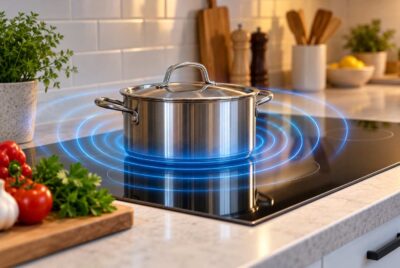
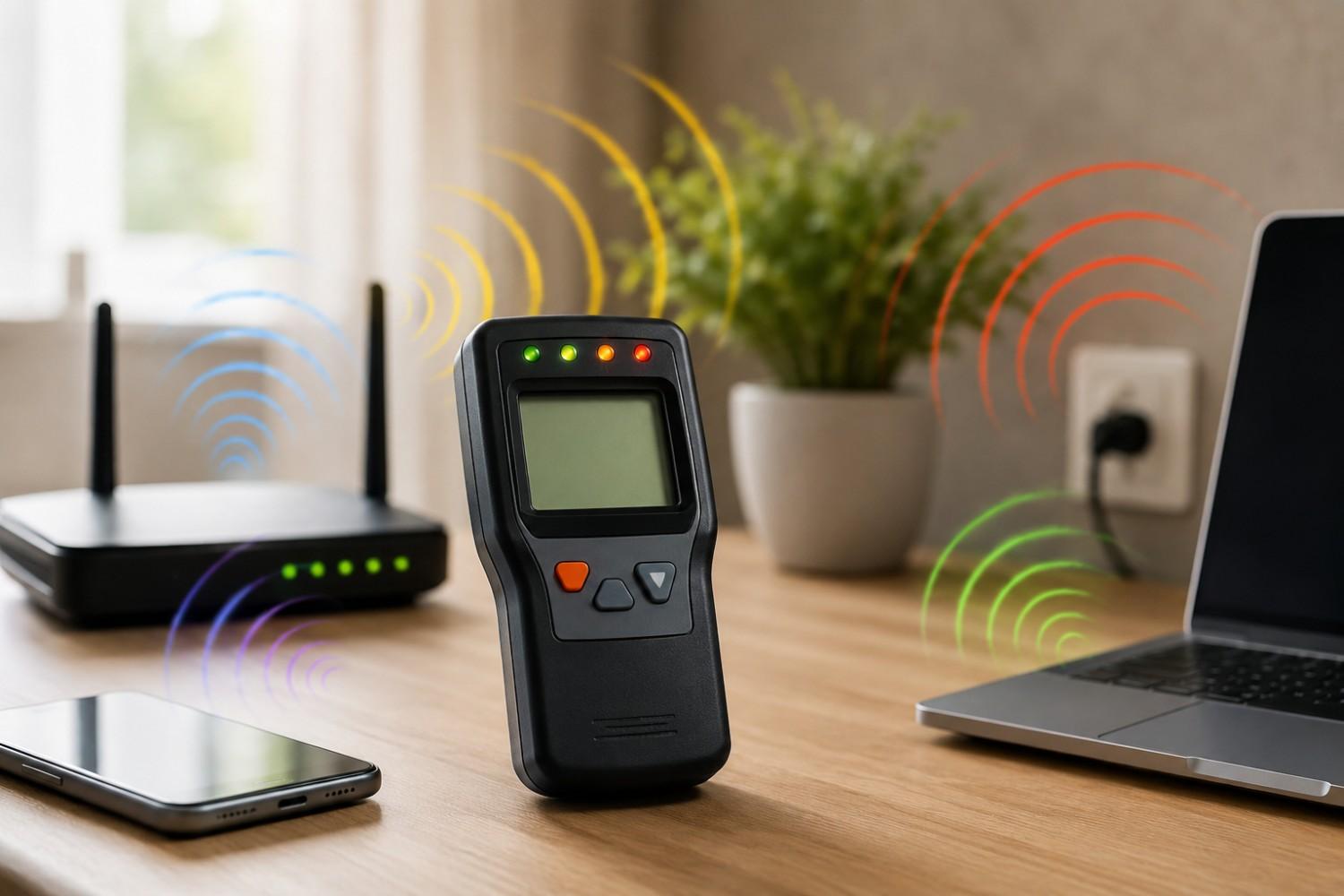
Electromagnetic fields are present in nearly every modern home. WiFi routers, televisions, smartphones, refrigerators, laptops, smart meters, Bluetooth devices, gaming systems, microwave ovens, and even electrical wiring inside walls all produce some level of EMF activity. An EMF meter helps measure the strength of those fields.
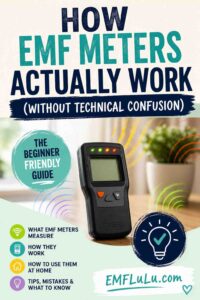
Most EMF meters display readings on a digital screen. Depending on the model, the readings may represent magnetic fields, electric fields, radio frequency radiation, or several categories combined into one device.
One reason EMF meters have become popular is that electromagnetic fields are invisible. You cannot see them, smell them, or hear them. An EMF meter gives people a way to visualize what is happening around the electronics they use every day.
Some meters are extremely simple and designed mainly for casual home use. Others are highly specialized tools used by engineers, electricians, building biologists, or researchers. The average homeowner usually does not need the most expensive or complicated option to learn useful information about their environment.
The Three Main Types of EMFs EMF Meters Detect
Before understanding how EMF meters measure fields, it helps to understand the three primary categories most meters are designed to detect.
Magnetic Fields
Magnetic fields are created whenever electrical current flows through a wire or device. These fields are commonly strongest near motors, appliances, breaker panels, and heavy electrical equipment.
For example, refrigerators, washing machines, air conditioners, and power tools often create stronger magnetic fields than small electronics because they use larger amounts of electrical current.
Magnetic fields are usually measured in units called milligauss (mG) or microtesla (µT).
Electric Fields
Electric fields are slightly different. They exist whenever voltage is present, even if electricity is not actively flowing.
This means that a plugged-in lamp may still create an electric field even when turned off. Electrical wiring inside walls can also generate electric fields throughout parts of a home.
Electric fields are commonly measured in volts per meter (V/m).
Radio Frequency (RF) Radiation
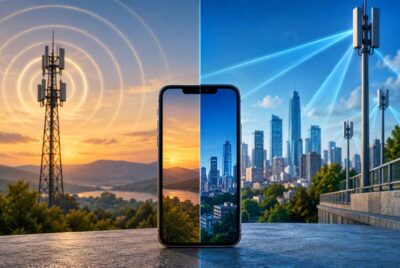
Radio frequency radiation comes from wireless communication technologies. This includes WiFi routers, cell phones, Bluetooth devices, smart watches, smart home systems, and nearby cell towers.
RF radiation tends to fluctuate constantly because wireless devices continuously send and receive information.
RF meters often measure power density using microwatts per square meter (µW/m²) or similar units.
Many modern EMF meters combine all three measurement types into one device, which makes them more convenient for beginners who want an overall picture of their home environment.
How EMF Meters Work in Simple Terms
At the most basic level, EMF meters use internal sensors to detect electromagnetic energy around them. Once detected, the meter converts that energy into readable information displayed on a screen.
A good way to think about this process is to compare it to a thermometer. A thermometer detects temperature changes and converts them into numbers you can easily read. EMF meters do something similar, except they detect electromagnetic activity instead of heat.
Different sensors inside the meter are designed to respond to different kinds of electromagnetic fields. Some sensors detect magnetic fields, while others detect electric fields or radio frequency signals.
When the meter senses electromagnetic activity, it interprets the strength of the field and displays the result numerically. As the field becomes stronger or weaker, the reading changes in real time.
This is one reason people are often surprised when readings constantly move around. EMFs are not perfectly stable. Wireless devices especially tend to produce fluctuating signals rather than steady outputs.
Understanding how EMF meters work becomes easier once you realize the device is simply reacting to energy levels in the surrounding environment. The meter itself is not creating danger or predicting health outcomes. It is measuring activity that already exists nearby.
Why EMF Readings Constantly Change
One of the biggest frustrations for beginners is watching their EMF meter display numbers that rise and fall rapidly. Many people assume this means the meter is broken or inaccurate. In reality, fluctuating readings are completely normal.
Several factors influence EMF measurements.
Distance Matters More Than Most People Realize
Electromagnetic fields weaken rapidly as you move away from the source. Even moving a few feet farther from a device can significantly reduce readings.
For example, a WiFi router may show relatively high readings nearby but much lower levels several feet away.
This is one reason many EMF reduction strategies focus on increasing distance rather than eliminating devices entirely.
Wireless Signals Constantly Change
Wireless devices do not emit perfectly steady signals. Phones, routers, tablets, and smart devices continuously exchange information. As activity increases or decreases, readings may spike or fall.
Streaming video, downloading files, video calls, and gaming can all temporarily increase RF activity.
Household Wiring Influences Measurements
Electrical wiring behind walls can also affect readings. Different rooms may produce different electric field measurements depending on wiring layout and nearby electronics.
Older homes sometimes produce unusual readings because of outdated wiring configurations or grounding issues.
Metal Surfaces and Objects Can Affect Readings
Metal objects sometimes reflect or influence electromagnetic signals. This can occasionally produce inconsistent readings in certain locations.
Because so many factors influence measurements, it is usually better to observe general patterns rather than focus on one isolated number.
Different Types of EMF Meters
Not all EMF meters work the same way. Some are simple entry-level tools while others offer advanced analysis features.
The following categories help explain the differences most consumers encounter when shopping for a meter.
Single-Function EMF Meters
Single-function meters are designed to measure one category of electromagnetic field.
For example:
- magnetic field meters
- electric field meters
- RF radiation meters
These devices are often simpler and easier for beginners to understand because they focus on one specific measurement type.
Multi-Function EMF Meters
Multi-function meters combine several measurement capabilities into one unit.
These are popular because they allow users to evaluate multiple EMF categories without purchasing several separate devices.
One commonly discussed option is the TriField TF2 EMF Meter available on Amazon. This type of meter is frequently recommended because it measures magnetic fields, electric fields, and radio frequency radiation in a relatively beginner-friendly format.
Another respected option is the Safe and Sound Pro II RF Meter from Safe Living Technologies. This model focuses specifically on radio frequency measurements and is often used by people who want more detailed wireless signal analysis.
These products can be useful educational tools when used thoughtfully, though they should not replace professional electrical inspections or medical advice.
Affiliate Advertisement
What EMF Meters Can and Cannot Tell You
One of the most important parts of understanding EMF meters is recognizing their limitations.
EMF meters are measurement tools. They detect electromagnetic activity, but they do not provide direct conclusions about health effects.
They can help users:
- identify stronger EMF sources
- compare rooms or device placement
- observe changes in exposure levels
- test the effects of distance
- locate areas with unusual electrical activity
What they cannot do is diagnose symptoms or determine whether a specific EMF level is “safe” for every individual.
The topic of EMF exposure remains an area of ongoing scientific discussion and research. Because of this, it is important to approach the subject with balance rather than fear.
A good EMF meter should be viewed as an informational tool rather than a device that predicts danger.
Common Beginner Mistakes With EMF Meters
People who are new to EMF testing often make similar mistakes during their first few days using a meter. Understanding these common issues can help create more accurate and less stressful experiences.
Many beginners take one reading and assume it represents permanent conditions. In reality, electromagnetic activity changes constantly depending on device usage, wireless traffic, and electrical demand.
Another common mistake is standing too close to devices while testing. Phones, routers, and laptops may produce stronger readings at very short distances. This does not necessarily reflect typical everyday exposure if those devices are normally kept farther away.
Some people also become overly focused on temporary spikes. Wireless communication naturally fluctuates, so occasional increases are not unusual.
Cheap low-quality meters can sometimes create confusion as well. Extremely inexpensive products may lack proper sensitivity or accuracy.
How to Use an EMF Meter Around Your Home
Using an EMF meter effectively usually involves comparing different locations and devices throughout the home.
Bedrooms are often one of the first places people test because many individuals prefer lower nighttime exposure while sleeping. Testing near alarm clocks, phones, WiFi routers, smart TVs, and electrical panels can help identify stronger sources nearby.
Home offices are another common testing location because laptops, monitors, wireless keyboards, Bluetooth accessories, and routers may all contribute to elevated readings.
Kitchens can also produce noticeable measurements due to refrigerators, microwave ovens, dishwashers, and electrical wiring.
The goal is not necessarily to eliminate all electromagnetic fields. Modern life makes that nearly impossible. Instead, many people use EMF meters to better understand where stronger sources exist so they can make practical adjustments if desired.
Simple changes like increasing distance from routers, reducing unnecessary wireless devices near sleeping areas, or avoiding prolonged close contact with electronics may reduce exposure without dramatically changing daily routines.
Are Expensive EMF Meters Worth It?
For most beginners, extremely advanced professional-grade meters are not necessary.
More expensive models may offer:
- wider frequency ranges
- faster response times
- improved sensitivity
- data logging
- graphing capabilities
- specialized analysis tools
However, these features can also make the device harder to understand for casual users.
A reliable mid-range meter is usually enough for homeowners who simply want to learn more about their environment and identify stronger EMF sources.
The best choice depends largely on personal goals. Someone casually checking bedroom placement needs far less complexity than a professional conducting building inspections.
Final Thoughts on How EMF Meters Work
At first glance, EMF meters can appear complicated and intimidating. The numbers fluctuate constantly, the terminology may seem unfamiliar, and online discussions sometimes create unnecessary confusion. Fortunately, the basic concept is actually fairly straightforward once explained in simple language.
Understanding how EMF meters work mainly comes down to recognizing that these devices detect invisible electromagnetic activity and convert it into readable information. They help users observe patterns, compare environments, and identify stronger EMF sources around the home.
For most people, EMF meters are best used as educational tools rather than fear-based devices. They can encourage greater awareness about electronics, wireless technology, and household energy sources while helping people make practical adjustments that fit their comfort level.
The more familiar you become with using an EMF meter, the easier it becomes to interpret readings calmly and realistically without technical confusion taking over the experience.
Before You Go…
Get Weekly EMF Protection Tips
Enjoy this article? Join the EMFLuLu newsletter for simple weekly tips to reduce everyday EMF exposure from phones, WiFi routers, laptops, and smart home devices.
Try Our Free EMF Calculators
Curious how much EMF exposure you may experience each day?
These simple tools can help you estimate your exposure and identify possible problem areas in your home.
Try these free calculators:
Like this article? Pin it on Pinterest!
More to Explore