
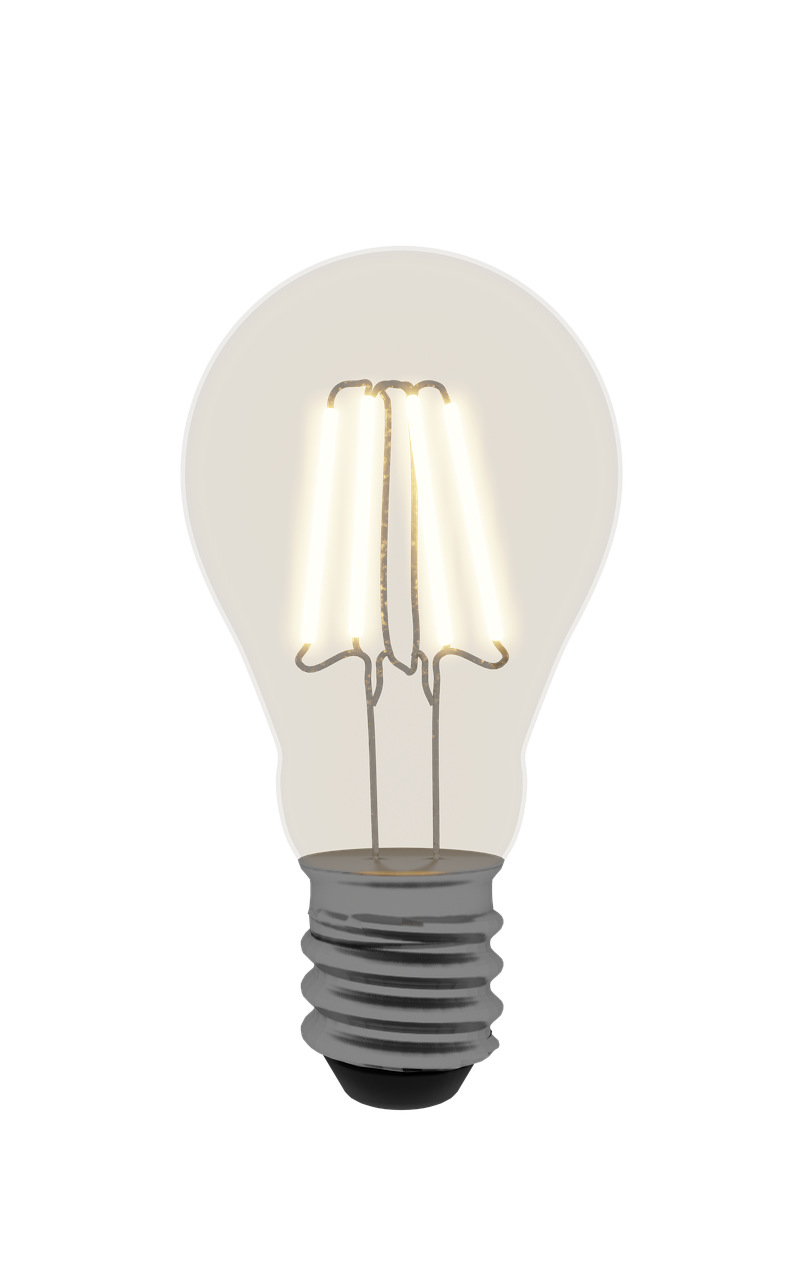
Over the past decade, LED lights have become the go-to choice for homeowners. They’re energy-efficient, last for years, and come in every shape and size imaginable. But as awareness about electromagnetic fields (EMFs) grows, more people are asking a surprising question: can LED lights increase EMF exposure in your home?
It’s a valid concern. EMFs are invisible energy fields produced by everything from Wi-Fi routers to cell phones – and even your lighting system. While LED lights are praised for their efficiency, they also contain electronic components that could generate EMF radiation. Understanding how that happens, how significant it is, and what you can do about it is essential to creating a healthier living space.
In this guide, we’ll break down how LED lights work, what types of EMF they may emit, how they compare to other sources in your home, and most importantly – how to reduce their impact.
A Quick Refresher: What EMF Exposure Means for Your Home
Before diving into LEDs specifically, let’s recap what EMFs are and why they matter. Electromagnetic fields are generated by any device that uses electricity – from major appliances and power lines to your phone charger and smart thermostat. They exist in a spectrum, with extremely low-frequency (ELF) fields at one end (like those from household wiring) and radiofrequency (RF) fields at the other (like Wi-Fi or Bluetooth signals).
Most modern homes are filled with dozens of EMF sources. And while the scientific community continues to study the long-term effects, some people experience EMF sensitivity – with symptoms ranging from headaches and fatigue to difficulty sleeping and brain fog. Even if you’re not sensitive, reducing your cumulative EMF load is considered a smart precaution by many wellness experts.
LED lights might not be the most powerful source in your home, but they’re often closer to your body than routers or cell towers – and that proximity matters. So let’s look at how they generate EMFs in the first place.
How LED Lights Work – and Where EMF Comes From
At first glance, LED bulbs look simple. But inside, they’re mini electronic devices. Unlike old-fashioned incandescent bulbs that just pass electricity through a filament, LEDs require electronic drivers and switching circuits to convert your home’s AC current into the DC current they use to produce light.
Here’s where EMF enters the picture:
- Magnetic and Electric Fields: The driver circuits and transformers inside the bulb create low-frequency electric and magnetic fields as electricity flows and switches.
- Dirty Electricity: Many LEDs use high-frequency switching to regulate power. This can generate small bursts of electromagnetic noise – often referred to as “dirty electricity” – that travels along your home’s wiring.
- Wireless Signals: Smart LED bulbs with Wi-Fi or Bluetooth capabilities add radiofrequency EMF into the mix, the same type emitted by routers and phones.
While these emissions are usually low, the proximity factor is key. A bedside lamp, reading light, or desk lamp is often just inches from your body for hours – making even small EMF contributions more meaningful over time.
Are LED Lights a Major EMF Source? The Science So Far
The good news: standard LED bulbs generally emit much less EMF than major sources like cell phones, Wi-Fi routers, or even microwave ovens. However, “less” does not mean “none,” and the details matter.
- Standard LED bulbs: EMF readings are typically very low, but measurable within a few inches.
- Cheap or poorly designed LEDs: These often lack proper shielding and can emit more dirty electricity.
- Smart bulbs: Add continuous radiofrequency radiation, sometimes pulsing even when “off.”
- Proximity: EMF strength drops off quickly with distance — but many LED fixtures are within 1–2 feet of where we sleep, read, or work.
This is why many people concerned about EMF exposure focus on reducing sources closest to their bodies rather than eliminating every EMF source in the home.
How to Reduce EMF Exposure from LED Lights
Even if LEDs are not your home’s largest EMF source, there’s plenty you can do to minimize their impact without giving up modern lighting. Here’s how:
- Choose High-Quality LED Bulbs
Not all LED bulbs are created equal. Cheap bulbs often cut corners on internal components, increasing the risk of electromagnetic interference.
- Look for bulbs from reputable brands that mention low EMF emissions or EMI shielding in their specs.
- Avoid bargain-bin LEDs with no safety certifications – they’re far more likely to leak dirty electricity into your wiring.
- Limit or Eliminate Smart Bulbs
Smart LED bulbs are convenient, but they emit radiofrequency EMF continuously due to their Wi-Fi or Bluetooth connectivity.
- Replace them with manual LEDs that require no wireless connection.
- If you must use smart bulbs, choose those that allow you to disable wireless features after setup.
- Keep smart bulbs out of bedrooms, where continuous RF exposure may disrupt sleep patterns.
- Be Careful With Dimmers
Dimmers, especially older triac-based models, can generate high levels of dirty electricity.
- Use bulbs compatible with your dimmer, and opt for modern low-EMF dimmers if possible.
- Or skip dimmers altogether and use lamps with multiple brightness settings instead.
- Increase Distance From Your Body
Remember: EMF strength decreases dramatically with distance.
- Place bedside lamps on a nightstand at least 2–3 feet away from where you sleep.
- Position reading or desk lamps slightly farther back rather than directly next to your body.
- Consider wall-mounted lighting to increase separation.
Affiliate Advertisement

Considering Replacements: Lighting Alternatives With Lower EMF
If you’re especially sensitive to EMF or simply want to reduce your exposure as much as possible, you might consider replacing certain LED lights with alternatives that produce less electromagnetic interference.
Here’s how to think about replacements:
- DC-Powered LEDs: These run on direct current and eliminate the need for internal switching circuits, which are a main EMF source. They often require a dedicated DC driver, but once installed, they produce very low emissions.
- Low-Voltage Lighting: 12-volt systems, common in RVs or solar setups, naturally produce less EMF and are an option for specialized spaces like bedrooms.
- Filtered Fixtures: Some lighting manufacturers now offer “filtered” LEDs with built-in EMI suppression — these can reduce dirty electricity significantly.
- Non-Smart Options: Whenever possible, stick with wired, non-connected lighting. The fewer wireless features involved, the lower the RF exposure.
If replacements aren’t practical for your entire home, focus first on areas where you spend the most time – especially your bedroom and home office.
Affiliate Advertisement
Conclusion: A Brighter Future With Less EMF
So, can LED lights increase EMF exposure in your home? The answer is yes – but the extent depends on the type of bulb, how it’s used, and what steps you take to mitigate exposure. Standard LEDs emit relatively low EMF levels, but poor-quality bulbs, dimmers, and wireless features can raise those levels significantly, especially at close range.
The good news is you don’t need to live in the dark to stay protected. By choosing better bulbs, increasing distance, and limiting smart features, you can enjoy the benefits of LED lighting while keeping your home’s EMF environment as low as possible.
Being mindful of how lighting contributes to your overall EMF exposure – and making small, targeted changes – ensures that the glow from your lamps enhances your home’s comfort without adding unnecessary EMF to your daily life.
Before You Go…
Get Weekly EMF Protection Tips
Enjoy this article? Join the EMFLuLu newsletter for simple weekly tips to reduce everyday EMF exposure from phones, WiFi routers, laptops, and smart home devices.
Try Our Free EMF Calculators
Curious how much EMF exposure you may experience each day?
These simple tools can help you estimate your exposure and identify possible problem areas in your home.
Try these free calculators:
Like this article? Pin it on Pinterest!

More to Explore


