Welcoming guests into your home is about much more than providing a comfortable mattress and fresh linens. A thoughtfully prepared guest bedroom can help visitors feel relaxed, rested, and appreciated during their stay. For homeowners interested in healthier living spaces, creating an EMF bedroom is another way to make guests feel comfortable while reducing unnecessary exposure to common sources of electromagnetic fields (EMFs).
An EMF-conscious guest bedroom does not require expensive renovations or complicated technology. In many cases, simple adjustments such as relocating electronics, organizing charging areas, and reducing wireless devices can create a calmer atmosphere while encouraging better sleep habits. Whether your guests are already familiar with EMFs or have never considered the topic before, a clean, organized, low-tech sleeping environment is something almost everyone can appreciate.
The goal is not to eliminate every source of EMFs, which is nearly impossible in today’s connected world. Instead, the focus is on making practical improvements that reduce unnecessary exposure while maintaining comfort and convenience. In this guide, we’ll explore simple ideas that can help transform an ordinary guest room into a welcoming retreat that reflects thoughtful design and healthy living principles.
Why an EMF-Conscious Guest Bedroom Matters
When preparing a guest room, most people focus on the obvious details such as fresh towels, comfortable pillows, and extra blankets. While those items certainly matter, the overall environment can have just as much impact on how well someone sleeps and how refreshed they feel the next morning. Small adjustments that reduce electronic clutter and create a peaceful atmosphere can make the room feel more inviting without requiring major changes.
An EMF-conscious guest bedroom is really about thoughtful design. Removing unnecessary electronics often results in a cleaner, quieter, and less distracting space. Even guests who have little interest in EMFs typically appreciate a bedroom that feels calm instead of crowded with gadgets.
Some of the benefits include:
- A cleaner, more relaxing sleep environment.
- Fewer unnecessary wireless devices operating throughout the night.
- Less visual clutter around the bed and nightstands.
- A more peaceful atmosphere for reading or unwinding.
- A guest room that reflects intentional, health-conscious design.
- Simple improvements that are often inexpensive to implement.
Many of these changes also align with good interior decorating principles. A room with fewer distractions often feels larger, more organized, and more comfortable. Whether your motivation is reducing unnecessary EMF exposure or simply creating a better guest experience, these ideas work well together.
Start with the Bed Placement
The location of the bed is one of the first things to consider when designing a guest bedroom. While mattresses and bedding often receive most of the attention, where the bed sits within the room can also influence the overall environment.
Whenever practical, avoid positioning the head of the bed directly against walls that contain large electrical equipment or major appliances on the opposite side. Electrical panels, HVAC equipment, refrigerators in adjacent rooms, or entertainment centers may produce electrical activity that some homeowners prefer to keep farther from sleeping areas.
Similarly, if your home’s Wi-Fi router is located directly behind the guest room wall, you may wish to relocate either the router or the bed if doing so is convenient. Even moving the bed a few feet away from certain electronics can help create additional distance between your guests and nearby wireless devices.
Distance is one of the simplest strategies available. While every home has a different layout, keeping sleeping areas away from unnecessary electronic equipment is an easy improvement that doesn’t require purchasing anything at all.
As you arrange the room, think about functionality as well. Guests should have enough room to walk comfortably around the bed, access both nightstands, and move luggage without feeling cramped. A spacious layout naturally contributes to a more relaxing atmosphere.
Reduce Wireless Devices in the Room
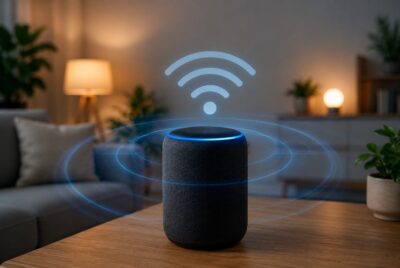
Modern bedrooms often contain far more electronics than they truly need. Smart speakers, wireless chargers, Bluetooth clocks, tablets, televisions, and streaming devices can gradually accumulate over time, especially in rooms that occasionally serve multiple purposes.
When preparing a guest bedroom, consider whether every electronic device is actually necessary. Removing a few items may simplify the room while reducing unnecessary wireless transmissions.
For example, many guest rooms do not require:
- Bluetooth speakers
- Smart home assistants
- Extra tablets
- Wireless gaming devices
- Smart displays
- Secondary Wi-Fi extenders
If these devices are rarely used, storing them elsewhere can instantly make the room feel less cluttered.
Televisions deserve special consideration. Some guests appreciate having a television available, while others prefer a quiet room dedicated to rest. If you decide to keep a television, simply encourage guests to power it off completely when not in use rather than leaving it running in standby mode for extended periods.
Another habit worth considering is unplugging electronics that are only used occasionally. Lamps obviously need electricity, but decorative devices that remain plugged in year-round without serving a purpose may simply add unnecessary clutter.
The overall objective is not to eliminate technology altogether. Instead, think of technology as something that should serve a useful purpose rather than occupying space simply because it has always been there.
Replace Wireless Convenience with Simple Alternatives
One of the easiest ways to create a more relaxing guest bedroom is by replacing a few wireless conveniences with traditional alternatives. Many older household items continue to perform their jobs exceptionally well without requiring Bluetooth connections, mobile apps, or constant internet access.
For example, a simple battery-powered alarm clock provides guests with an easy way to wake up without encouraging overnight phone use. Likewise, printed information about your home’s Wi-Fi password, breakfast options, or local attractions can eliminate the need for guests to constantly check their phones for basic information.
Books are another wonderful addition to a guest room. A small collection of local travel guides, novels, or magazines offers entertainment without requiring a screen. Reading before bed may also help guests unwind after a busy day of travel.
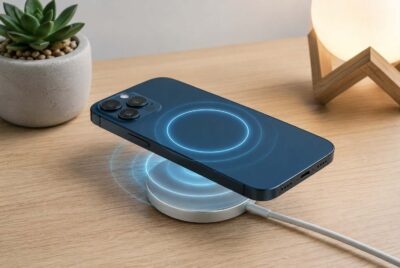
Charging is another area where simple changes can make a difference. Rather than placing a wireless charging pad directly beside the bed, consider providing a standard charging cable that allows guests to charge their devices while keeping them farther away if they choose.
For visitors who prefer listening to calming music, guided meditation, or relaxing sounds before falling asleep, wired headphones remain a practical alternative to Bluetooth models. One product worth considering is the DefenderShield Air Tube Earbuds, which are designed with air tube technology to reduce the amount of metal wiring that extends all the way to the ears.
They won’t be necessary for every guest, but they can be a thoughtful option for those who are already interested in reducing everyday EMF exposure while enjoying audio before bedtime.
Perhaps most importantly, remember that simplicity often creates comfort. Guests generally appreciate rooms that are intuitive and easy to use rather than filled with unfamiliar technology that requires explanations or additional setup.
Keep Charging Stations Away from the Bed
Smartphones have become an essential part of daily life, especially for travelers. Guests often rely on their phones for alarms, weather forecasts, travel itineraries, airline boarding passes, navigation, and communication with family members. Because of this, it’s reasonable to expect that most visitors will want to charge their devices overnight.
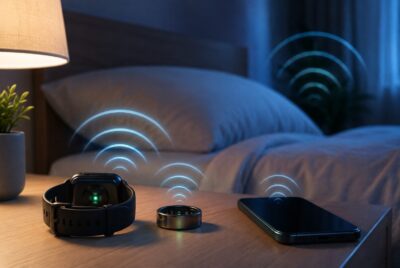
Rather than eliminating charging altogether, consider creating a dedicated charging station that isn’t located directly beside the bed. A small dresser, desk, or shelf across the room can provide a convenient place to recharge phones, tablets, smartwatches, and other portable electronics while keeping sleeping areas less crowded.
This approach offers several practical benefits. First, it reduces the number of cords and charging accessories around the nightstand, helping the room appear cleaner and more organized. Second, some guests appreciate having a designated place for electronics so they can mentally disconnect before going to sleep.
If your guests prefer to keep their phones nearby overnight, that’s perfectly understandable. You might simply mention that enabling Airplane Mode while sleeping is an option some people choose when they don’t need to receive calls or messages during the night. Offering information rather than imposing rules allows visitors to make the decision that best fits their own preferences.
Another thoughtful addition is a small basket or tray near the charging station where guests can place watches, earbuds, keys, wallets, or other everyday items before bed. This not only keeps the room tidy but also helps visitors avoid misplacing important belongings during their stay.
By creating a dedicated space for electronics away from the bed, you’re encouraging a bedroom environment that emphasizes rest and relaxation while still providing all the conveniences today’s travelers expect.
Choose Lighting That Creates a Relaxing Environment
Lighting plays a significant role in how a bedroom feels. Even the most beautifully decorated room can seem cold or uncomfortable if the lighting is too harsh. Since many guests arrive after a day of traveling, work, or family activities, creating a calming atmosphere with thoughtful lighting can help them unwind more easily.
Natural daylight is always a great starting point. If the guest bedroom has windows, consider using curtains or blinds that allow sunlight to enter during the day while still providing privacy. Natural light helps make the room feel open and welcoming, and many guests appreciate waking up to soft morning sunlight.
During the evening, warm-colored lighting is generally more relaxing than bright white bulbs. A bedside lamp with a warm LED bulb can provide plenty of light for reading without making the room feel overly bright. If the room has overhead lighting, consider placing the lamp on before your guests arrive so they’re welcomed by a softer glow rather than a harsh ceiling fixture.
Keep lighting practical as well. Guests should be able to easily reach a bedside lamp without getting out of bed, especially if they need to get up during the night. Hallways leading to the guest room should also be well lit to help visitors move around safely in unfamiliar surroundings.
Simple lighting choices contribute to the overall atmosphere just as much as reducing unnecessary electronics. Together, they create a room that encourages relaxation from the moment your guests walk through the door.
Select Low-Tech Bedroom Accessories
A guest bedroom doesn’t need to be filled with smart devices to feel modern or comfortable. In fact, many visitors appreciate simple, functional accessories that make their stay more enjoyable without adding unnecessary distractions.
Instead of relying on electronic gadgets, consider furnishing the room with items that encourage relaxation and comfort. These small touches often leave a lasting impression because they show that you’ve anticipated your guests’ needs.
Some thoughtful additions include:
- A comfortable reading chair if space allows.
- A small bookshelf with novels or local travel guides.
- A notepad and pen for writing reminders or travel plans.
- An analog clock that’s easy to read.
- Extra blankets folded neatly in a basket.
- A luggage rack or bench for suitcases.
- Fresh tissues and a small wastebasket.
- A reusable water carafe or pitcher.
These items help create a welcoming environment without relying heavily on technology. Guests often appreciate having everything they need readily available, especially if they’re staying for several days.
Decor can also influence how peaceful a room feels. Neutral colors, uncluttered surfaces, framed artwork featuring nature, and a few healthy houseplants (if appropriate for the lighting conditions) can make the room feel calm and inviting.
The goal isn’t to create a minimalist bedroom that feels empty. Rather, it’s about providing useful items while avoiding unnecessary electronic clutter that serves little purpose.
Consider Measuring Your Bedroom
Some homeowners enjoy learning more about their living environment by measuring various types of electromagnetic fields within their homes. While measuring isn’t necessary for creating an inviting guest bedroom, it can help identify obvious sources of EMFs that might otherwise go unnoticed.
For example, measurements may reveal stronger readings near a Wi-Fi router, cordless phone base station, smart electrical meter, or other household electronics. Once those areas are identified, homeowners can decide whether relocating furniture or moving certain devices makes sense.
It’s also important to remember that measurements should be viewed as informational rather than alarming. Every home contains some level of electromagnetic fields because electricity is part of modern life. The purpose of measuring is simply to better understand your home’s environment and make practical decisions where appropriate.
If you’re interested in taking measurements, one well-known option is the Safe and Sound Pro II RF Meter from Safe Living Technologies. This handheld meter is designed to measure radio frequency (RF) signals from common wireless sources such as Wi-Fi, cell phones, and Bluetooth devices.
Before purchasing any meter, spend a little time learning what it measures and how to interpret the readings. Understanding the information will help you make thoughtful decisions rather than reacting to numbers without context.
For many homeowners, simply measuring a room once provides enough information to make a few practical improvements and move on with confidence.
Helpful Products That May Complement an EMF Bedroom
Creating a comfortable guest bedroom doesn’t require buying specialty products. In fact, many of the improvements discussed throughout this article cost little or nothing at all. Rearranging furniture, reducing unnecessary electronics, and organizing charging areas often provide meaningful improvements on their own.
That said, some readers enjoy exploring products specifically designed for people who wish to reduce everyday EMF exposure. If you decide to add any of these items, think of them as optional additions rather than necessities.
One useful accessory for people who regularly use laptops is the DefenderShield Universal Laptop Shield. Many travelers bring laptops with them, and providing a comfortable workspace away from the bed may encourage guests to finish any necessary work before settling in for the evening.
For readers interested in EMF harmonizing products, EMF Harmony offers several home-focused options designed for people who want to incorporate their products into their overall wellness routines.
As always, it’s helpful to research any product thoroughly and determine whether it aligns with your own goals and preferences. Thoughtful room design and healthy habits remain the foundation of creating a comfortable guest bedroom.
Affiliate Advertisement

Focus on Comfort Above Everything Else
While it’s easy to become focused on electronics and wireless devices, it’s important not to lose sight of what guests value most. A comfortable bed, clean room, fresh linens, pleasant temperature, and welcoming atmosphere will always have the greatest impact on someone’s stay.
An EMF bedroom should never feel restrictive or intimidating. Instead, it should simply provide a space where guests can relax without unnecessary distractions. Many of the suggestions throughout this guide naturally improve both comfort and organization, making the room enjoyable regardless of someone’s interest in EMFs.
Comfort also comes from anticipating small needs before they arise. Extra pillows, conveniently placed outlets, a chair for reading, bottled water, and thoughtful décor all contribute to a positive experience. When these comforts are combined with practical steps that reduce electronic clutter, the result is a guest room that feels intentionally designed rather than simply furnished.
Guests may never notice every detail you’ve considered, and that’s perfectly fine. Often, the best-designed rooms are the ones that simply feel peaceful without visitors immediately understanding why. The absence of unnecessary distractions allows them to settle in, sleep well, and enjoy their time in your home.
Small Changes Can Make a Big Difference
After reading about EMFs, it’s easy to assume that creating a healthier bedroom requires replacing numerous household items or spending hundreds of dollars on specialized products. Fortunately, that usually isn’t the case. Many of the most meaningful improvements involve simple adjustments that cost little or nothing at all.
The key is to look around the room with fresh eyes. Ask yourself whether each electronic device truly belongs there or if it simply accumulated over time. Many guest bedrooms gradually become storage spaces for extra televisions, unused speakers, outdated alarm clocks, or miscellaneous chargers that rarely serve a purpose.
Instead of trying to make every improvement at once, focus on one area at a time.
Some simple ideas include:
- Move unnecessary electronics to another room.
- Keep Wi-Fi equipment outside the guest bedroom whenever practical.
- Organize charging cables to reduce clutter.
- Encourage overnight charging away from the bed.
- Use warm bedside lighting instead of harsh overhead fixtures.
- Provide books, magazines, or travel guides as screen-free entertainment.
- Keep the room tidy with minimal decorative clutter.
- Open the curtains during the day to let in natural sunlight.
- Offer extra blankets so guests can adjust their own comfort level.
- Regularly dust behind electronics and furniture to maintain a clean environment.
None of these suggestions require major renovations, yet together they can noticeably change how a room feels. Even visitors who have never heard the term “EMF-conscious” are likely to appreciate a bedroom that feels organized, peaceful, and thoughtfully prepared.
Remember that progress doesn’t have to happen overnight. Every small improvement contributes to creating a guest space that emphasizes relaxation rather than unnecessary technology.
Common Mistakes to Avoid
As people begin learning about EMFs, it’s understandable that they sometimes feel overwhelmed by the amount of information available online. While there are many helpful resources, there is also a great deal of conflicting advice. Keeping your approach balanced can help you avoid unnecessary stress while still making practical improvements.
One common mistake is trying to eliminate every possible source of EMFs. In reality, electricity powers much of modern life, and completely avoiding electromagnetic fields is neither practical nor necessary for most households. Instead, focus on reducing unnecessary exposure where it makes sense.
Another mistake is filling the room with products while overlooking the basics. Comfortable bedding, a supportive mattress, proper ventilation, and a clean environment will usually have a greater impact on your guests’ experience than purchasing numerous accessories.
It’s also important not to create unnecessary worry for visitors. If your guests have never expressed interest in EMFs, there’s no need to give them a lengthy explanation about every decision you’ve made. Simply provide a welcoming room that feels comfortable and functional. Those who are interested may notice and appreciate the thoughtful design, while everyone else can simply enjoy a restful night’s sleep.
Finally, avoid sacrificing convenience entirely. Guests still need accessible outlets, reliable lighting, and practical places to charge their devices if they choose. An inviting guest room balances modern convenience with intentional simplicity.
Frequently Asked Questions
Before wrapping up, let’s answer a few common questions homeowners often have when creating an EMF-conscious guest bedroom.
Should I remove every electronic device from the guest room?
Not at all. The goal is to reduce unnecessary electronics rather than eliminate useful ones. A bedside lamp, alarm clock, or phone charger can still have a place in the room if they serve your guests’ needs.
Is Wi-Fi safe to have in the house?
Every homeowner must make personal decisions about their comfort level. Many people simply choose to keep Wi-Fi routers outside bedrooms or place them in more central locations when practical. If relocating your router is easy to do without affecting your home’s connectivity, it may be worth considering.
Do I need an EMF meter before making improvements?
No. Many practical changes—such as reducing clutter, moving charging stations, or relocating unnecessary electronics—can be made without measuring anything. A meter can provide additional information, but it isn’t required for creating a more thoughtful guest bedroom.
What matters most when preparing a guest room?
Comfort should always come first. Clean bedding, a supportive mattress, good lighting, pleasant room temperature, and a welcoming atmosphere are the foundation of any enjoyable guest experience. Reducing unnecessary electronic clutter simply complements those basics.
Can I create a healthier guest room on a budget?
Absolutely. In fact, many of the suggestions throughout this guide cost little or nothing. Rearranging furniture, removing unused electronics, organizing cables, and making better use of natural light are all inexpensive improvements that can have a noticeable impact.
Final Thoughts
Creating an inviting guest room doesn’t require expensive renovations or a complete redesign. Often, the smallest improvements have the greatest impact. By reducing unnecessary electronics, organizing charging areas, simplifying the room’s layout, and emphasizing comfort, you can create a space that helps visitors feel welcomed from the moment they arrive.
An EMF bedroom is ultimately about thoughtful choices rather than perfection. Every home is different, and every family has its own priorities. Rather than trying to eliminate every source of electromagnetic fields, focus on practical improvements that fit your home, your budget, and your guests’ needs. A clean, organized, relaxing environment benefits nearly everyone, regardless of their familiarity with EMFs.
As you continue making small improvements over time, you’ll likely discover that many of these ideas not only enhance your guest bedroom but also inspire changes throughout the rest of your home. Creating a healthier living environment is often a gradual process, and each thoughtful adjustment contributes to a more comfortable place for both your family and your visitors.
Whether you begin by moving a charging station, simplifying the décor, improving the lighting, or relocating a few unnecessary electronics, every step helps create a guest bedroom that feels calm, welcoming, and intentionally designed. Your guests may not notice every detail, but they’ll almost certainly notice how comfortable and restful the room feels – and that’s one of the best compliments any host can receive.
Before You Go…
Get Weekly EMF Protection Tips
Enjoy this article? Join the EMFLuLu newsletter for simple weekly tips to reduce everyday EMF exposure from phones, WiFi routers, laptops, and smart home devices.
Try Our Free EMF Calculators
Curious how much EMF exposure you may experience each day?
These simple tools can help you estimate your exposure and identify possible problem areas in your home.
Try these free calculators:
Like this article? Pin it on Pinterest!


More to Explore