In recent years, more people have started paying closer attention to how electromagnetic fields (EMF) from everyday devices may be affecting their health and well-being. While research is still evolving, many individuals report experiencing symptoms such as headaches, sleep disturbances, fatigue, and a general sense of restlessness. One pattern that comes up repeatedly is that these symptoms seem to intensify after sunset. This leads many to ask an important and very specific question: why do EMF symptoms feel worse at night?
If you’ve ever felt fine during the day but found yourself tossing and turning at night, or noticed increased sensitivity when trying to fall asleep, you’re not alone. The nighttime environment is different in several ways – physically, mentally, and biologically. These differences can make certain sensations more noticeable or potentially more disruptive.
In this article, we’ll take a detailed look at what EMF symptoms are, why they may seem more intense at night, whether exposure actually increases after dark, and what practical steps you can take to reduce potential impact. The goal is not to create fear, but to give you a clear, balanced understanding so you can make informed decisions about your sleep environment.
What Are Common EMF Symptoms?
Before exploring why symptoms may feel worse at night, it’s helpful to understand what people are actually experiencing. EMF-related symptoms are often described differently from person to person. Some individuals notice only mild discomfort, while others report more persistent issues.
The following are commonly reported symptoms associated with EMF exposure. These are not universally accepted as medically caused by EMF, but they are frequently discussed by those who consider themselves sensitive to electromagnetic environments.
Many people report difficulty falling asleep or staying asleep through the night. Others describe a dull or persistent headache that seems to appear without a clear trigger. Fatigue is also common, especially when sleep quality is poor. Some individuals experience brain fog, where concentration and mental clarity feel reduced. There are also reports of tingling sensations in the skin, warmth in certain areas of the body, and increased anxiety or restlessness during quiet moments.
What stands out is not just the symptoms themselves, but the timing. These sensations often become more noticeable in the evening or when lying down to sleep, which naturally leads into the next question.
Why Nighttime Can Amplify EMF Symptoms
When people ask why symptoms seem stronger at night, they are usually noticing a pattern that feels consistent and difficult to ignore. There isn’t a single explanation, but rather a combination of factors that can make nighttime feel different from the rest of the day.
Reduced Environmental Distractions
During the day, your brain is constantly processing information. You are moving, working, interacting, and responding to your environment. This level of activity can make it easier to overlook subtle physical sensations. At night, everything slows down. The house becomes quiet, lights are dimmed, and your focus shifts inward.
In this quieter state, even small sensations can feel more pronounced. A mild headache that went unnoticed during a busy afternoon might feel much more intense when you are lying in bed with no distractions. This doesn’t necessarily mean exposure has increased – it may simply be more noticeable.
Increased Exposure in the Bedroom
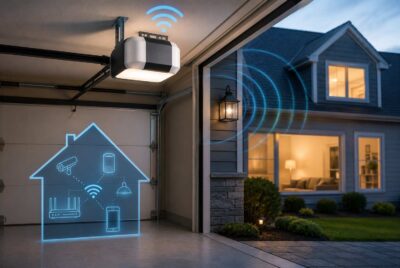
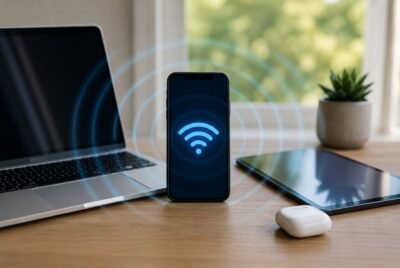
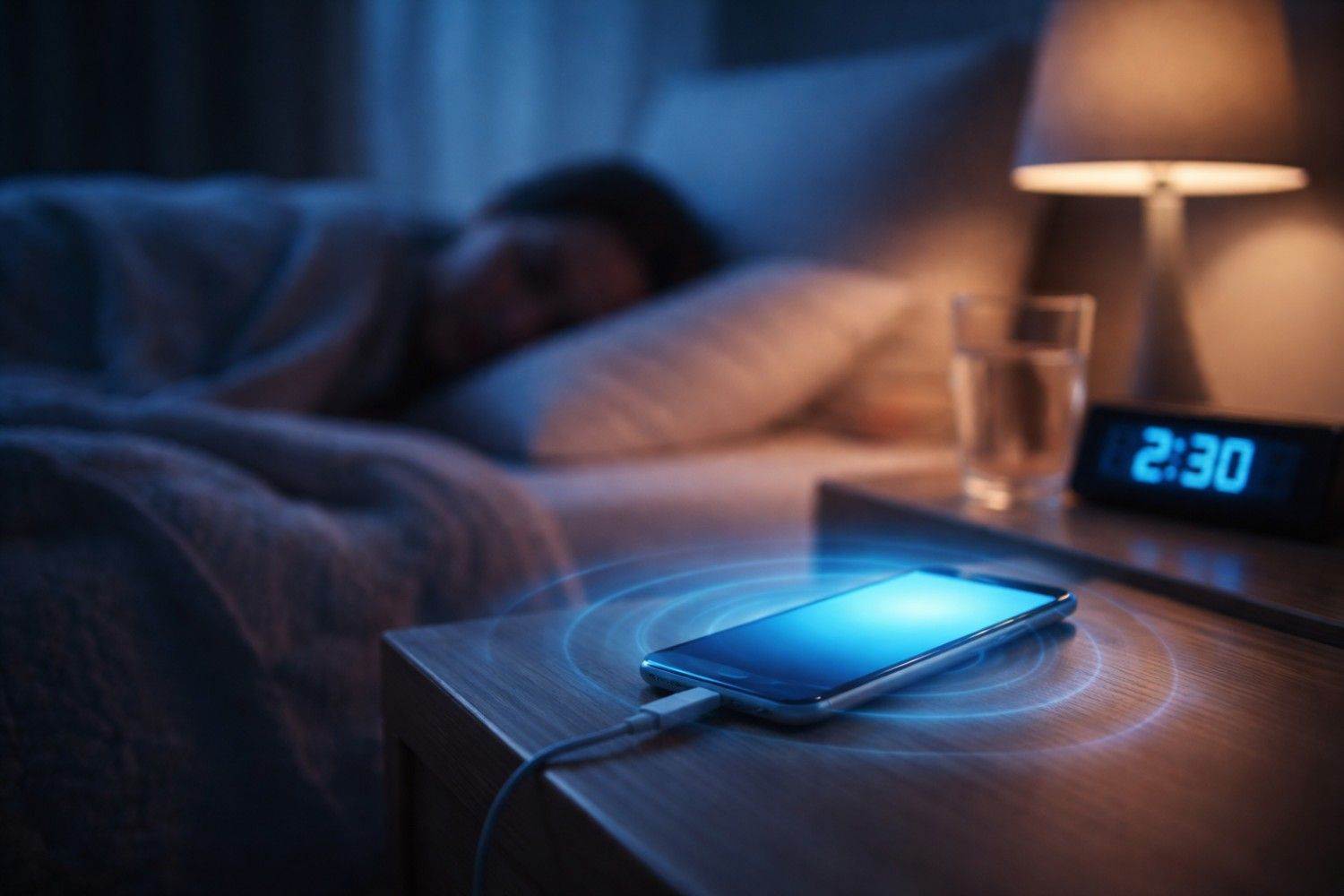
Bedrooms are often filled with devices that emit EMF, sometimes without us realizing it. Phones are frequently placed on nightstands or even under pillows. Chargers remain plugged in. WiFi routers may be located in nearby rooms. Smart devices such as thermostats, speakers, and baby monitors continue to transmit signals throughout the night.
Because sleep involves long, uninterrupted periods in one location, your body may be exposed to these sources for several hours at a time. This extended duration can make a difference in how you perceive your environment.
For those looking to reduce direct exposure from phones, products like the DefenderShield EMF Protection Phone Case can be an option to explore.
The Body’s Natural Sleep Cycle
Your body follows a natural rhythm that shifts as the day comes to an end. Hormones such as melatonin begin to rise, signaling that it is time to rest. Your nervous system transitions into a more relaxed state, preparing for recovery and repair.
Some people believe that this transition may make the body more sensitive to external influences. While scientific consensus is still developing, it is reasonable to consider that any disruption to a calm, sleep-ready state – whether from light, noise, or other environmental factors – could affect how you feel.
Close Proximity to Devices
Distance plays a major role in EMF exposure. During the day, your phone might be in your pocket, on a desk, or across the room. At night, it is often within inches of your head. The same applies to other devices that may be located near your bed.
Even if the overall exposure level is not dramatically higher, the combination of close proximity and long duration can make nighttime feel different.
Psychological Awareness
There is also a mental component to consider. Nighttime is when many people reflect, worry, or become more aware of bodily sensations. If you are already concerned about EMF, that awareness can amplify what you feel.
This does not mean the experience isn’t real. It simply highlights that both physical and psychological factors can interact, especially in a quiet, low-stimulation environment.
Does EMF Actually Increase at Night?
A common assumption is that EMF levels rise after dark. In most cases, this is not necessarily true. Many devices operate continuously, regardless of the time of day. However, how and where you are exposed can change significantly.
At night, devices are often charging, which can create localized electromagnetic fields. WiFi routers remain active, and some may even handle background updates or data transfers during off-peak hours. Smart home devices continue to communicate, even when not in active use.
The key difference is not always the intensity of EMF, but the context. You are stationary, closer to devices, and exposed for longer periods without interruption. This combination can make the environment feel more intense, even if the measurable levels are similar to daytime exposure.
Bedroom EMF Sources You Might Overlook
Many people are surprised to learn how many everyday items in the bedroom can contribute to EMF exposure. These sources are often overlooked because they are part of normal routines and do not seem unusual.
Phones are one of the most common contributors, especially when placed close to the head. WiFi routers, even if located in another room, can still be within range. Wearable devices such as smartwatches may continue to transmit signals overnight. Electric blankets and heating pads can also produce electromagnetic fields when in use. Extension cords and power strips near the bed may create low-level exposure simply by carrying electrical current.
For those who want to better understand their environment, a measurement tool like the Safe and Sound Pro II RF Meter or TriField EMF Meter can provide insight into nearby sources.
Understanding where exposure is coming from is often the first step toward making meaningful adjustments.
Affiliate Advertisement

Practical Ways to Reduce Nighttime EMF Exposure
If you are concerned about how your environment may be affecting your sleep, there are several simple steps you can take. These adjustments do not require major changes, but they can help create a calmer and more controlled space.
One of the easiest changes is to move your phone farther away from your bed. Even a few feet of distance can make a difference. Turning on airplane mode at night can also reduce active signal transmission while still allowing you to use your phone as an alarm.
Another effective step is to turn off your WiFi router overnight. Many routers have timers or can be manually powered down before bed. This reduces background signals while you sleep.
Avoid keeping devices directly on your body, such as in pockets or under pillows. Instead, place them on a dresser or across the room. Consider using a wired alarm clock so your phone does not need to be within reach.
Reducing the number of smart devices in the bedroom can also help create a more restful environment. The goal is not to eliminate technology entirely, but to be intentional about what remains close to you during sleep.
When to Be Concerned About Symptoms
It’s important to approach this topic with balance. While it can be helpful to make adjustments, it is equally important not to assume that every symptom is caused by EMF exposure.
If you are experiencing ongoing sleep issues, frequent headaches, or persistent fatigue, it may be worth looking at other factors as well. Stress, diet, lighting, noise levels, and overall sleep habits can all play a role in how you feel at night.
Making gradual changes and observing how your body responds can provide valuable insight. If symptoms continue or worsen, consulting a healthcare professional is always a good step.
Conclusion
So, why do EMF symptoms feel worse at night? The answer is not tied to a single cause, but rather a combination of factors. Reduced distractions, closer proximity to devices, longer exposure periods, and increased awareness all contribute to how symptoms are perceived after dark.
The good news is that small, practical adjustments can make a meaningful difference. By creating a sleep environment that minimizes unnecessary exposure and supports relaxation, you can take control of your nighttime experience.
Whether your symptoms are directly related to EMF or influenced by other aspects of your environment, the goal remains the same: better sleep, improved comfort, and a greater sense of control over your surroundings.
Before You Go…
Get Weekly EMF Protection Tips
Enjoy this article? Join the EMFLuLu newsletter for simple weekly tips to reduce everyday EMF exposure from phones, WiFi routers, laptops, and smart home devices.
Try Our Free EMF Calculators
Curious how much EMF exposure you may experience each day?
These simple tools can help you estimate your exposure and identify possible problem areas in your home.
Try these free calculators:
Like this article? Pin it on Pinterest!

More to Explore