
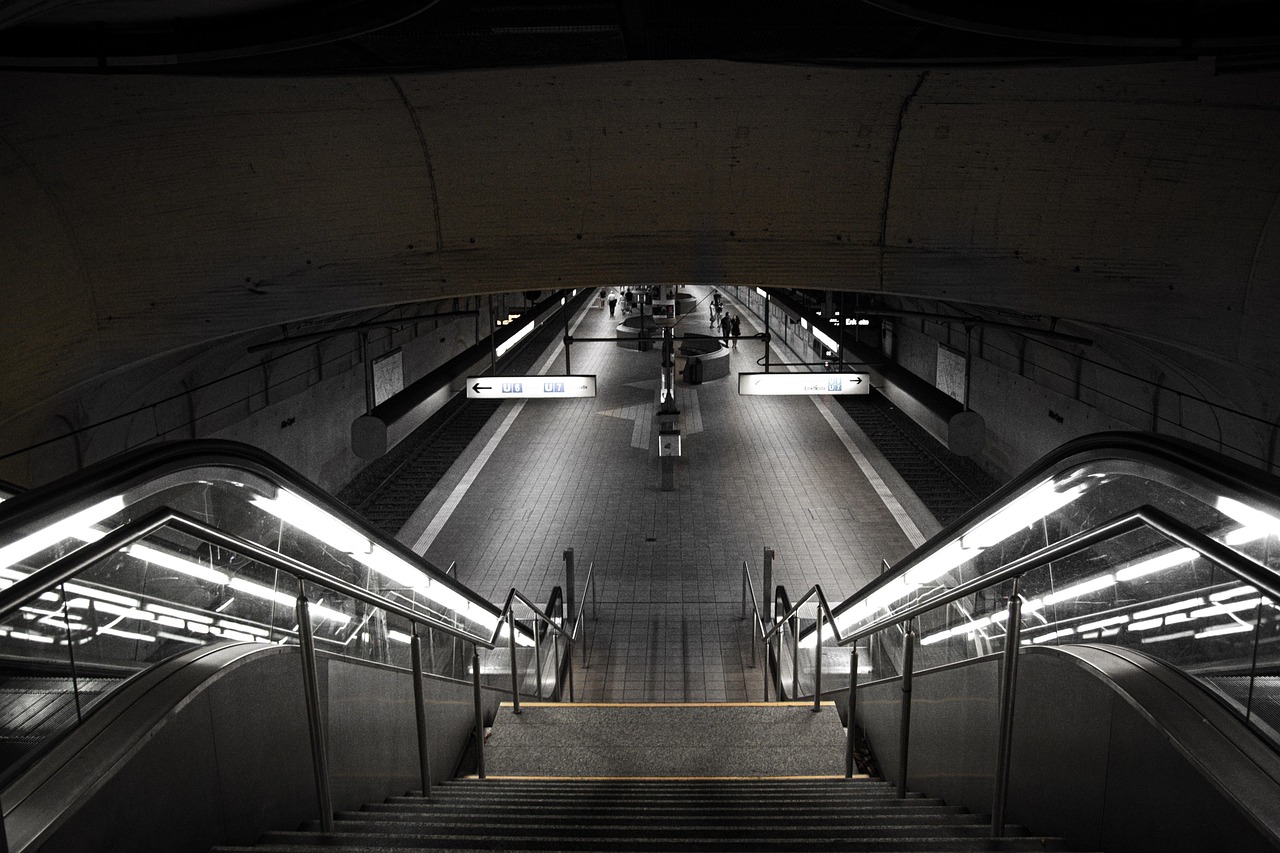
If you ride the subway, bus, or train every day, you probably focus more on the time, traffic, or getting a seat than on invisible risks. But have you ever wondered about electromagnetic fields (EMFs) during your commute? Public transportation systems are filled with electrical wiring, wireless networks, and devices that generate measurable EMF exposure. That’s why EMF protection tips for daily commuters public transport are gaining more attention.
Commuters spend hours each week surrounded by power sources like train motors, WiFi routers, and even the cell phones of fellow passengers. While the health effects of EMFs are still being studied, many people prefer to limit exposure where possible – especially in confined, high-frequency environments like public transit. This article will explore what causes EMF exposure on buses, subways, and trains, how it compares to everyday environments, and most importantly, practical EMF protection tips for daily commuters public transport that you can start applying today.
What Causes EMF Exposure in Public Transportation?
Electromagnetic fields are generated whenever electrical current flows. Public transit systems run on large amounts of electricity, which means they naturally create EMFs. Some of the most common sources include:
- Power systems: Overhead electric lines or third rails that supply energy to trains and subways.
- Motors and transformers: Found underneath or at the ends of train cars, these components generate magnetic fields when in use.
- Wireless routers and signal equipment: Many buses and trains now offer WiFi, which adds another layer of radiofrequency EMFs.
- Passenger devices: Dozens of smartphones, tablets, and laptops all transmitting signals simultaneously in a small space.
Although levels vary, researchers often find EMF readings inside subway cars higher than those at home or in outdoor spaces. For daily commuters, this means repeated, long-term exposure.
What the Research Says About Transit EMFs
Scientists have studied EMF radiation in different commuting environments. Some findings include:
- Subways and trains: Often higher EMF levels because of electric motors and power rails. Certain areas – like near doors or at the ends of cars – can record the strongest readings.
- Buses: Diesel buses generally show lower EMF levels, but modern electric buses can produce higher magnetic fields from batteries and engines.
- Duration matters: A 30-minute commute each way adds up to 5 hours of EMF exposure per week. Longer rides, or multiple transfers, mean even more time in these fields.
It’s important to note that measured levels are usually below regulatory limits, but concerns remain about cumulative exposure. That’s why knowing EMF protection tips for daily commuters public transport can give peace of mind.
Potential Health Concerns: What’s Known and What’s Uncertain
International bodies like the World Health Organization (WHO) and ICNIRP set guidelines for EMF exposure. For most commuters, levels fall within safety ranges. However, some studies suggest possible associations between high long-term EMF exposure and headaches, fatigue, poor sleep quality, and even higher risks of certain conditions.
The science is ongoing. While risks aren’t conclusive, commuters who are cautious prefer to reduce unnecessary exposure. This is where protective strategies can make a real difference without requiring drastic lifestyle changes.
Factors That Influence EMF Exposure During Commuting
Before we jump into potential solutions, it helps to understand what influences EMF intensity during your commute:
- Proximity to sources – The closer you are to the motors, transformers, or routers, the higher the exposure.
- Type of transit – Electric trains and subways typically produce stronger EMFs than older diesel buses.
- Time of day – A packed subway car means more mobile devices in use, creating a higher EMF environment.
- Duration of commute – Longer rides equal more exposure time.
By recognizing these factors, you can start making small adjustments that significantly reduce overall exposure.
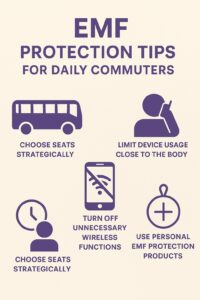
EMF Protection Tips for Daily Commuters Public Transport
Here are practical, actionable steps commuters can take. Each tip includes how to apply it during real daily travel.
- Choose Seats Strategically
Before jumping into product use, one of the simplest EMF protection tips for daily commuters public transport is changing where you sit.
- On trains or subways, avoid seats directly above the wheels or near the ends of the cars (where electrical equipment is often stored).
- If possible, sit in the middle sections of cars where EMF readings tend to be lower.
- On buses, sit away from the engine or battery compartments.
This small change can cut your exposure significantly without requiring special tools.
- Limit Device Usage Close to the Body
Another key EMF protection tip for daily commuters public transport is managing your own phone and laptop use.
- Avoid holding your phone directly to your head for long calls. Use speaker mode or a wired headsets such as DefenderShield’s instead.
- If you stream music, keep your phone in a bag rather than a pocket pressed against your body.
- For laptops or tablets, try to place them on a table or lap shield instead of directly on your body. The DefenderShield Laptop EMF Radiation Protection Shield is designed to block heat and EMF radiation from traveling upward into the body when working on your commute.
- Turn Off Unnecessary Wireless Functions
Most devices constantly send and receive signals – even when not in use. During your commute:
- Turn off Bluetooth and WiFi if you don’t need them.
- Put your phone in airplane mode if you’re just listening to downloaded music or podcasts.
- Download content ahead of time instead of streaming.
This reduces both your exposure and battery drain.
Affiliate Advertisement

- Use Personal EMF Protection Products
For commuters who want extra layers of defense, wearable protection is a practical choice.
- Neutralizers and harmonizers: Small devices that attach to phones, headphones, or wear as pendants to reduce EMF stress on the body.
- Shielded cases: Phone or tablet cases lined with EMF-blocking material.
- Wearables: Bracelets, pendants, or clips designed to harmonize EMF exposure.
EMF-Harmony offers EMF Harmonizer options such as EMF Harmonizer Audio for Earbuds & Headphones. These are designed for people constantly on the move, making them a natural fit for commuters.
- Shorten Exposure Where Possible
Finally, small lifestyle choices make a difference:
- If you have two route options — one shorter or with less transit time – choose the quicker commute.
- Reduce idle time in the station near strong electrical equipment.
- Walk part of your journey if practical; it reduces both EMF exposure and boosts health.
Affiliate Advertisement

Practical Example
Imagine a daily subway rider with a 40-minute commute. They sit in the middle of the train instead of above the wheels, use a DefenderShield laptop shield when working, and keep their phone in airplane mode until arrival. Over a week, that person spends hours in transit but significantly lowers their EMF load compared to someone sitting by motors with Bluetooth streaming nonstop.
By stacking these simple changes, commuters can greatly reduce exposure without needing dramatic life shifts.
Conclusion
Daily commuting is a fact of modern life, but it doesn’t mean you have to ignore invisible risks. With the right EMF protection tips for daily commuters public transport, you can cut your exposure, reduce potential stress on your body, and feel more at ease during your daily ride. From choosing seats carefully to limiting wireless use and using trusted products like EMF-Harmony wearables or DefenderShield shields, small steps add up.
Before You Go…
Get Weekly EMF Protection Tips
Enjoy this article? Join the EMFLuLu newsletter for simple weekly tips to reduce everyday EMF exposure from phones, WiFi routers, laptops, and smart home devices.
Try Our Free EMF Calculators
Curious how much EMF exposure you may experience each day?
These simple tools can help you estimate your exposure and identify possible problem areas in your home.
Try these free calculators:
Like this article? Pin it on Pinterest!

More to Explore


