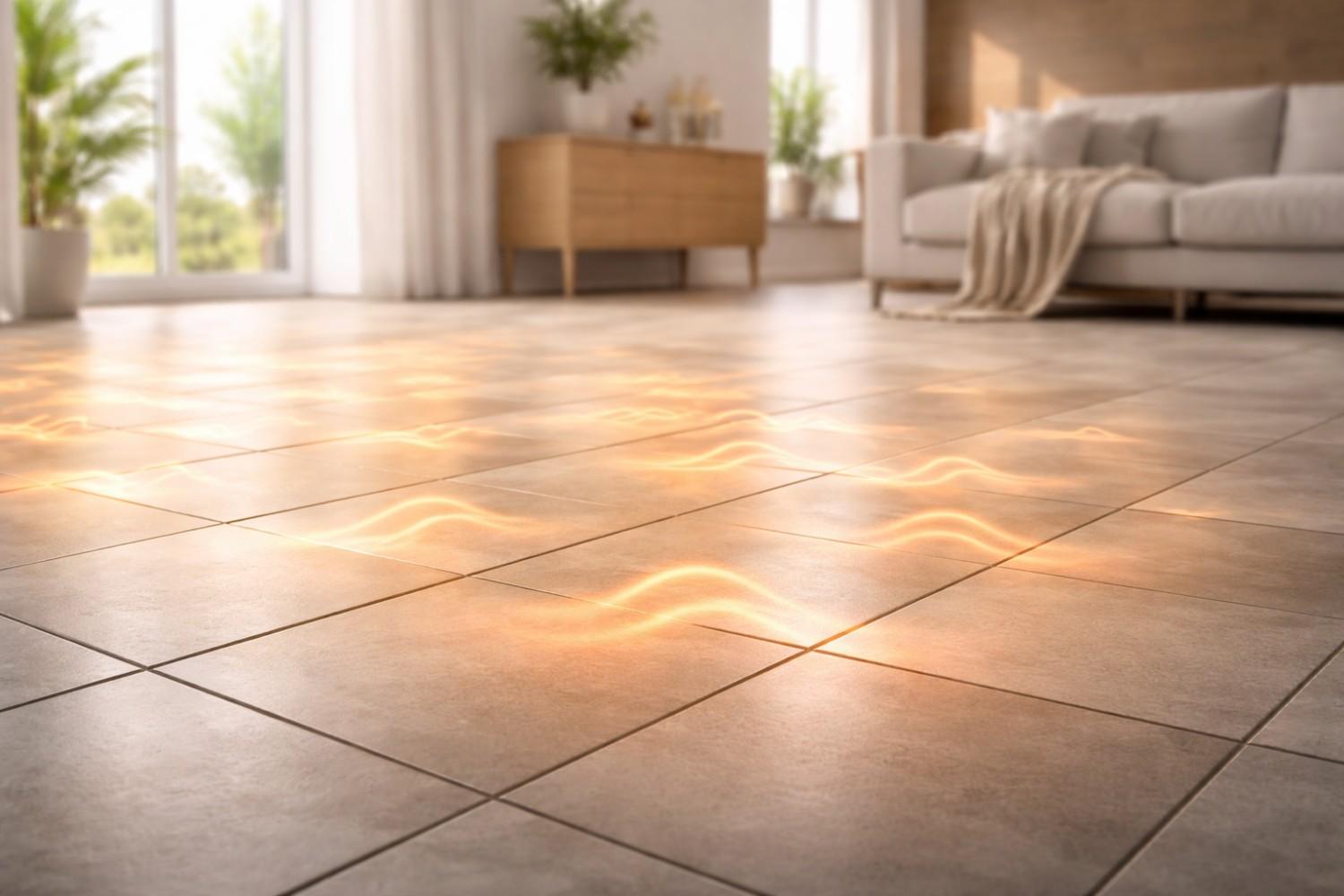
Radiant floor heating has become an increasingly popular feature in modern homes. Many homeowners appreciate the comfort of stepping onto warm tile in a bathroom or enjoying evenly distributed heat throughout a living space during winter. Radiant floor systems are often praised for their efficiency, quiet operation, and ability to eliminate the cold spots that traditional forced-air systems can create. Yet as awareness of electromagnetic fields grows, some homeowners are beginning to ask a new question: do heated floors produce EMF radiation, and if so, should it be a concern for everyday living?
Electromagnetic fields, commonly referred to as EMF, are produced whenever electricity flows through wiring or electrical devices. Because radiant floor heating systems often rely on electrical components, it is reasonable for homeowners to wonder whether these systems generate EMF and whether long periods of exposure might pose risks. Understanding how radiant floor heating works, how EMF is generated, and how exposure can be minimized can help homeowners make informed decisions about installing or using these systems.
This article explores how radiant floor heating systems function, whether they generate electromagnetic fields, how strong those fields may be, and what steps homeowners can take if they wish to reduce exposure in their living environments.
How Radiant Floor Heating Systems Work
Before evaluating potential EMF exposure, it is helpful to understand the basic mechanics behind radiant floor heating. Unlike traditional heating systems that warm air and distribute it through vents or radiators, radiant floor heating warms the floor itself. Heat rises naturally from the floor surface, gently warming the room above it.
There are two primary types of radiant floor heating systems installed in homes today.
Electric Radiant Floor Heating
Electric radiant floor systems rely on heating cables or mats installed beneath flooring materials such as tile, laminate, or engineered wood. These cables heat up when electrical current flows through them. The warmth produced radiates upward through the floor surface and into the room.
Electric systems are especially common in smaller spaces such as bathrooms or kitchens because they are relatively simple to install. A thin heating mat can be placed beneath tile during a renovation, and the system is controlled through a thermostat mounted on the wall.
Because electricity flows through the heating cables, these systems can generate electromagnetic fields. The strength of those fields depends on factors such as wire configuration, insulation, and how much current flows through the system.
Hydronic Radiant Floor Heating
Hydronic systems operate in a completely different way. Instead of electrical cables producing heat, hydronic systems circulate warm water through flexible plastic tubing embedded beneath the floor. The water is heated by a boiler or water heater, and the circulating liquid transfers warmth to the floor surface.
Since hydronic systems rely primarily on water circulation rather than electrical resistance heating, they typically generate extremely low electromagnetic fields. The only small electrical components involved are pumps or control systems used to circulate the water.
Understanding the distinction between electric and hydronic radiant floors is important because EMF exposure levels differ greatly between the two systems.
Do Heated Floors Produce EMF Radiation?
One of the most common questions homeowners ask when researching radiant heating is do heated floors produce EMF radiation. The answer depends largely on the type of system installed.
Any electrical system that carries current creates a magnetic field around its wiring. Electric radiant floor heating cables behave similarly to other electrical wires in a home. When electricity flows through the heating cable, a magnetic field forms around the conductor. This field is typically measured in milligauss (mG).
However, modern electric radiant heating systems are often designed with special cable configurations intended to minimize EMF generation. Some manufacturers use twisted pair wiring or closely spaced conductors that allow the magnetic fields to partially cancel each other out. When properly installed, this design can significantly reduce EMF levels at the floor surface.
Measurements taken from many electric radiant floor systems often show magnetic field levels in the range of approximately 0.2 to 2 milligauss directly above the floor. These levels decrease rapidly as distance from the heating cables increases.
To place this in context, many everyday household devices produce similar or higher EMF levels. Hair dryers, vacuum cleaners, and electric blankets can generate significantly stronger fields when operating.
Electric Radiant Floors Versus Hydronic Systems
When evaluating EMF exposure from heated flooring, it is helpful to compare electric systems with hydronic systems.
Electric radiant floors rely directly on electrical current flowing through heating cables. As a result, they generate low levels of magnetic fields while operating. The intensity of these fields depends on several variables including cable spacing, installation depth, and system power usage.
Hydronic radiant floors function differently. Because warm water flows through plastic tubing, these systems generate almost no electromagnetic fields along the floor itself. Any electrical activity occurs at the pump or control system that circulates the water. Those components are usually located away from living spaces, often in a utility room or basement.
For homeowners concerned about EMF exposure, hydronic systems are generally considered the lowest-EMF radiant heating option. That said, electric radiant floors designed with modern low-EMF technology typically produce exposure levels far below many common household appliances.
How EMF Levels Change With Distance
One important principle in EMF science is that electromagnetic field strength drops dramatically with distance. Even small increases in separation from a source can greatly reduce exposure.
Radiant floor heating cables are installed beneath flooring materials such as tile, stone, laminate, or engineered wood. These materials create physical separation between the heating elements and the occupants of the room. The thickness of the flooring can further reduce the strength of magnetic fields reaching the surface.
In practical terms, most people are not in direct contact with the heating cables themselves. Instead, they are standing or walking on top of finished flooring. By the time EMF reaches the surface, it is often significantly weaker.
Exposure time also plays an important role. Many radiant heating systems operate intermittently throughout the day based on thermostat settings. Floors warm up when needed and shut off once the desired temperature is reached. This means the system is not always running continuously.
When evaluating potential EMF exposure, it is helpful to consider both field strength and duration of exposure. For many homes, both factors are relatively low.
Research and Scientific Understanding of EMF Exposure
Scientific research on electromagnetic fields has been ongoing for decades. Most studies have focused on sources such as power lines, electrical wiring, and wireless communication devices.
Radiant floor heating systems themselves have not been the subject of extensive independent research, largely because the EMF levels produced by these systems tend to be relatively low. However, the same basic principles of electromagnetic field exposure apply.
Many health organizations note that everyday electrical devices produce small electromagnetic fields as a normal byproduct of electricity. Current scientific consensus generally suggests that typical household exposures fall well below levels known to produce immediate biological harm.
Some individuals report sensitivity to electromagnetic fields and may experience symptoms such as headaches, fatigue, or sleep disturbance around certain electrical devices. While the mechanisms behind these experiences are still being studied, people who feel sensitive to EMF often choose to reduce unnecessary sources in their environment.
Affiliate Advertisement

Steps Homeowners Can Take to Reduce EMF Exposure
For homeowners who want to minimize EMF exposure while still enjoying the comfort of radiant floor heating, there are several practical steps that can be considered. These strategies focus on system design, measurement, and general home practices that may help reduce electromagnetic field exposure.
First, choosing a heating system designed with low-EMF technology can make a difference. Some radiant heating cables use special wire configurations that reduce magnetic field strength. If a home renovation or new construction project includes radiant heating installation, asking contractors about low-EMF cable options may be worthwhile.
Another approach involves measuring EMF levels in the home to better understand the environment. Measurement devices allow homeowners to detect magnetic fields from appliances, wiring, and heating systems. One widely used option for this purpose is the Safe and Sound Pro II RF Meter available here.
This meter can measure multiple types of electromagnetic radiation, including radiofrequency signals and magnetic fields. Using such a device can provide a clearer picture of which household items contribute most to EMF exposure.
Homeowners may also choose to reduce EMF from other sources in their environment. Wireless routers, Bluetooth devices, and mobile phones often produce stronger electromagnetic fields than radiant floor heating systems. Managing these sources can sometimes have a larger impact on overall exposure levels.
Some individuals also use shielding accessories for personal devices. For example, DefenderShield EMF Blocking Hip Bag can reduce radiofrequency radiation exposure from smartphones when carried close to the body.
These types of products do not eliminate EMF in the environment but may reduce direct exposure from certain electronic devices.
Considerations for Bedrooms and Long-Term Exposure
Many homeowners considering radiant floor heating wonder about installing the system in bedrooms where people spend many hours sleeping. Because sleep environments are typically places where individuals remain stationary for extended periods, EMF-conscious homeowners sometimes evaluate bedroom systems carefully.
Hydronic radiant floor heating may be preferred in bedrooms because the system produces minimal electromagnetic fields. Electric systems installed beneath thick flooring materials may also produce relatively low exposure at the surface.
Some people choose to limit the use of heated flooring in sleeping areas or schedule the heating system to operate during specific hours when needed rather than continuously overnight.
Affiliate Advertisement

Should You Be Concerned About Heated Floor EMF?
For most homeowners, radiant floor heating systems produce relatively low levels of electromagnetic fields compared with many common household devices. Electric systems do generate EMF because electrical current flows through heating cables, but modern cable designs often minimize these fields through careful engineering.
Hydronic radiant floor systems generate extremely low EMF levels because the primary heating mechanism involves circulating warm water rather than electrical resistance cables.
Homeowners who are particularly concerned about electromagnetic exposure may choose hydronic systems, low-EMF electric cables, or simple monitoring tools to better understand their environment. In many cases, awareness and thoughtful design choices can significantly reduce exposure without sacrificing comfort.
Conclusion
Radiant floor heating offers one of the most comfortable and energy-efficient ways to warm a home. Still, it is natural for homeowners to ask do heated floors produce EMF radiation when evaluating this type of system. Electric radiant floors can generate low levels of electromagnetic fields due to the electrical current flowing through their heating cables, while hydronic systems produce almost none.
In most homes, the EMF levels produced by radiant floor heating are relatively small and decrease quickly with distance from the cables. For those who remain concerned, selecting low-EMF heating designs, monitoring electromagnetic levels, and reducing other household EMF sources can help create a balanced approach to indoor comfort and environmental awareness.
Understanding how these systems work allows homeowners to enjoy the benefits of radiant warmth while making informed decisions about their living space.
Before You Go…
Get Weekly EMF Protection Tips
Enjoy this article? Join the EMFLuLu newsletter for simple weekly tips to reduce everyday EMF exposure from phones, WiFi routers, laptops, and smart home devices.
Try Our Free EMF Calculators
Curious how much EMF exposure you may experience each day?
These simple tools can help you estimate your exposure and identify possible problem areas in your home.
Try these free calculators:
Like this article? Pin it on Pinterest!


More to Explore