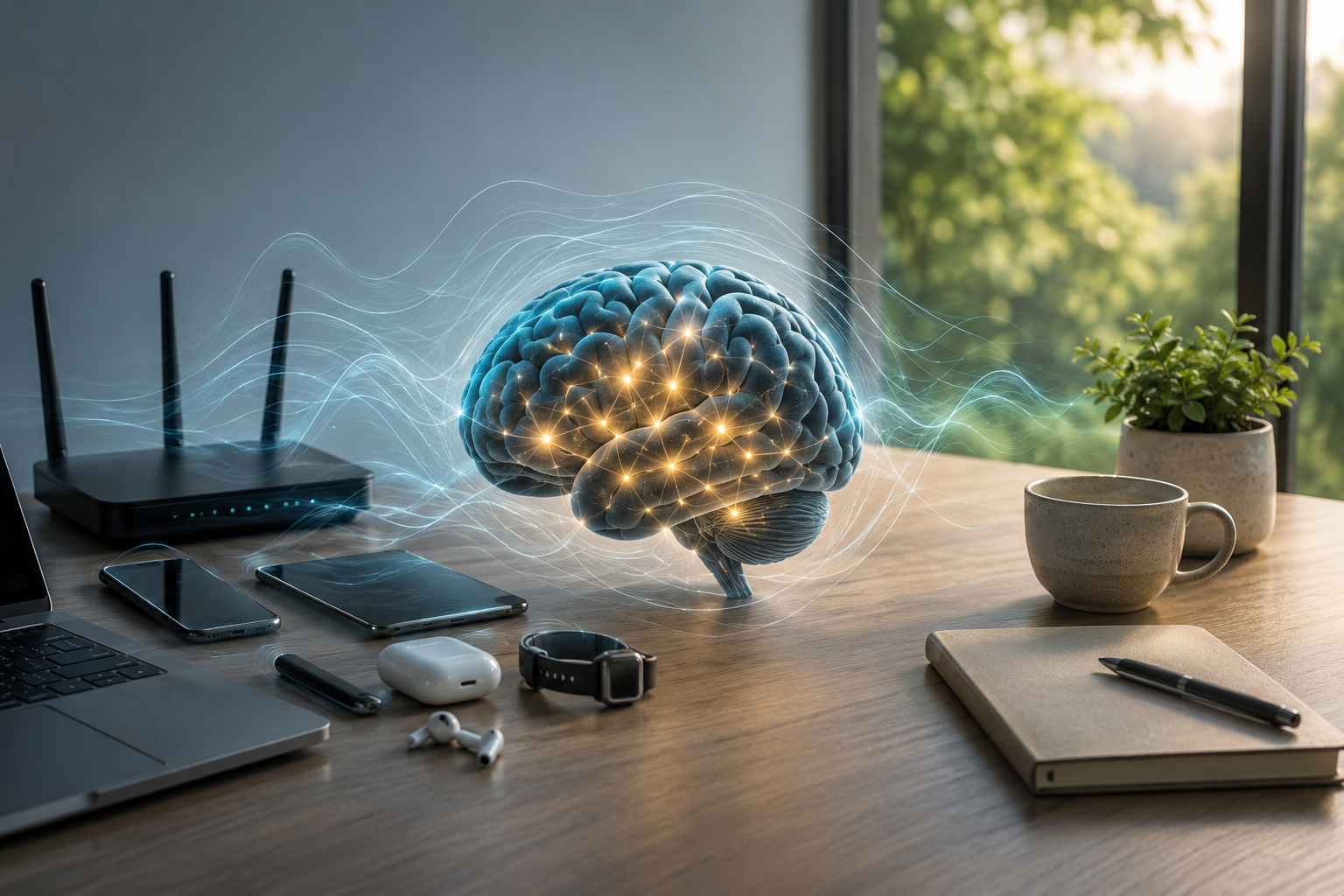
Many people today spend nearly every hour surrounded by technology. Smartphones sit in our pockets, WiFi routers run continuously, Bluetooth devices connect automatically, and laptops stay open for most of the workday. While modern technology brings convenience, some individuals report feeling mentally exhausted after long periods around electronics. Complaints such as forgetfulness, reduced concentration, headaches, and fatigue are becoming increasingly common. As a result, more people are searching for information about EMF brain fog symptoms and whether electromagnetic field exposure could be affecting mental clarity.
The topic remains controversial in some scientific circles, but interest continues to grow. Some people believe they feel noticeably better after reducing wireless exposure in their homes or limiting screen time. Others point to poor sleep, stress, excessive device use, and nonstop digital stimulation as the more likely explanation for concentration problems. In reality, there may be several factors working together.
This article takes a balanced look at EMF brain fog symptoms, how people describe them, what current research says, and practical ways to create healthier technology habits without fear or panic. The goal is not to create anxiety around electronics, but rather to help readers understand possible contributing factors and make informed choices about their environment.
What Is Brain Fog?
Brain fog is not an official medical diagnosis. Instead, it is a broad term people use to describe feelings of mental sluggishness or reduced cognitive sharpness. Someone experiencing brain fog may have trouble focusing on tasks, remembering information, staying mentally energized, or thinking clearly throughout the day.
For some people, brain fog appears only occasionally after a poor night of sleep or a stressful week. For others, it becomes a frustrating daily issue that interferes with work, conversations, productivity, and overall quality of life. Symptoms can vary widely from person to person.
Many common lifestyle factors may contribute to brain fog, including poor sleep, chronic stress, dehydration, anxiety, excessive caffeine use, poor diet, lack of exercise, and long hours of screen exposure. This is important because technology-related brain fog may not necessarily come from EMF exposure alone. Often, several modern lifestyle habits overlap at the same time.
Still, many individuals specifically report feeling mentally clearer when they reduce wireless exposure or spend time away from electronics. This has led to increasing discussion surrounding EMF brain fog symptoms and whether constant exposure to wireless devices could influence focus and concentration in certain people.
Common EMF Brain Fog Symptoms
People who believe they are sensitive to electromagnetic fields often describe cognitive and neurological symptoms rather than physical injuries. While experiences differ, many reported symptoms follow similar patterns.
Before looking at specific examples, it helps to understand that symptoms are often subjective. One person may feel only mild fatigue after several hours around electronics, while another may experience headaches, irritability, or difficulty concentrating. The intensity and frequency can vary greatly.
Some of the most commonly reported EMF brain fog symptoms include:
- Difficulty concentrating during work or study
- Forgetfulness or mental lapses
- Feeling mentally “slow”
- Trouble staying focused on conversations
- Increased distraction
- Mental fatigue after heavy screen use
- Headaches after long device exposure
- Feeling overwhelmed in highly connected environments
- Trouble processing information quickly
- Sleep disruption leading to next-day exhaustion
Many people searching for EMF brain fog symptoms describe feeling mentally drained after spending hours near laptops, multiple monitors, phones, routers, or Bluetooth devices. Some report improvement after spending time outdoors, taking breaks from screens, or reducing nighttime exposure to wireless technology.
It is important to remember that symptoms like these can also have many other causes. Poor sleep alone can dramatically affect concentration and memory. That is why a balanced and practical approach makes the most sense when evaluating possible EMF-related concerns.
Could Screen Time Be the Bigger Issue?
One important question often gets overlooked during conversations about EMF exposure: how much of the problem may actually come from nonstop screen use itself?
Modern life encourages constant digital stimulation. Many people wake up and immediately check notifications. They spend the workday staring at screens, then continue using phones, tablets, streaming services, and social media late into the evening. The brain rarely gets a true break.
Blue light exposure from screens may interfere with melatonin production and sleep quality. Poor sleep can quickly lead to reduced concentration, irritability, slower reaction time, and fatigue the following day. Excessive multitasking also places constant demands on the brain, making it harder to focus deeply on one task for long periods.
Notifications and social media create another challenge. The brain becomes trained to expect frequent interruptions. Over time, sustained concentration becomes more difficult because attention constantly shifts between apps, messages, videos, and alerts.
In some cases, what people describe as EMF brain fog symptoms may partially result from this nonstop digital overload. That does not mean concerns about EMF exposure should automatically be dismissed. Rather, it suggests that wireless exposure, screen habits, sleep quality, stress levels, and mental overstimulation may all work together to influence focus and concentration.
What Does Research Say About EMF and Cognitive Function?
Research into EMF exposure and human health continues to evolve. Some studies have explored possible biological effects from long-term exposure to radiofrequency radiation and wireless technology, while others have found inconsistent or limited evidence regarding cognitive symptoms.
One challenge is that brain fog itself is difficult to measure scientifically. Concentration, memory, fatigue, and mental clarity can all be influenced by countless variables including sleep quality, stress, diet, medications, anxiety, and environmental factors.
Some researchers have examined whether electromagnetic exposure may influence sleep patterns, stress responses, or neurological activity in sensitive individuals. Sleep disruption is particularly important because even mild reductions in sleep quality can significantly affect mental performance the next day.
Other researchers argue that current evidence does not clearly establish a direct causal relationship between normal everyday EMF exposure and cognitive impairment. This ongoing debate is one reason why the topic remains controversial.
At the same time, public interest continues to grow because many individuals genuinely believe they notice changes in how they feel around electronics. Whether the effects come directly from EMF exposure, excessive technology use, stress, poor sleep, or multiple combined factors, many people are seeking practical ways to improve their focus and reduce mental fatigue.
Everyday Situations Where People Report Symptoms
Many people do not notice problems immediately. Instead, symptoms often appear gradually after long periods of exposure to technology-heavy environments. Understanding common situations where complaints arise may help readers evaluate their own habits more carefully.
For example, remote workers often spend entire days surrounded by electronics. A home office may contain dual monitors, WiFi routers, Bluetooth accessories, smartphones, smart speakers, tablets, and laptops all operating simultaneously. Someone working in this environment for ten hours per day may experience mental exhaustion by evening regardless of whether EMF exposure is directly responsible.
Students may face similar issues. Long study sessions combined with heavy phone use, streaming content, poor sleep, and constant notifications can leave the brain feeling overstimulated and fatigued.
Nighttime habits are another major concern. Sleeping beside a smartphone, wearing Bluetooth earbuds in bed, or leaving routers near sleeping areas may contribute to poor sleep quality for some individuals. Even if EMF exposure itself is not the sole issue, poor nighttime habits can strongly affect mental sharpness the following day.
Travel can also play a role. Airports, public transportation, offices, apartment buildings, and crowded urban areas contain enormous amounts of wireless activity. Some people report feeling mentally fatigued in these highly connected environments.
Affiliate Advertisement

Practical Ways to Reduce Everyday Exposure
For readers interested in reducing unnecessary exposure, a simple and balanced approach usually works best. There is rarely a need for extreme lifestyle changes or fear-based decisions. Small adjustments may help create healthier technology habits while potentially improving focus and sleep quality.
One of the simplest changes is increasing distance from devices whenever possible. EMF intensity generally decreases with distance, so avoiding direct body contact with phones and laptops may help reduce exposure levels.
Many people also benefit from creating screen-free periods during the day. Taking breaks outdoors, avoiding nonstop scrolling, and limiting late-night screen use can help reduce mental fatigue and overstimulation.
Improving sleep habits may provide the biggest benefit of all. Turning off unnecessary wireless devices at night, keeping phones away from the bed, and reducing evening screen exposure can support better rest and potentially improve next-day concentration.
For readers who want additional protection products, several companies offer EMF-related accessories and shielding solutions. Products should be viewed as optional tools rather than miracle solutions.
One commonly discussed option is the DefenderShield EMF Radiation Protection Phone Case, designed to reduce direct exposure from smartphones while maintaining normal device functionality.
For sleep-focused setups, some individuals use the Safe Living Technologies Swiss Shield Bed Canopy to create a lower-exposure sleeping environment.
Simple accessories from Amazon may also help support healthier technology habits. Air tube headsets, blue light glasses, router timers, and laptop stands are commonly used by people trying to reduce daily exposure and improve comfort during long work sessions.
The most important point is that lifestyle improvements usually matter more than relying entirely on products. Better sleep, reduced stress, outdoor activity, hydration, exercise, and regular screen breaks can all contribute to improved mental clarity.
When Brain Fog Should Be Evaluated by a Doctor
Persistent brain fog should not automatically be blamed on EMF exposure. While some people strongly believe technology contributes to their symptoms, concentration problems and fatigue can also signal underlying medical issues that deserve professional attention.
Chronic stress, anxiety, depression, thyroid disorders, hormonal imbalances, sleep apnea, vitamin deficiencies, medication side effects, and poor nutrition can all contribute to ongoing cognitive symptoms. In some cases, severe fatigue or concentration problems may require medical evaluation.
Anyone experiencing serious or worsening symptoms should speak with a healthcare professional rather than relying solely on internet advice or self-diagnosis. A balanced approach means staying open to multiple possible explanations while making healthy lifestyle improvements where appropriate.
Final Thoughts on EMF Brain Fog Symptoms
Technology has become deeply connected to modern life, and most people spend more time around wireless devices than ever before. While scientific debate continues regarding the exact effects of EMF exposure, many individuals continue searching for answers about focus problems, mental fatigue, and concentration difficulties.
For some people, EMF brain fog symptoms may feel very real and noticeable, especially during periods of heavy screen use or prolonged exposure to electronics. At the same time, factors like poor sleep, stress, digital overstimulation, and nonstop multitasking may also play major roles in reduced mental clarity.
The healthiest approach is usually a practical one. Reducing unnecessary exposure, improving sleep habits, taking regular breaks from screens, spending more time outdoors, and creating healthier technology routines may help support better focus and concentration overall. Rather than reacting with fear, small thoughtful changes often provide the best path toward feeling mentally sharper and more balanced in an increasingly connected world.
Before You Go…
Get Weekly EMF Protection Tips
Enjoy this article? Join the EMFLuLu newsletter for simple weekly tips to reduce everyday EMF exposure from phones, WiFi routers, laptops, and smart home devices.
Try Our Free EMF Calculators
Curious how much EMF exposure you may experience each day?
These simple tools can help you estimate your exposure and identify possible problem areas in your home.
Try these free calculators:
Like this article? Pin it on Pinterest!

More to Explore