Sleep is one of the most important biological processes for maintaining physical health, mental clarity, and emotional balance. During sleep, the body repairs tissues, consolidates memories, regulates hormones, and resets neurological systems. When sleep cycles function normally, people move through a structured pattern of stages that include light sleep, deep sleep, and REM sleep. Each stage plays a unique role in recovery and cognitive function.
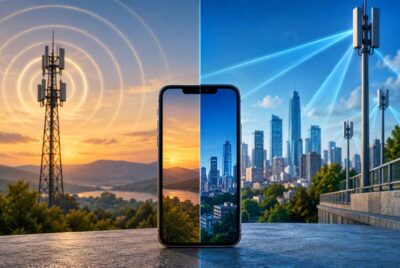
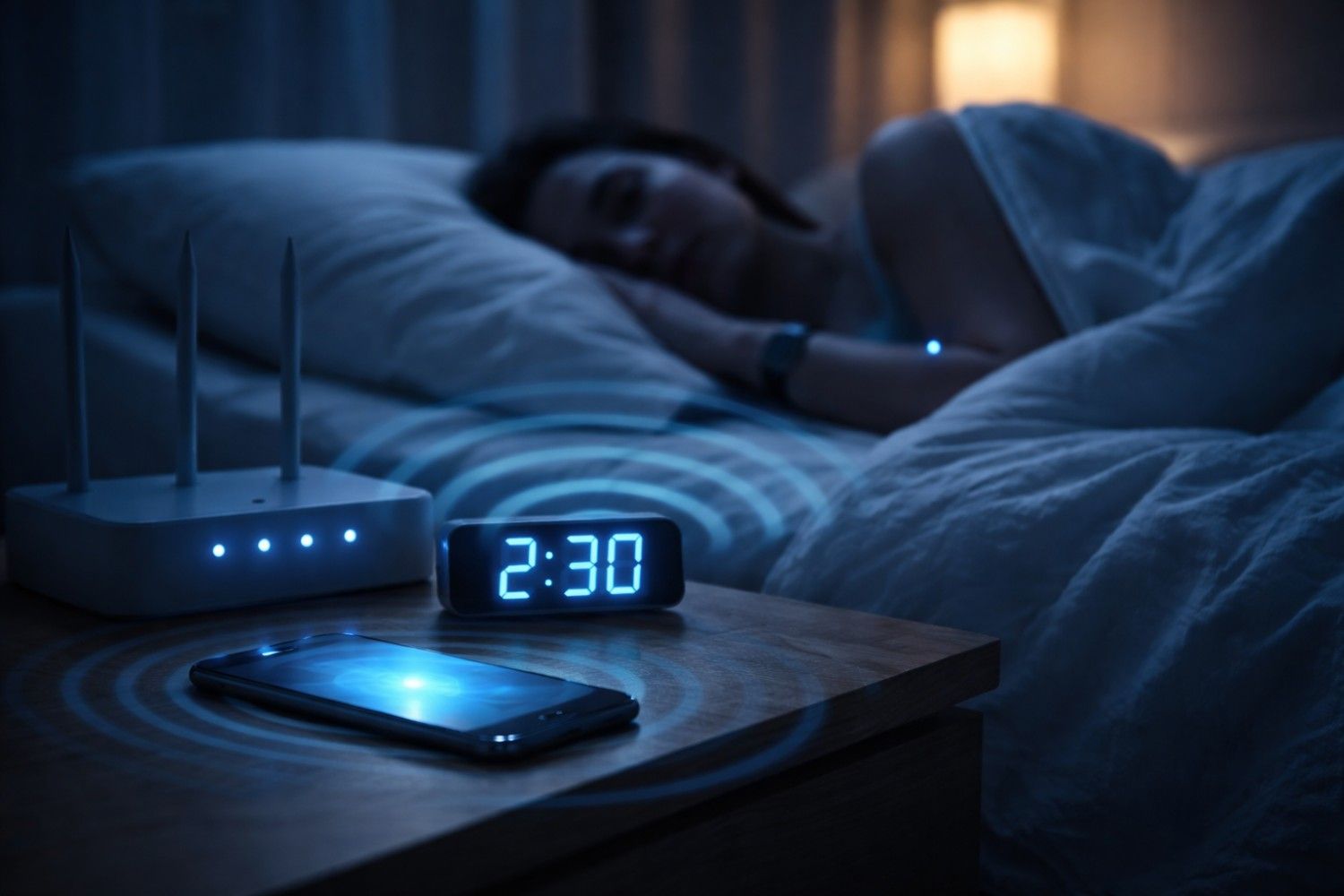
In recent years, researchers and consumers alike have begun asking an important question: does EMF radiation disrupt deep sleep or REM sleep? Modern homes are filled with electronic devices that emit electromagnetic fields (EMF), including smartphones, Wi-Fi routers, smart home devices, and wireless chargers. Because many of these devices remain active throughout the night, some people wonder whether constant low-level exposure could influence sleep quality.
While the scientific community continues to study this issue, some laboratory studies suggest electromagnetic signals may affect brainwave activity or sleep architecture. Other research has found minimal or inconsistent effects. This article explores what current research suggests about the relationship between EMF exposure and sleep cycles, explains how sleep stages work, and offers practical steps for creating a healthier sleep environment.
Understanding Sleep Cycles and Why Deep Sleep Matters
To understand whether electromagnetic exposure might influence sleep quality, it helps to first understand how sleep itself works. Human sleep is organized into cycles that repeat several times throughout the night. Each cycle typically lasts between 90 and 110 minutes and contains several distinct stages that reflect different levels of brain and body activity.
Sleep begins with lighter stages where the body gradually transitions from wakefulness to sleep. These early stages allow muscles to relax and breathing to slow. As sleep progresses, the brain enters deeper phases characterized by slower electrical activity and stronger physical recovery processes.
The stages of sleep generally include the following:
Stage 1 – Light Sleep
This is the transitional phase between wakefulness and sleep. Brain activity begins to slow, muscles relax, and awareness of surroundings decreases.
Stage 2 – Stabilized Sleep
In this stage, body temperature drops slightly, breathing becomes more regular, and the brain begins producing bursts of electrical activity called sleep spindles. These bursts help protect sleep and aid memory processing.
Stage 3 – Deep Sleep (Slow-Wave Sleep)
Deep sleep is often considered the most physically restorative stage. The body releases growth hormone, tissues repair themselves, and the immune system strengthens. The brain also clears metabolic waste products during this phase through a process called the glymphatic system.
REM Sleep (Rapid Eye Movement)
REM sleep is associated with dreaming, emotional regulation, and memory consolidation. During this stage the brain becomes highly active while the body remains temporarily paralyzed to prevent physical movement during dreams.
Deep sleep and REM sleep are especially important for health. When these stages are disrupted, people may wake feeling fatigued even after spending enough time in bed.
Common Sources of EMF Exposure in the Bedroom
Modern bedrooms often contain multiple devices that emit electromagnetic fields. These signals are typically low energy and considered safe by most regulatory agencies. Still, some individuals prefer to understand where exposure occurs so they can make informed decisions about their sleeping environment.
Wireless technology has expanded rapidly over the past two decades, which means that many devices near the bed communicate constantly with nearby networks or other electronics.
Several common sources of nighttime EMF exposure include:
Smartphones placed on bedside tables –Phones regularly transmit signals to maintain network connections, download updates, or communicate with nearby devices.
Wi-Fi routers located in bedrooms or nearby rooms – Routers transmit radiofrequency signals continuously to maintain internet connectivity.
Smart watches and wearable devices – Many wearables track sleep patterns but communicate with phones or Wi-Fi networks throughout the night.
Bluetooth headphones or speakers – Wireless audio devices also emit low-level radiofrequency signals while connected.
Wireless alarm clocks or charging stations – Some modern alarm clocks include wireless charging features that produce small electromagnetic fields.
Electrical wiring behind walls near the bed – Household wiring produces extremely low frequency electromagnetic fields whenever electricity flows through it.
Because people typically remain in the same position for many hours during sleep, these exposure sources may remain relatively close to the body throughout the night.
Does EMF Radiation Disrupt Deep Sleep or REM Sleep? What Research Suggests
Scientists have studied the relationship between electromagnetic exposure and sleep for several decades, particularly since the widespread adoption of mobile phones and wireless networks. The central question researchers often investigate is whether electromagnetic signals influence brainwave patterns during sleep.
Some sleep laboratory experiments have observed changes in electroencephalogram (EEG) readings when participants were exposed to radiofrequency signals similar to those produced by mobile phones. EEG monitoring measures electrical activity in the brain and allows researchers to detect subtle changes in sleep architecture.
In a few studies, researchers observed small changes in sleep spindle activity or alterations in slow-wave patterns during exposure conditions. These changes suggested that electromagnetic signals might influence certain neural processes involved in sleep regulation.
Other research has explored the relationship between EMF exposure and the timing of sleep stages. Some findings indicate that participants exposed to certain frequencies took slightly longer to reach deep sleep compared with control groups.
However, many studies have found minimal differences between exposed and non-exposed groups. The scientific literature therefore remains mixed, and many experts believe more long-term research is needed before firm conclusions can be drawn.
One additional factor researchers examine when exploring whether does EMF radiation disrupt deep sleep or REM sleep is melatonin production. Melatonin is a hormone produced by the pineal gland that signals the body to prepare for sleep. Some early studies suggested electromagnetic exposure might influence melatonin levels, though more recent studies have produced varied results.
Because sleep is influenced by many variables such as light exposure, stress levels, room temperature, and lifestyle habits, isolating the effect of electromagnetic signals alone can be challenging. For this reason, many researchers approach the topic cautiously while continuing to investigate potential mechanisms.
Possible Biological Mechanisms That Could Influence Sleep
When researchers explore environmental influences on sleep, they often examine how those influences interact with the nervous system and circadian rhythms. Several possible mechanisms have been proposed to explain how electromagnetic signals might influence sleep patterns.
One area of interest involves brain electrical activity. The brain itself operates through electrical impulses that pass between neurons. Some scientists hypothesize that external electromagnetic signals could subtly interact with these natural patterns under certain conditions.
Another possible mechanism involves circadian rhythm regulation. The circadian rhythm functions as the body’s internal clock and determines when we feel alert or sleepy. Environmental signals such as light exposure are known to influence this rhythm. Researchers have explored whether electromagnetic signals might also affect these timing mechanisms, though the evidence remains limited.
Melatonin regulation represents another area scientists have examined. Since melatonin plays a major role in initiating sleep, any environmental factor that influences this hormone could theoretically alter sleep patterns. Some earlier research suggested electromagnetic fields might influence melatonin secretion, although more recent research has not always confirmed this effect.
It is also important to consider individual differences. Some people report heightened sensitivity to electronic environments and claim they experience headaches, restlessness, or insomnia when surrounded by wireless devices. This condition is sometimes referred to as electromagnetic hypersensitivity, although scientific consensus on its causes remains unsettled.
Affiliate Advertisement

Signs That Environmental Factors May Be Affecting Sleep Quality
Sleep disturbances can occur for many reasons. Stress, caffeine consumption, irregular sleep schedules, blue light exposure, and medical conditions all influence sleep patterns. Environmental factors in the bedroom may also contribute to restless nights.
When evaluating sleep quality, it can be helpful to observe patterns over time. Certain signs may suggest that aspects of the sleeping environment deserve closer attention.
Some individuals report the following sleep issues when their environment contains numerous electronic devices:
- Difficulty falling asleep even when tired
- Frequent nighttime awakenings
- Feeling unrested after a full night in bed
- Morning headaches or grogginess
- Restless sleep or vivid dreaming
These symptoms do not necessarily mean electromagnetic exposure is responsible. Still, adjusting environmental factors is often a simple step people can take when improving sleep hygiene.
Practical Ways to Reduce Nighttime EMF Exposure
For people interested in minimizing potential electromagnetic exposure while sleeping, several practical adjustments can be made without drastically changing daily routines. Many of these steps align with general sleep hygiene practices that improve sleep quality overall.
A few commonly recommended strategies include:
Moving phones farther away from the bed – Keeping phones several feet away reduces direct exposure and also discourages late-night screen use.
Using airplane mode during sleep hours – Airplane mode disables wireless communication while still allowing the phone to function as an alarm clock.
Turning off Wi-Fi routers at night – Some households use outlet timers to automatically power down routers while sleeping.
Choosing wired accessories when possible – Wired headphones, keyboards, and internet connections reduce wireless transmissions.
Avoiding charging devices directly beside the pillow – Chargers produce small electromagnetic fields while operating.
Some consumers also explore shielding accessories designed to reduce exposure levels in specific situations. Examples include the DefenderShield EMF Protection Blanket and various shielding materials from Safe Living Technologies.
These products are intended to reduce or manage electromagnetic exposure, though effectiveness may depend on individual environments and device placement.
Affiliate Advertisement

Building a Low-EMF Sleep Environment
Creating a calm and restful bedroom environment often improves sleep regardless of whether electromagnetic exposure plays a role. Many sleep specialists recommend keeping bedrooms focused on rest rather than technology.
Simple adjustments can make a noticeable difference in sleep quality. For example, replacing wireless alarm clocks with battery-powered alternatives reduces electronic activity near the bed. Moving routers into another room or hallway can also reduce nighttime exposure while maintaining strong internet coverage throughout the home.
Another helpful practice involves limiting screen use before bedtime. Blue light emitted by phones and tablets is known to interfere with melatonin production, which can delay sleep onset. Reducing screen exposure in the evening often helps the body transition naturally toward sleep.
Bedroom layout can also influence restfulness. Keeping electronics organized and positioned farther from sleeping areas creates a quieter environment both electrically and psychologically.
Over time, these adjustments can help establish a more relaxing space that encourages deeper, uninterrupted sleep.
Conclusion
Sleep cycles play a crucial role in physical recovery, brain function, and emotional health. Deep sleep and REM sleep allow the body to repair tissues, process memories, and restore energy levels for the following day. Because modern homes contain many wireless devices, it is understandable that people ask whether environmental electromagnetic signals might influence sleep patterns.
Current research offers mixed findings. Some laboratory studies have observed subtle changes in brainwave activity during exposure conditions, while other studies report little measurable effect. As scientists continue studying the relationship between technology and sleep, the question of does EMF radiation disrupt deep sleep or REM sleep remains an active area of investigation.
For individuals who wish to take a precautionary approach, small changes such as moving devices away from the bed, disabling wireless signals at night, and creating a calm bedroom environment may help support better sleep. These steps align with broader sleep hygiene practices that benefit overall health.
Ultimately, improving sleep quality often involves a combination of factors, including reducing stress, maintaining consistent sleep schedules, limiting evening screen use, and optimizing the sleep environment.
Before You Go…
Get Weekly EMF Protection Tips
Enjoy this article? Join the EMFLuLu newsletter for simple weekly tips to reduce everyday EMF exposure from phones, WiFi routers, laptops, and smart home devices.
Try Our Free EMF Calculators
Curious how much EMF exposure you may experience each day?
These simple tools can help you estimate your exposure and identify possible problem areas in your home.
Try these free calculators:
Like this article? Pin it on Pinterest!

More to Explore